• Ceramic Media vs Plastic Media: How to Choose the Right Tumbling Media Apr 29 , 2026
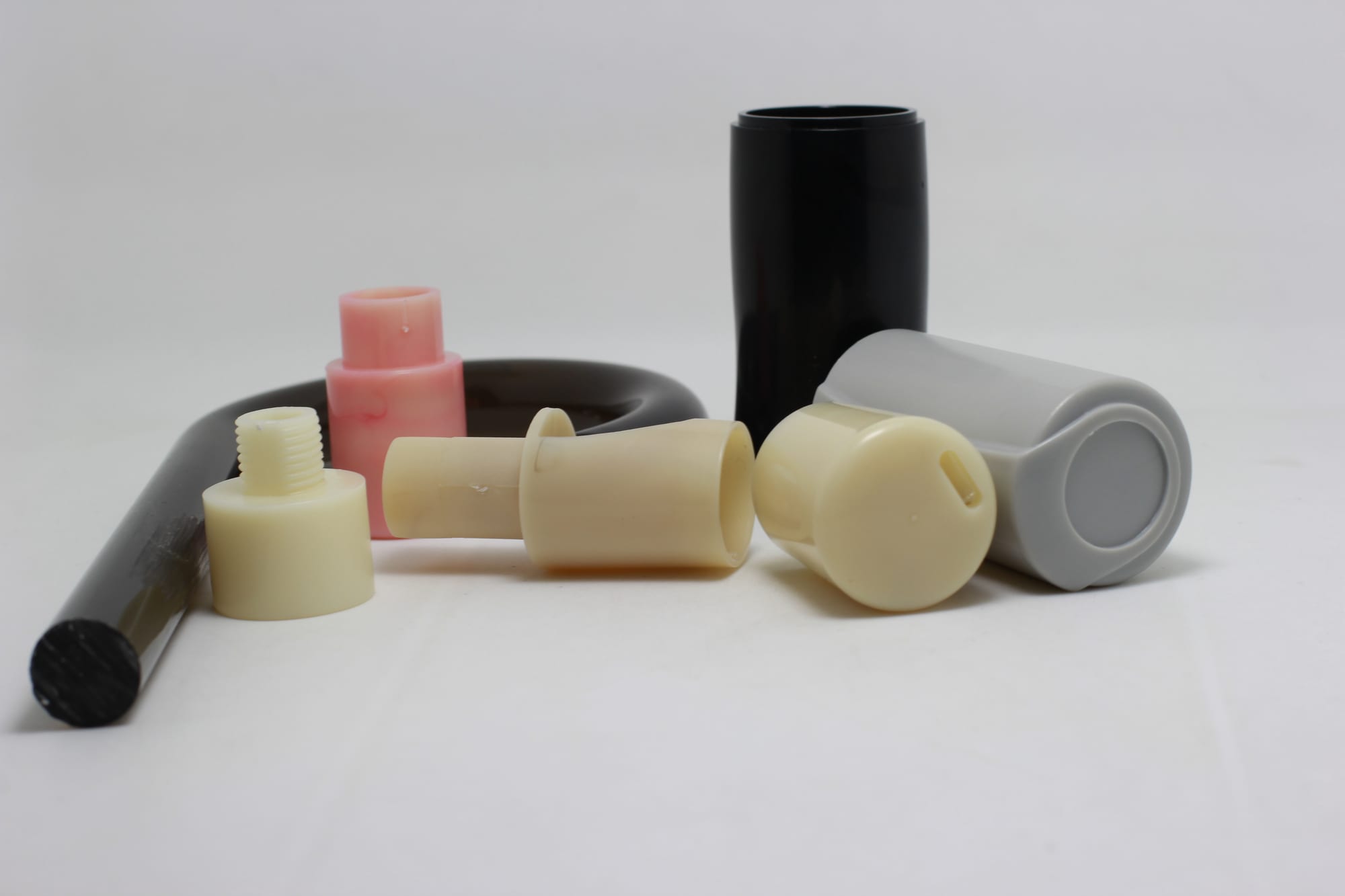
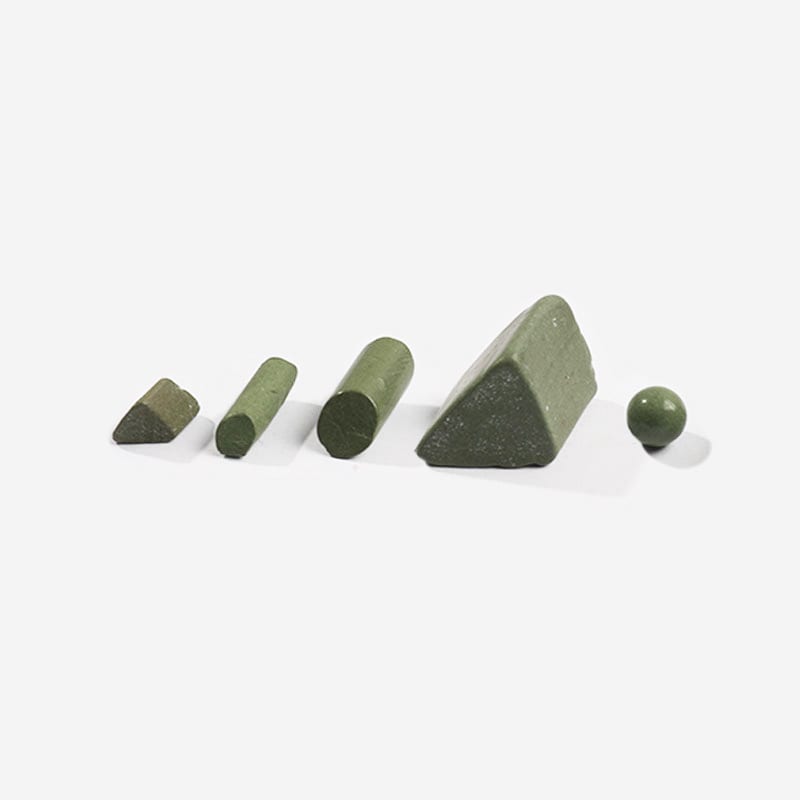
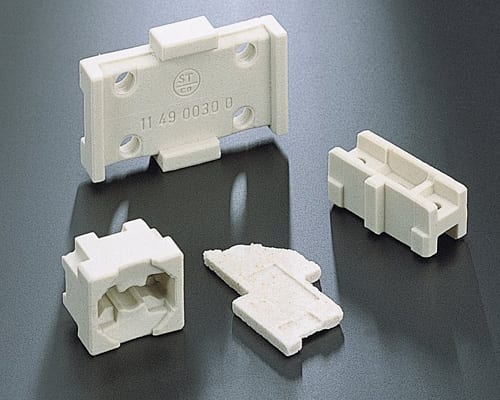
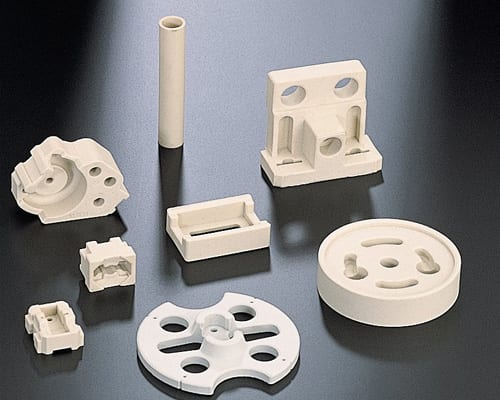
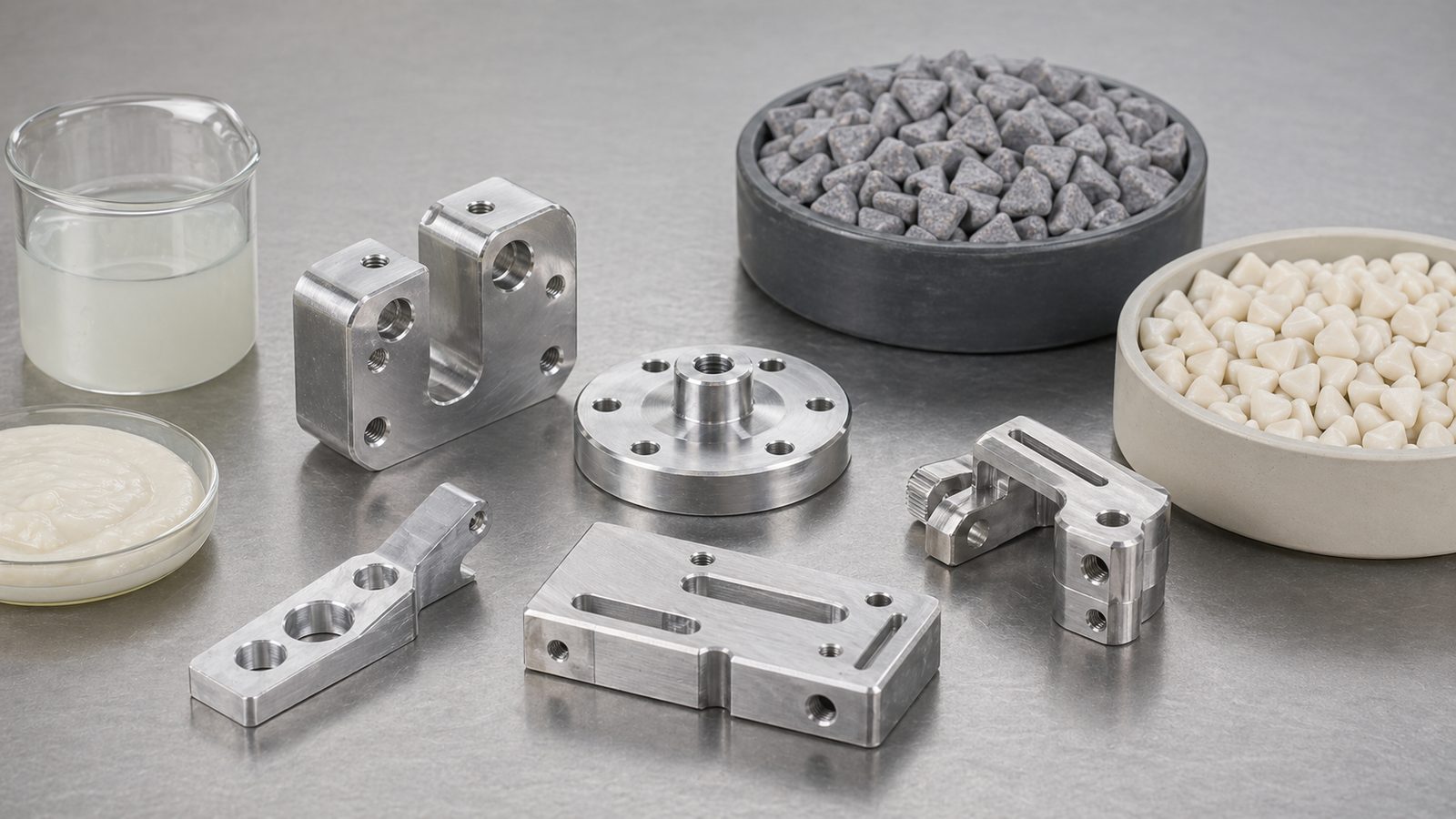
    Ceramic Media vs Plastic Media: How to Choose the Right Tumbling Media Choosing between ceramic media and plastic media is one of the most important decisions in a mass finishing process. The right media can remove burrs, smooth edges, improve surface consistency, and reduce manual work. The wrong media can damage parts, leave poor finishes, lodge in holes, or make cycle time unnecessarily long. This guide explains how ceramic and plastic tumbling media behave differently, where each type works best, and how to choose the right option for your material, burr condition, part geometry, and target finish. Quick answer: Ceramic media is usually better for stronger cutting, deburring, and edge breaking. Plastic media is usually better for softer metals, delicate parts, pre-polishing, and reducing part-on-part damage. The final choice should also consider media shape, media size, part holes, surface target, and sample testing results. What Is Ceramic Media? Ceramic media is a dense tumbling media made with abrasive materials bonded into different shapes, such as triangles, cylinders, angle cuts, cones, and balls. Because it is harder and heavier than plastic media, it usually provides stronger cutting action. Ceramic media is often used when parts need burr removal, edge radiusing, oxide removal, scale removal, or general surface smoothing before further polishing, coating, plating, or assembly. Common ceramic media advantages Good cutting strength for medium to heavy burrs. Long service life compared with many softer media types. Suitable for steel, stainless steel, iron, copper, brass, and many cast parts. Available in many shapes and sizes for different part geometries. Works well in many vibratory finishing machine applications. What Is Plastic Media? Plastic media is lighter than ceramic media and is commonly used for softer metals or parts that need a gentler finishing action. It is often selected for aluminum, zinc alloy, brass, magnesium alloy, and die-cast components where aggressive media may cause dents, peening, or excessive edge rounding. Plastic media is also useful when the goal is to create a smoother pre-polish surface instead of only removing heavy burrs. Common plastic media advantages Gentler action on soft metals and decorative parts. Lower risk of part-on-part damage compared with heavier media. Good for aluminum die castings, zinc alloy parts, and precision machined parts. Useful for pre-polishing and surface smoothing before final finishing. Available in cone, pyramid, wedge, and other shapes for complex surfaces. Ceramic media normally provides stronger cutting, while plastic media is often used for softer materials and more controlled surface finishing. Ceramic Media vs Plastic Media Comparison Factor Ceramic Media Plastic Media Cutting strength Medium to strong cutting action Light to medium cutting action Media weight Heavier, more impact force Lighter, gentler on parts Best for Steel, stainless steel, iron, harder alloys, cast parts Aluminum, zinc alloy, brass, magnesium alloy, softer metals Typical purpose Deburring, edge breaking, scale removal, surface smoothing Pre-polishing, light deburring, surface refinement, damage reduction Risk May be too aggressive for delicate or soft parts May be too slow for heavy burrs or hard materials Surface result More cutting marks if aggressive grades are used Smoother, more controlled surface before polishing How to Choose the Right Media A good media choice starts with the part, not with the media catalog. Before selecting a media type, check the material, part size, burr size, surface target, hole dimensions, slot width, and whether the part can tolerate impact. Choose ceramic media when... The burr is medium or heavy. The material is harder or more wear-resistant. You need edge breaking before coating or assembly. Cycle time must be efficient for batch production. Choose plastic media when... The part is aluminum, zinc alloy, or another softer metal. The surface must avoid dents or heavy impact marks. You need light deburring or pre-polishing. The part has decorative or visible surfaces. Do Not Ignore Media Shape and Size Media material is only one part of the decision. Shape and size can be just as important. A good media should reach the surface that needs finishing, but it should not lodge inside holes, threads, slots, or blind cavities. For parts with complex geometry, test different shapes before mass production. Triangle media may work well for corners and flat surfaces, while cone or pyramid media may reach different edges. Rounder shapes may reduce lodging risk in some parts, but may not cut as efficiently in narrow areas. Machine and Compound Also Affect the Result The same media can behave differently in different machines. A standard vibratory bowl, tub vibrator, barrel finishing machine, or centrifugal finishing system can all create different contact patterns between parts and media. Finishing compounds also matter. They help clean the surface, control foam, improve lubrication, suspend removed particles, and stabilize the finishing process. If compound concentration or water flow is wrong, even the correct media may produce unstable results. Common Selection Mistakes Choosing ceramic media only because it cuts faster, even when the part is soft or easily damaged. Choosing plastic media for heavy burrs that actually require stronger cutting action. Ignoring holes, slots, threads, and internal cavities before choosing media size. Using one media type for every material and every part shape. Judging the process only by surface appearance without checking cycle time, lodging, separation, and manual rework. Recommended Testing Method For a new part, sample testing should compare at least two or three media options. The test should measure burr removal, edge condition, surface uniformity, part damage, media lodging, separation efficiency, and total cycle time. A typical starting range may include different media materials, shapes, and sizes. Final settings should be tested with sample parts because small changes in part geometry can completely change the result. Related Solutions If you are comparing media for a real production project, these pages can help you review equipment and consumables: Ceramic Media Plastic Media Grinding Media Vibratory Finishing Machine Finishing Applications Need Help Choosing Tumbling Media? Send us your part material, size, burr condition, current surface, target finish, and production quantity. JINTAIJIN can help recommend suitable ceramic media, plastic media, compounds, and a sample testing process for your parts. Contact our finishing team for media selection support .jtj-article { max-width: 980px; margin: 0 auto; color: #1f2933; font-family: Arial, Helvetica, sans-serif; font-size: 16px; line-height: 1.72; } .jtj-article * { box-sizing: border-box; } .jtj-article h1, .jtj-article h2, .jtj-article h3 { color: #12212f; line-height: 1.28; margin: 0 0 14px; } .jtj-article h1 { font-size: 34px; margin-bottom: 18px; } .jtj-article h2 { font-size: 24px; margin-top: 36px; } .jtj-article h3 { font-size: 19px; margin-top: 24px; } .jtj-article p { margin: 0 0 16px; } .jtj-article a { color: #0b6fb3; text-decoration: underline; text-underline-offset: 3px; } .jtj-article .jtj-lead { font-size: 18px; color: #344454; margin-bottom: 22px; } .jtj-article .jtj-hero, .jtj-article .jtj-image { margin: 24px 0 28px; } .jtj-article img { width: 100%; height: auto; display: block; border-radius: 6px; } .jtj-article figcaption { color: #607080; font-size: 14px; margin-top: 8px; } .jtj-article .jtj-note, .jtj-article .jtj-cta { border-left: 4px solid #0b6fb3; background: #f2f7fb; padding: 18px 20px; margin: 24px 0; border-radius: 0 6px 6px 0; } .jtj-article .jtj-cta { background: #eef7f2; border-left-color: #25824b; } .jtj-article ul { padding-left: 22px; margin: 0 0 18px; } .jtj-article li { margin-bottom: 8px; } .jtj-article .jtj-grid { display: grid; grid-template-columns: repeat(2, minmax(0, 1fr)); gap: 16px; margin: 22px 0; } .jtj-article .jtj-card { border: 1px solid #d8e0e8; border-radius: 6px; padding: 18px; background: #fff; } .jtj-article .jtj-table-wrap { overflow-x: auto; margin: 22px 0; border: 1px solid #d8e0e8; border-radius: 6px; } .jtj-article table { width: 100%; min-width: 760px; border-collapse: collapse; background: #fff; } .jtj-article th, .jtj-article td { padding: 12px 14px; border-bottom: 1px solid #e5ebf0; text-align: left; vertical-align: top; } .jtj-article th { background: #f5f8fa; color: #12212f; font-weight: 700; } .jtj-article .jtj-related { display: flex; flex-wrap: wrap; gap: 10px; margin: 18px 0 4px; } .jtj-article .jtj-related a { display: inline-block; border: 1px solid #c9d7e3; border-radius: 999px; padding: 8px 12px; text-decoration: none; background: #fff; color: #164d76; } @media (max-width: 768px) { .jtj-article { font-size: 15px; line-height: 1.68; } .jtj-article h1 { font-size: 27px; } .jtj-article h2 { font-size: 21px; } .jtj-article .jtj-lead { font-size: 16px; } .jtj-article .jtj-grid { grid-template-columns: 1fr; } .jtj-article .jtj-note, .jtj-article .jtj-cta, .jtj-article .jtj-card { padding: 15px; } }
  • How to Prevent Tumbling Media from Lodging in Holes, Slots, and Threads
    How to Prevent Tumbling Media from Lodging in Holes, Slots, and Threads Apr 29 , 2026
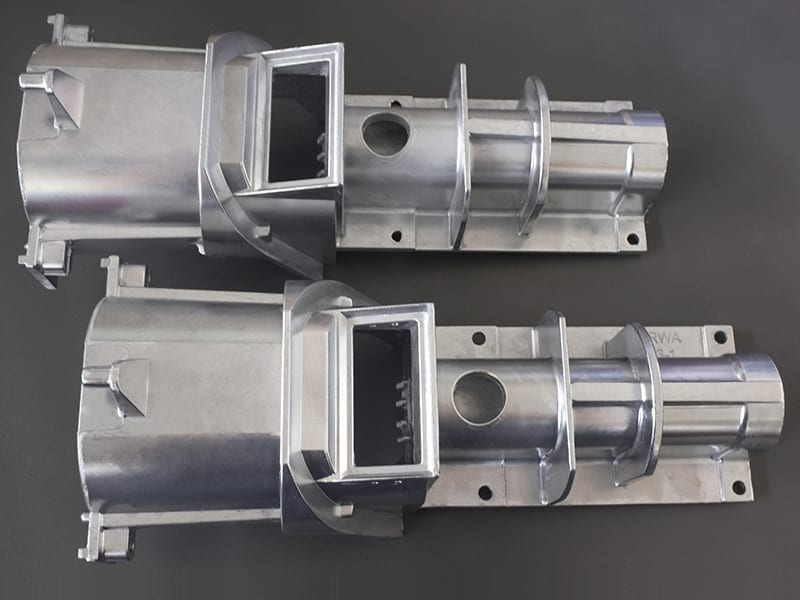
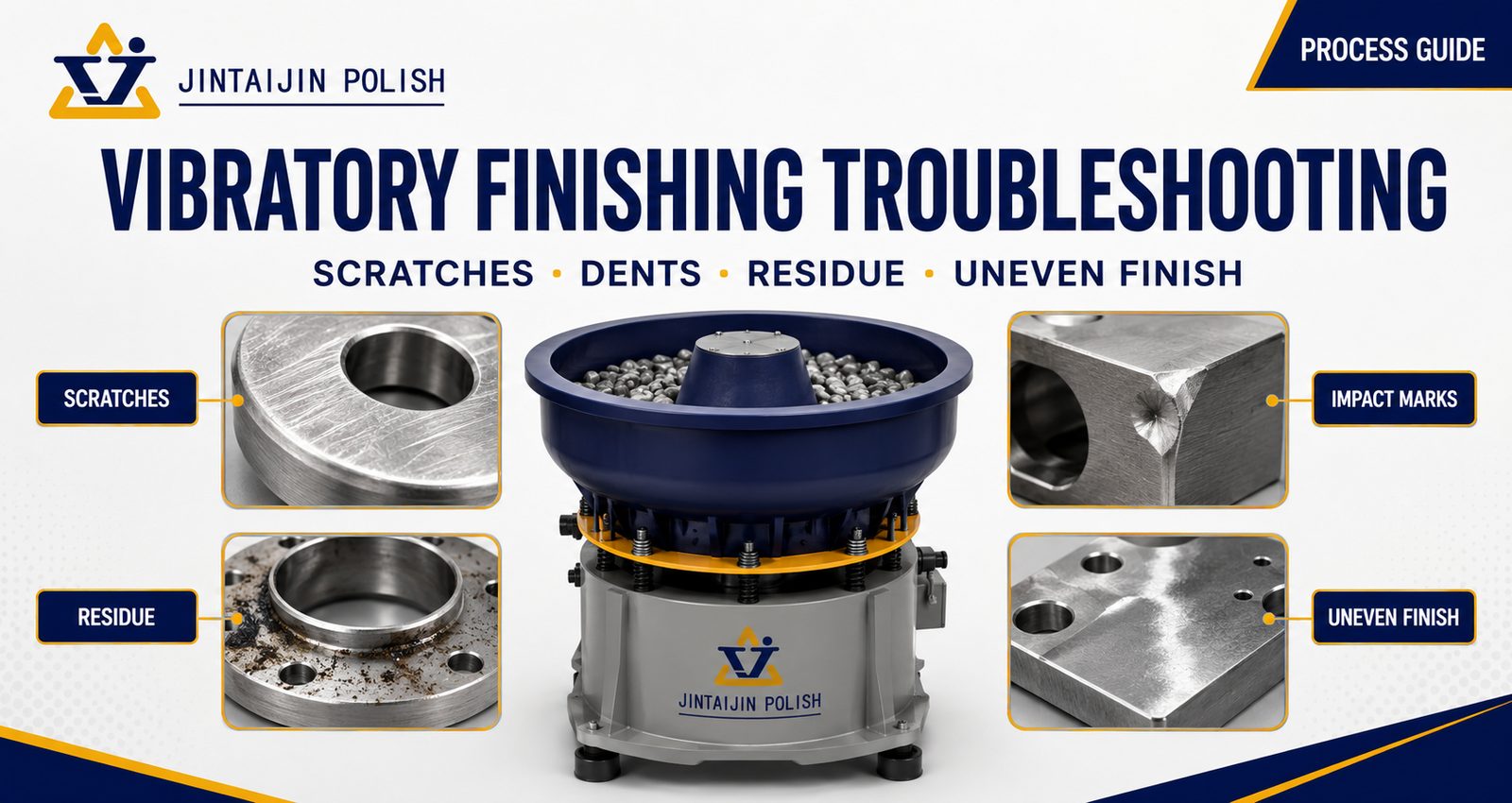
    How to Prevent Tumbling Media from Lodging in Holes, Slots, and Threads Media lodging is one of the most common problems in mass finishing. When ceramic, plastic, or steel media gets stuck inside holes, slots, grooves, threads, or blind cavities, it slows production, increases manual cleaning work, and may even damage finished parts. The good news is that most lodging problems can be reduced before production starts. The key is to match the part geometry with the right machine motion, media shape, media size, compound, separation method, and process time. This guide explains how to diagnose the cause and build a more reliable finishing process. Quick answer: If media is lodging in your parts, first check whether the media size is close to the hole, slot, or thread dimension. Then review media shape, machine type, water flow, compound lubrication, and unloading method. For complex parts, sample testing is usually the safest way to confirm the process before mass production. Why Media Gets Stuck in Parts Media lodging usually happens when the media can enter a feature but cannot escape easily during the finishing cycle. This is common on CNC parts, die castings, machined aluminum parts, stainless steel components, zinc alloy parts, and small precision hardware. Geometry mismatch If the media size is too close to the hole, slot, groove, or thread pitch, it can wedge into the part during vibration or tumbling. Wrong media shape Triangles, cones, cylinders, balls, and angle-cut media behave differently. A shape that works well on open surfaces may lodge inside blind holes. Excessive cutting action Stronger cutting media can push into edges and recesses more aggressively, especially when the part has sharp transitions or deep pockets. Poor separation Even if media does not lodge during processing, it may remain inside cavities if the unloading, rinsing, or screening step is not designed well. Start with Part Geometry, Not the Machine Before choosing a vibratory finishing machine or any other mass finishing equipment, inspect the part features that may trap media. The most important dimensions are hole diameter, slot width, groove depth, thread size, blind cavity depth, and the direction of openings. A simple rule is to avoid media that can enter a feature and rotate into a locked position. For example, a media piece that is slightly smaller than a hole may enter easily but become difficult to remove after vibration, especially if the hole is deep or threaded. Media Selection Guide for Lodging Prevention Part Feature Common Risk Better Media Choice Process Note Small through holes Media enters and blocks the hole Use media larger than the hole, or much smaller if it can pass through freely Avoid media size close to the hole diameter Blind holes Media enters but cannot exit Consider rounded or non-wedging shapes Rinsing and air blow-off may be required after finishing Narrow slots Angle-cut media wedges into the slot Use rounder shapes or adjust media size Check slot width and depth before production Threads Media locks into thread pitch Use smaller smooth media or avoid aggressive angular shapes Protect critical threads when tight tolerance is required Complex die castings Media remains in ribs, pockets, or cavities Test plastic media or selected ceramic shapes Design separation into the process, not as an afterthought Ceramic Media or Plastic Media? Ceramic media is often used for stronger deburring, edge breaking, and surface smoothing. It is durable and effective, but some shapes may lodge in holes or slots if the size is not selected carefully. Plastic media is usually lighter and more suitable for softer metals, aluminum parts, zinc alloy die castings, and parts where surface impact must be reduced. For parts with delicate edges or decorative surfaces, plastic media can reduce part-on-part damage and help create a more controlled finish. The best choice depends on the material, burr size, target surface, and part geometry. For parts with many holes and recesses, media shape and size are often more important than simply choosing ceramic or plastic. Machine Motion Also Matters Different machines move parts and media in different ways. A standard vibratory bowl is efficient for many batches, while tub vibrators are often used for longer or larger components. Barrel finishing machines can be useful for gentler rolling action, while centrifugal systems may shorten cycle time for suitable parts. If lodging happens repeatedly, do not only change media. Review the complete process: machine loading ratio, water level, compound concentration, part-to-media ratio, cycle time, and separation method. Use Compound and Water Flow Correctly Finishing compounds help clean the surface, control foam, suspend removed particles, and improve media movement. Poor lubrication can increase friction and make media more likely to wedge into part features. In wet finishing, water and compound should support smooth rolling action. Too little liquid may make the mass too dry and aggressive. Too much liquid may reduce finishing efficiency and affect media movement. The correct range depends on the machine, media, and part load, so sample testing is recommended before production. Common Mistakes to Avoid Choosing media only by cutting strength without checking hole and slot dimensions. Using one media shape for every part in the factory. Running longer cycle times to solve a problem that is actually caused by wrong media size. Ignoring unloading and separation until after the process is already fixed. Using aggressive media on delicate threaded or precision-machined parts without testing. Forgetting to check whether media can be removed by rinsing, screening, air blow-off, or manual inspection. Recommended Testing Process For parts with holes, slots, threads, or internal cavities, the safest approach is to test several media options before confirming mass production. A practical test should compare finishing result, burr removal, surface roughness, lodging rate, separation efficiency, and total cycle time. Testing tip: Do not judge the process only by how the outer surface looks. After testing, inspect every hole, slot, thread, and blind cavity. A process that gives a good surface but requires heavy manual media removal is usually not stable enough for batch production. Related Solutions If you are building or improving a mass finishing process, these pages may help you compare suitable equipment and consumables: Vibratory Finishing Machine Ceramic Media Plastic Media Finishing Compounds Finishing Applications Need Help Choosing Media for Complex Parts? If your parts have holes, slots, grooves, threads, or blind cavities, send us the part material, dimensions, current surface condition, burr condition, and target finish. Our finishing team can help recommend a suitable machine, media shape, compound, and sample testing process. Contact JINTAIJIN to discuss your finishing process .jtj-article { color: #1f2933; font-family: Arial, Helvetica, sans-serif; line-height: 1.72; font-size: 16px; max-width: 980px; margin: 0 auto; } .jtj-article * { box-sizing: border-box; } .jtj-article h1, .jtj-article h2, .jtj-article h3 { color: #12212f; line-height: 1.28; margin: 0 0 14px; } .jtj-article h1 { font-size: 34px; margin-bottom: 18px; } .jtj-article h2 { font-size: 24px; margin-top: 36px; } .jtj-article h3 { font-size: 19px; margin-top: 24px; } .jtj-article p { margin: 0 0 16px; } .jtj-article a { color: #0b6fb3; text-decoration: underline; text-underline-offset: 3px; } .jtj-article .jtj-lead { font-size: 18px; color: #344454; margin-bottom: 22px; } .jtj-article .jtj-hero { margin: 24px 0 28px; } .jtj-article .jtj-hero img { width: 100%; height: auto; border-radius: 6px; display: block; } .jtj-article .jtj-note, .jtj-article .jtj-cta { border-left: 4px solid #0b6fb3; background: #f2f7fb; padding: 18px 20px; margin: 24px 0; border-radius: 0 6px 6px 0; } .jtj-article .jtj-cta { background: #eef7f2; border-left-color: #25824b; } .jtj-article ul { padding-left: 22px; margin: 0 0 18px; } .jtj-article li { margin-bottom: 8px; } .jtj-article .jtj-grid { display: grid; grid-template-columns: repeat(2, minmax(0, 1fr)); gap: 16px; margin: 22px 0; } .jtj-article .jtj-card { border: 1px solid #d8e0e8; border-radius: 6px; padding: 18px; background: #fff; } .jtj-article .jtj-table-wrap { overflow-x: auto; margin: 22px 0; border: 1px solid #d8e0e8; border-radius: 6px; } .jtj-article table { width: 100%; border-collapse: collapse; min-width: 720px; background: #fff; } .jtj-article th, .jtj-article td { padding: 12px 14px; border-bottom: 1px solid #e5ebf0; text-align: left; vertical-align: top; } .jtj-article th { background: #f5f8fa; color: #12212f; font-weight: 700; } .jtj-article .jtj-related { display: flex; flex-wrap: wrap; gap: 10px; margin: 18px 0 4px; } .jtj-article .jtj-related a { display: inline-block; border: 1px solid #c9d7e3; border-radius: 999px; padding: 8px 12px; text-decoration: none; background: #fff; color: #164d76; } @media (max-width: 768px) { .jtj-article { font-size: 15px; line-height: 1.68; } .jtj-article h1 { font-size: 27px; } .jtj-article h2 { font-size: 21px; } .jtj-article .jtj-lead { font-size: 16px; } .jtj-article .jtj-grid { grid-template-columns: 1fr; } .jtj-article .jtj-note, .jtj-article .jtj-cta, .jtj-article .jtj-card { padding: 15px; } }
  • Copper Alloy Bathroom Fixture Polishing: Tumbling Finishing Machine Achieves Mirror Finish
    Copper Alloy Bathroom Fixture Polishing: Tumbling Finishing Machine Achieves Mirror Finish Sep 04 , 2025
    Copper Alloy Bathroom Fixture Polishing: Tumbling Finishing Machine Achieves Mirror Finish In the world of high-end design, the appeal of copper alloy bathroom fixtures is undeniable. Their warmth and elegance can elevate any space, but achieving a flawless, durable mirror polishing finish is a significant manufacturing challenge. This article explores how our advanced machinery provides the perfect solution: Copper Alloy Bathroom Fixture Polishing: Tumbling Finishing Machine Achieves Mirror Finish. The Challenge: Flawless Surfaces on Complex Shapes Bathroom fixtures like faucets, handles, and showerheads have intricate designs with curves and hard-to-reach areas. Traditional hand polishing is labor-intensive, costly, and often results in inconsistent finishes. The goal is to achieve a uniform, high-gloss luster across the entire surface—a task perfectly suited for automated mass finishing solutions. The Solution: High-Efficiency Vibratory Finishing The key to pristine copper alloy polishing lies in automated, precision-controlled processes. Our Tumbling Finishing Machine offers a superior method for deburring, smoothing, and polishing large batches of parts simultaneously. This vibratory finishing process ensures that every angle and contour of a fixture receives uniform treatment, resulting in a consistent, high-quality mirror finish that manual methods cannot replicate. The Three-Stage Process to Perfection Achieving a mirror finish is a multi-step process that relies on the careful selection of equipment and materials. Stage 1: Deburring & Surface Preparation: The initial step uses a coarser-grade media to remove any burrs, parting lines, or surface imperfections from the raw copper alloy parts, creating a smooth, uniform foundation. Stage 2: Smoothing with Abrasives: Next, a finer abrasive medium is introduced. This stage smooths the surface further, removing the microscopic scratches left from the first stage and preparing it for the final polish. The choice of abrasive materials is critical for achieving optimal results. Stage 3: Mirror Polishing: The final stage uses a specialized polishing compound along with soft, non-abrasive media. This combination buffs the copper alloy surface to a brilliant, reflective mirror shine. We have documented remarkable transformations using this method. For a detailed look at the results, view our bathroom fixture polishing case studies. Adhering to Industry Standards Producing a quality finish goes beyond aesthetics; it involves durability and performance. Meeting industry benchmarks is crucial for ensuring longevity and corrosion resistance. For more information on the technical requirements, we recommend reviewing the Technical Specifications for Bathroom Metal Polishing to understand the standards that govern superior metal finishes. Ready to Achieve a Perfect Mirror Finish? Elevate the quality and efficiency of your production line. Explore our state-of-the-art tumbling finishing machines today. Discover Our Machines document.addEventListener("DOMContentLoaded", function() { const images = document.querySelectorAll('.article-image'); const observerOptions = { root: null, rootMargin: '0px', threshold: 0.1 }; const observer = new IntersectionObserver((entries, observer) => { entries.forEach(entry => { if (entry.isIntersecting) { entry.target.classList.add('fade-in'); observer.unobserve(entry.target); } }); }, observerOptions); images.forEach(image => { observer.observe(image); }); }); ``` /* ----- Basic Styling & Fonts ----- */ @import url('https://fonts.googleapis.com/css2?family=Montserrat:wght@400;600;700&family=Roboto:wght@400;500&display=swap'); .polish-article-container { font-family: 'Roboto', sans-serif; color: #333; line-height: 1.8; background-color: #fff; max-width: 900px; margin: 40px auto; padding: 40px; border-radius: 8px; box-shadow: 0 6px 20px rgba(0, 0, 0, 0.08); } /* ----- Typography & Headings ----- */ .polish-article-container h1, .polish-article-container h2, .polish-article-container h3 { font-family: 'Montserrat', sans-serif; font-weight: 700; color: #1A3A5D; /* Deep Blue */ margin-bottom: 20px; text-align: center; } .polish-article-container h1 { font-size: 2.6em; margin-bottom: 25px; } .polish-article-container h2 { font-size: 2em; border-bottom: 3px solid #D4A056; /* Gold accent */ padding-bottom: 10px; margin-top: 50px; } .polish-article-container h3 { font-size: 1.5em; color: #2c3e50; text-align: left; } /* ----- Links & Content Styling ----- */ .polish-article-container p { margin-bottom: 25px; font-size: 1.1em; } .polish-article-container a { color: #D4A056; /* Gold */ text-decoration: none; font-weight: 600; transition: color 0.3s ease, border-bottom 0.3s ease; border-bottom: 1px dotted #D4A056; } .polish-article-container a:hover { color: #1A3A5D; /* Deep Blue */ border-bottom: 1px solid #1A3A5D; } /* ----- Image Styling ----- */ .article-image { width: 100%; height: auto; border-radius: 8px; margin: 20px 0 30px 0; box-shadow: 0 4px 12px rgba(0,0,0,0.1); opacity: 0; transform: scale(0.95); transition: opacity 0.8s ease-out, transform 0.8s ease-out; } .article-image.fade-in { opacity: 1; transform: scale(1); } /* ----- Call to Action (CTA) Styling ----- */ .cta-section { background-color: #f4f7f9; border: 2px solid #e1e8ed; border-radius: 8px; padding: 35px; text-align: center; margin-top: 50px; } .cta-section h3 { text-align: center; margin-bottom: 20px; } .cta-button { display: inline-block; background-color: #D4A056; /* Gold */ color: #fff; padding: 15px 35px; border-radius: 5px; font-size: 1.1em; font-weight: 700; text-transform: uppercase; letter-spacing: 1px; border-bottom: none; transition: background-color 0.3s ease, transform 0.3s ease; } .cta-button:hover { background-color: #BF904C; color: #fff; transform: translateY(-3px); } /* ----- List Styling ----- */ .styled-list { list-style-type: none; padding-left: 0; } .styled-list li { position: relative; padding-left: 30px; margin-bottom: 15px; font-size: 1.1em; } .styled-list li:before { content: '✓'; position: absolute; left: 0; top: 0; color: #D4A056; /* Gold */ font-weight: bold; font-size: 1.2em; }
  • Titanium Aerospace Polishing: Centrifugal Disc Finishing for High-Strength Metals Aug 22 , 2025
    Why centrifugal disc finishing for titanium aerospace parts? Centrifugal disc systems deliver very high relative velocities between media and parts, enabling efficient deburring, edge radiusing, fine grinding, and pre-polishing while maintaining geometry—ideal for flight-critical components where dimensional control and surface integrity matter. LSI highlights: isotropic finishing • controlled edge break • Ra surface roughness • burr removal • burnishing • compound dosing • non-ferrous contamination control. Looking for real aerospace use cases? See our Aerospace solutions page for industry context and machine/media pairing ideas. Media & chemistry: what works for Ti-6Al-4V and friends Media selection Fine ceramic media for controlled cut and uniform Ra progression (pre-polish / light deburr). Plastic (resin-bond) media where a softer, lower-impact cut is needed to protect thin-wall parts. Dedicated, titanium-only media sets to avoid cross-contamination from ferrous work. Browse our media pages: Ceramic Media · Plastic Finishing Media (example). ceramic mediaplastic mediaedge radiusing Compound & water Use neutral or mildly alkaline finishing compounds formulated for titanium. Prefer deionized water for consistent chemistry; refresh frequently. Rinse thoroughly; follow with approved cleaning/descaling where specified (see standards below). LSI: passivation prep • emulsion control • corrosion resistance • cleanliness for NDT. Baseline process window (tune to your print) Pre-prep: Ensure parts are free of heavy scale; remove machining burrs that could break off as FOD. Load & gap: Set proper disc–ring gap per machine manual for your media size; avoid trapping thin features. Stage 1 (cut): Fine ceramic media + compound, moderate speed. Goal: uniform deburr and edge break. Stage 2 (refine): Plastic or fine ceramic to bring Ra toward spec (per drawing / ASME B46.1). Rinse & clean: Thorough wash; if required, apply ASTM B600 compliant clean/descale before inspection or downstream finishing. Inspect: Surface roughness (Ra/Rz), edges, and cleanliness; document lot parameters for repeatability. Keep a run log: media lot/shape, compound %, machine RPM, disc gap, load %, time, and resulting Ra. Quality & risk controls for aerospace titanium Do this Use titanium-dedicated media/liners; segregate from ferrous jobs. Verify surface texture to drawing (Ra/Rz per ASME B46.1). Follow approved clean/descale practices for titanium (see ASTM B600 link below). Avoid this Over-aggressive media that erodes critical radii or wall thickness. Reusing “dirty” media across alloys—risk of foreign metal pickup. Skipping neutralization/rinse—residual chemistry can affect NDT or coatings. Aerospace materials & polishing related standards (for reference) ASTM B600 – Guide for Descaling and Cleaning Titanium and Titanium Alloy Surfaces ASME B46.1 – Surface Texture (Roughness, Waviness, and Lay) SAE AMS 2488 – Anodic Treatment of Titanium and Titanium Alloys These references are commonly paired with mechanical finishing to define roughness targets, cleanliness, and downstream treatment compatibility. Applications & cases Typical parts: compressor hardware, brackets, housings, hinges, seat track hardware, fasteners, UAV components. Outcomes: consistent edge break, improved tribology for mating surfaces, and spec-compliant surface texture ready for inspection, coating, or anodize. Explore our aerospace solutions for machine sizing and media pairings. Ready to validate a titanium finishing recipe? Send us sample parts—our team will run a free sample finishing and return results with a documented process window (machine, media, compound, cycle time). Request Free Sample Finishing View Disc Machines Choose Media Need non-Ti parts done too? We can separate media sets by alloy family to maintain cleanliness. Quick Q&A What Ra can centrifugal disc finishing achieve on titanium? It depends on incoming condition, media sequence, and compound control. Use B46.1 methods to measure and tune your sequence (e.g., fine ceramic → plastic → light burnish) to the drawing’s target. Do I need a zero-gap machine? Zero-gap is helpful for very fine media/small parts to prevent lodging. Our disc lineup includes adjustable-gap and zero-gap models—see the category page for options. How to avoid contamination? Dedicate media and bowls to titanium work, refresh solutions frequently, and follow ASTM B600 cleaning before inspection or downstream processing. Keywords: titanium polishing, aerospace parts, centrifugal disc finishing. LSI: isotropic finishing, edge radiusing, deburring, burnishing, Ra surface roughness, Ti-6Al-4V, non-ferrous media, neutral compound, descaling, passivation-ready finish. // Smooth anchor scroll (no floating/sticky components) document.querySelectorAll('#sp-ti-disc a[href^="#"]').forEach(a=>{ a.addEventListener('click', e=>{ const id = a.getAttribute('href'); const el = document.querySelector(id); if(el){ e.preventDefault(); el.scrollIntoView({behavior:'smooth', block:'start'}); } }); }); #sp-ti-disc{ --ink:#0f172a;--muted:#64748b;--accent:#0ea5e9;--bg:#ffffff;--soft:#f8fafc; font-family: Inter,-apple-system,BlinkMacSystemFont,"Segoe UI",Roboto,Arial,"PingFang SC","Microsoft YaHei",sans-serif; color:var(--ink);background:var(--bg);line-height:1.65; } #sp-ti-disc .wrap{max-width:1024px;margin:0 auto;padding:28px 16px} #sp-ti-disc .grid{display:grid;grid-template-columns:1fr 1fr;gap:16px;margin-top:16px} #sp-ti-disc figure img{width:100%;border-radius:8px;border:1px solid #e5e7eb} #sp-ti-disc figure figcaption{font-size:12px;color:var(--muted);margin-top:4px} #sp-ti-disc h2{font-size:24px;margin:26px 0 8px} #sp-ti-disc h3{font-size:18px;margin:16px 0 6px} #sp-ti-disc .card{border:1px solid #e5e7eb;border-radius:12px;padding:14px;background:#fff} #sp-ti-disc .note{background:var(--soft);border-left:4px solid var(--accent);padding:12px;border-radius:10px;margin:14px 0} #sp-ti-disc ul{padding-left:18px} #sp-ti-disc .pill{display:inline-block;padding:5px 10px;background:#ecfeff;border:1px solid #bae6fd;border-radius:999px;font-size:12px;margin-right:6px} #sp-ti-disc details{border:1px solid #e5e7eb;border-radius:10px;padding:10px 12px;background:#fff} #sp-ti-disc details+details{margin-top:10px} #sp-ti-disc summary{cursor:pointer;font-weight:600} #sp-ti-disc .foot{font-size:13px;color:var(--muted);margin-top:16px} @media(max-width:900px){#sp-ti-disc .grid{grid-template-columns:1fr}}
  • Wood Craft Polishing: Achieving Natural Texture with Rotary Tumblers & Walnut Shell Media
    Wood Craft Polishing: Achieving Natural Texture with Rotary Tumblers & Walnut Shell Media Aug 21 , 2025
    Keywords: wood polishing, rotary tumbler, walnut shell media. LSI: wood finishing, mass finishing, barrel tumbling, deburring, burnishing, grain-friendly polishing, biodegradable abrasive, organic media, edge rounding, low-impact finishing, wooden beads, wooden toys. Wood Craft Finishing • Natural Texture Workflow Wood Craft Polishing with Rotary Tumblers & Walnut Shell Media How to achieve a soft, grain-friendly sheen and hand-touched feel on wooden beads, toys, knobs and small carvings—using a rotary barrel tumbler and walnut shell media. Explore Rotary Tumbler Walnut Shell Media Crushed walnut shell media (image: Jintaijin). On this page Why walnut shell for wood? Why a rotary tumbler? Baseline tumbling recipe Quality checks & troubleshooting Use cases Next steps Why walnut shell media works beautifully on wood Gentle, biodegradable, grain-friendly Low aggressiveness—won’t erase tool character or wash out edges. Biodegradable & low dust—a clean, organic abrasive option. Works dry—ideal for finishing or carrying light polishing compounds. LSI mentions: organic media, soft abrasive, burnishing, final finish, low-impact polishing. Pair it with the right machine For small wood parts that benefit from a gentle “tumbled” patina, a rotary barrel tumbler creates a natural cascade and edge-softening motion. See our Wood Barrel Dry Polishing Machine or browse the full Rotary Barrel Tumbling Machines. Typical wood craft parts (beads, small ornaments) are excellent candidates for dry tumbling. Looking for finishing options beyond tumbling? See this practical furniture polishing & refinishing guide for brush-on/wipe-on finishes and rub-out techniques (external resource). Why choose a rotary tumbler for wood crafts? Rotary barrel strengths Natural edge rounding and soft burnish on small parts. Consistent “river” action that preserves the wood’s grain character. Simple, scalable batches; easy media changes for testing. barrel tumbling mass finishing edge break When you might use vibratory instead If your parts are larger, highly delicate, or you need tighter process control with different media (e.g., plastic or hardwood shapes), vibratory finishing can be considered. We focus on rotary here because it excels at the “hand-touched” texture many wood crafters want. Baseline dry tumbling recipe (start here, then tune) Pre-sand parts to a uniform grit (e.g., 180–220) and remove dust. Load media: fill the drum with walnut shell media. Leave headroom for a smooth cascade (avoid overfilling). Charge (optional): for more sheen, add a small amount of dry polishing compound to the walnut shell and tumble 2–3 min to distribute. Add parts: mix in wood parts so they gently flow, not jam. Use test pieces first. Speed: start low; increase gradually until you see steady rolling without aggressive impacts. Time: test in short windows (e.g., 20–40 min). Extend if you need more edge break or luster. Clean-out: air blow or soft brush to remove residual media; apply finish (oil/wax) if desired. Tip Keep a log (media size, charge, speed, time) to lock in your “house recipe.” Quality checks & troubleshooting Checks Edges are softened but not rounded away. Surface feels uniform—no random flats or dents. Grain is enhanced, not smeared. Common tweaks Too aggressive? Lower speed, shorten cycle, or use finer walnut shell. Too subtle? Add time or lightly charge the media with a finishing compound. Parts bruising? Reduce batch size; check for sharp media contaminants. Where this shines (use cases) Jewelry beads & pendants (consistent edge break and silky feel). Small toys & knobs (child-safe rounded edges, prep for oil/wax). Laser-cut ornaments (remove micro-char and soften edges prior to finishing). Want us to dial in a recipe for your parts? Send sample pieces—our team can run a free sample finishing and share a documented process. Request a Free Test See All Rotary Tumblers Need walnut shell media now? — Shop Walnut Shell About this guide: Designed for wood craft mass finishing (barrel tumbling). For brush/spray finishing techniques, see the external furniture guide linked above. // Smooth-scroll TOC document.querySelectorAll('#sp-article .toc a').forEach(a=>{ a.addEventListener('click',e=>{ e.preventDefault(); const id=e.currentTarget.getAttribute('href'); const el=document.querySelector(id); if(el) el.scrollIntoView({behavior:'smooth',block:'start'}); }); }); // Simple copy helper for any element with data-copy document.addEventListener('click', async (e)=>{ const btn=e.target.closest('[data-copy]'); if(!btn) return; try{ await navigator.clipboard.writeText(btn.getAttribute('data-copy')); btn.textContent='Copied!'; setTimeout(()=>btn.textContent='Copy',1200); }catch{} }); #sp-article{--ink:#0f172a;--muted:#6b7280;--accent:#0ea5e9;--bg:#ffffff;--soft:#f8fafc;--brand:#111827;--ok:#16a34a;--warn:#f59e0b;--bad:#ef4444;--radius:16px;font-family:Inter,system-ui,-apple-system,"Segoe UI",Roboto,Arial,"PingFang SC","Microsoft YaHei",sans-serif;color:var(--brand);background:var(--bg);line-height:1.6} #sp-article .wrap{max-width:980px;margin:0 auto;padding:28px 18px} #sp-article .hero{position:relative;overflow:hidden;border-radius:var(--radius);background:linear-gradient(135deg,#e0f2fe,#f1f5f9)} #sp-article .hero-inner{display:grid;grid-template-columns:1.2fr 1fr;gap:20px;align-items:center;padding:28px} #sp-article h1{font-size:34px;line-height:1.2;margin:0 0 8px} #sp-article .kicker{color:var(--accent);font-weight:600;letter-spacing:.02em;margin-bottom:6px} #sp-article p.lead{font-size:18px;color:#0b1324;margin:6px 0 0} #sp-article .hero img{width:100%;border-radius:12px;display:block} #sp-article .cta-row{display:flex;gap:12px;flex-wrap:wrap;margin-top:18px} #sp-article .btn{display:inline-flex;align-items:center;gap:8px;border-radius:999px;padding:10px 16px;font-weight:600;text-decoration:none;border:1px solid transparent} #sp-article .btn.primary{background:var(--accent);color:#fff} #sp-article .btn.ghost{background:#fff;border-color:#cbd5e1;color:#0b1220} #sp-article .toc{position:sticky;top:12px;background:#fff;border:1px solid #e5e7eb;border-radius:12px;padding:12px} #sp-article .grid{display:grid;grid-template-columns:280px 1fr;gap:24px;margin-top:26px} #sp-article .toc h3{font-size:14px;margin:0 0 8px;color:#334155} #sp-article .toc a{display:block;color:#0b1220;text-decoration:none;padding:6px 8px;border-radius:8px} #sp-article .toc a:hover{background:var(--soft)} #sp-article h2{font-size:24px;margin:26px 0 10px} #sp-article h3{font-size:18px;margin:18px 0 6px} #sp-article .card{background:#fff;border:1px solid #e5e7eb;border-radius:14px;padding:16px} #sp-article .note{background:var(--soft);border-left:4px solid var(--accent);padding:12px;border-radius:10px;margin:14px 0} #sp-article .two{display:grid;grid-template-columns:1fr 1fr;gap:16px} #sp-article figure{margin:12px 0;background:#fff;border:1px solid #e5e7eb;border-radius:12px;overflow:hidden} #sp-article figure img{width:100%;height:auto;display:block} #sp-article figure figcaption{font-size:12px;color:var(--muted);padding:8px 10px} #sp-article ul, #sp-article ol{padding-left:18px} #sp-article .compare{display:grid;grid-template-columns:1fr 1fr;gap:14px} #sp-article .pill{display:inline-block;padding:6px 10px;background:#eef2ff;color:#3730a3;border-radius:999px;font-size:12px;margin:4px 6px 0 0} #sp-article .kbd{font-family:ui-monospace,SFMono-Regular,Menlo,monospace;background:#0f172a;color:#e5e7eb;padding:2px 6px;border-radius:6px;font-size:12px} #sp-article .checklist li{margin:4px 0} #sp-article .do{color:var(--ok)} #sp-article .dont{color:var(--bad)} #sp-article .cta-wide{margin:28px 0;padding:18px;border-radius:16px;background:linear-gradient(90deg,#ecfeff,#f5f3ff);border:1px solid #e5e7eb;display:flex;flex-wrap:wrap;align-items:center;gap:14px} #sp-article .small{font-size:13px;color:var(--muted)} #sp-article .sr-only{position:absolute;left:-9999px;width:1px;height:1px;overflow:hidden} @media (max-width:900px){ #sp-article .hero-inner{grid-template-columns:1fr} #sp-article .grid{grid-template-columns:1fr} #sp-article .two{grid-template-columns:1fr} #sp-article .compare{grid-template-columns:1fr} }
  • Polishing Glassware for Higher Transmittance: Rotary Barrel Vibrators × Cerium Oxide
    Polishing Glassware for Higher Transmittance: Rotary Barrel Vibrators × Cerium Oxide Aug 13 , 2025
    Polishing Glassware for Higher Transmittance: Rotary Barrel Vibrators × Cerium Oxide How to let your glass “drink” a cerium-oxide latte and walk out clearer, brighter, and ready for the spotlight. Industrial glass polishing. Photo © Kenneth Allen / CC BY-SA 2.0 (Wikimedia Commons). TL;DR — Why this combo works Cerium oxide (CeO₂) doesn’t just cut—its surface chemistry reacts with silica, enabling chemical-mechanical polishing that reduces micro-roughness and haze. Rotary barrel vibrators deliver uniform, gentle part-to-media interaction—ideal for complex glass shapes and batch throughput. Result: measurable gains in luminous transmittance and visual clarity, when you control media, slurry concentration, pH, speed, and fill. Explore Rotary Barrel Vibrators See Polishing Compounds Target metric Visible transmittance (ISO 9050 / EN 410) Typical goal +1–5% absolute Tvis, lower haze on functional glass Cycle time ~0.5–3 h per stage (part & media dependent) 1) What makes cerium oxide special for glass? CeO₂ is the glass world’s “polishing barista”: its particles don’t just abrade—at the glass–slurry interface they participate in redox and ion-exchange interactions with silica, so scratches soften while peaks are sheared, leaving a tight, optically smooth skin. That’s why CeO₂ replaced iron oxide and zirconia in many glass applications and is still the go-to for clarity-critical parts. 2) Why a rotary barrel vibrator for transmittance? A rotary barrel tumbler creates a controlled “landslide” of media and parts. For glass, that means consistent, low-stress contact across complex shapes (bottles, lenses, ornaments), high batch throughput, and repeatability—provided the parameters are tuned for polish rather than aggressive cut. Tip: For polish stages, think gentle—rounded/elastic or porcelain media, a lubricious CeO₂ slurry, moderate barrel speed, and higher media-to-part ratios to avoid part-to-part contact. Rotary tumbler concept (illustrative). Image © LORTONE INC / CC BY-SA 4.0 (Wikimedia Commons). Cerium(IV) oxide powder (CeO₂). Public domain (Wikimedia Commons). 3) A practical process window (start-up recipe) Parameter Recommended starting point Why it matters Media Porcelain (polish-grade) or soft resin/cone shapes; optional felt inserts for final pass Minimizes scratching; carries slurry evenly Media : Parts 3:1–5:1 by volume Prevents part-to-part collisions; stabilizes flow Fill level 45–55% of barrel volume Stable “avalanche” without dead zones Barrel speed ~20–35 RPM (size-dependent) Lower speeds = smoother action; too fast can bruise edges Slurry CeO₂ 1–3 wt% in DI water; pH 6.5–8.0 Balances chemical assist with low scratching; neutral pH for glass safety Additives Small dose of non-ionic wetting agent / anti-foam Improves coverage; prevents air entrapment Stage time Pre-polish 30–60 min → Final 30–90 min Tune by Ra/Rq drop and haze measurements Rinse Thorough DI rinse + neutral detergent Removes fines to prevent “drag” marks Watch-outs: Over-concentrated CeO₂, hard angular media, or alkaline pH can induce micro-pitting on certain glass-ceramics. Always validate on scrap samples before scaling. 4) Measuring success: from “looks clearer” to data For architectural and general glass, quantify clarity with luminous transmittance Tvis under ISO 9050 (or EN 410). Pair this with visual haze or scatter checks. For precision optics, add scratch-dig or interferometric roughness (Rq) to prove the polished “skin” is truly smoother, not just brighter. External reference (recommended): ISO 9050 — Glass in building: Determination of light transmittance. 5) Troubleshooting map Symptom Likely cause Immediate fix Haze drops slowly CeO₂ too dilute; media glazed; speed too low Raise CeO₂ to 2–3 wt%; condition/refresh media; +3–5 RPM Random fine scratches Contaminants; angular media; pH drift Filter slurry & rinse barrel; switch to porcelain/felt; keep pH ~7 Edge bruising/chips Barrel over-speed; media-to-part ratio too low Reduce RPM; raise media ratio to ≥3:1 Milky film after drying Leftover fines or hard water salts Improve DI rinse; add final isopropanol displacement rinse 6) Sample SOP (drop-in) Load barrel to 50% with polish-grade porcelain media; add parts to reach ~3:1 media:parts. Charge with CeO₂ slurry at 2 wt% (DI water), add 0.05–0.1% wetting agent; set pH ≈ 7.2. Run at 25–30 RPM for 45–60 min (pre-polish); refresh slurry if it darkens heavily. Final pass: swap to clean media or felt carriers; 1–2 wt% CeO₂; 30–60 min. Rinse parts in DI water → neutral detergent → DI; dry with filtered air or isopropanol displacement. Measure Tvis. If ΔTvis < +1% abs, extend final pass by 20–30 min or raise CeO₂ by +0.5–1%. 7) Where our equipment & compounds fit in Our rotary barrel vibrators provide the stable mechanics, while finishing compounds (including cerium formulations) deliver the chemistry. Together, they convert micro-rough glass into high-clarity surfaces with repeatable, production-grade efficiency. Want a turnkey recipe for your glass type? Share geometry, initial Ra/Rq (or sample photos), and target Tvis. We’ll tailor media, slurry, and speed to your line. Standards reference: ISO 9050 (and EN 410) for luminous/solar characteristics of glazing. Images are embedded via Wikimedia Commons with attribution. #sp-article.sp{ --ink:#111827;--muted:#6b7280;--bg:#ffffff;--soft:#f8fafc;--accent:#0ea5e9;--ok:#16a34a;--warn:#f59e0b; color:var(--ink);background:var(--bg);font-family:Inter,-apple-system,BlinkMacSystemFont,"Segoe UI",Roboto,Arial,"PingFang SC","Microsoft YaHei",sans-serif; line-height:1.7;font-size:16px } #sp-article .wrap{max-width:980px;margin:0 auto;padding:40px 20px} #sp-article h1{font-size:34px;line-height:1.2;margin:0 0 8px} #sp-article .sub{color:var(--muted);margin-bottom:24px} #sp-article .hero{display:grid;grid-template-columns:1.2fr 1fr;gap:20px;align-items:center;margin:24px 0 10px} #sp-article .hero .card{background:var(--soft);border:1px solid #e5e7eb;border-radius:14px;padding:18px} #sp-article .kpi{display:grid;grid-template-columns:repeat(3,minmax(0,1fr));gap:12px;margin:10px 0 28px} #sp-article .kpi div{background:#fff;border:1px solid #e5e7eb;border-radius:12px;padding:14px} #sp-article h2{font-size:24px;margin:26px 0 12px} #sp-article h3{font-size:18px;margin:18px 0 8px} #sp-article .note{background:var(--soft);border-left:4px solid var(--accent);padding:14px 16px;border-radius:10px;margin:12px 0} #sp-article .ok{border-left-color:var(--ok)} #sp-article .warn{border-left-color:var(--warn)} #sp-article a{color:#0ea5e9;text-decoration:none} #sp-article a:hover{text-decoration:underline} #sp-article figure{margin:18px 0;display:grid;gap:8px} #sp-article figure img{width:100%;height:auto;border-radius:12px;border:1px solid #e5e7eb} #sp-article figcaption{font-size:12px;color:var(--muted)} #sp-article .grid{display:grid;gap:18px} @media(min-width:860px){#sp-article .grid-2{grid-template-columns:1fr 1fr}} #sp-article .table{width:100%;border-collapse:separate;border-spacing:0} #sp-article .table th,#sp-article .table td{border:1px solid #e5e7eb;padding:10px 12px} #sp-article .table th{background:#f9fafb;text-align:left} #sp-article .cta{display:flex;flex-wrap:wrap;gap:12px;margin-top:12px} #sp-article .btn{display:inline-block;background:var(--ink);color:#fff;padding:10px 14px;border-radius:10px} #sp-article .btn.alt{background:#fff;color:var(--ink);border:1px solid #e5e7eb} #sp-article code{background:#f3f4f6;border:1px solid #e5e7eb;padding:2px 6px;border-radius:6px}
  • Precision Ceramic Polishing: Achieving Nanometer-Level Surface Finish with Disc Finishing Machines
    Precision Ceramic Polishing: Achieving Nanometer-Level Surface Finish with Disc Finishing Machines Aug 06 , 2025
    In the realm of advanced manufacturing, precision ceramic components have become indispensable across various industries, from aerospace and electronics to medical devices and semiconductor manufacturing. These materials offer exceptional properties including high temperature resistance, chemical inertness, superior hardness, and excellent electrical insulation. However, realizing the full potential of advanced ceramics hinges on achieving precise surface finishes that meet increasingly demanding specifications. This article explores how modern disc polishing machines are revolutionizing ceramic processing by enabling nanoscale surface precision, and why Xiamen Jintaiiin Polishing Technology Co. Ltd stands at the forefront of this technological advancement. The Unique Challenges of Ceramic Polishing Advanced ceramic components require specialized polishing techniques to achieve optimal surface characteristics Ceramics, by their very nature, present unique challenges in the polishing process. Their extreme hardness (often exceeding 1000 HV) and brittleness make conventional polishing methods ineffective or inefficient. Traditional approaches frequently result in surface damage, micro-cracks, and suboptimal finish quality that compromises the material's performance in critical applications. Achieving nanoscale precision (defined as surface roughness values below 10 nanometers) demands a sophisticated understanding of material science, polishing mechanics, and advanced machinery design. It requires a delicate balance between material removal rate and surface integrity – a balance that conventional polishing equipment struggles to maintain consistently. Disc Polishing Machines: Engineering Excellence Disc polishing machine precision processing of ceramic components Precision contact between polishing disc and ceramic surface Modern disc polishing machines represent a significant advancement in surface finishing technology. Unlike traditional polishing equipment, these specialized machines utilize rotating discs with precisely controlled abrasive media to achieve consistent, repeatable results on ceramic surfaces. The key advantages of disc polishing machines for ceramic applications include: Uniform pressure distribution across the workpiece surface Precise speed control (typically 50-3000 RPM) for different ceramic materials Advanced vibration damping systems to minimize surface imperfections Automated process controls for consistent results batch after batch Compatibility with specialized ceramic polishing media designed for nanoscale finishing These features combine to enable a controlled material removal process that can achieve surface roughness values (Ra) as low as 1-5 nanometers – a level of precision that was unattainable with conventional polishing methods just a decade ago. The Science of Nanoscale Ceramic Polishing Nanoscale polishing of ceramics is not merely a matter of "making it shiny" – it's a sophisticated material processing technique that involves multiple stages and a scientific understanding of surface interactions. The process typically involves several sequential steps: 1 Grinding Stage Initial material removal to establish the basic form and remove any gross imperfections 2 Fine Polishing Intermediate stage using finer abrasives to prepare the surface for final finishing 3 Nanofinishing Final stage using specialized abrasives and precise machine parameters to achieve nanoscale smoothness 4 Cleaning and Inspection Ultrasonic cleaning and precision measurement to verify surface quality meets specifications Recent advancements in this field, as documented in advanced ceramic surface processing literature, have focused on optimizing the interaction between polishing media, machine parameters, and ceramic material properties to achieve atomic-level smoothness while maintaining structural integrity. Xiamen Jintaiiin's Advanced Polishing Solutions Xiamen Jintaiiin's precision polishing equipment for advanced ceramic applications As a leader in surface finishing technology, Xiamen Jintaiiin Polishing Technology Co. Ltd has developed a range of specialized disc polishing machines tailored specifically for the unique challenges of ceramic materials. With decades of combined experience in the field, the company's engineering team has refined every aspect of the polishing process to deliver consistent nanoscale results. What sets Xiamen Jintaiiin's solutions apart is their holistic approach to ceramic polishing. Rather than offering generic equipment, the company provides complete processing solutions that include: Specialized Machinery Disc polishing machines optimized for ceramic materials with advanced control systems Polishing Media Custom ceramic media designed for specific material types and finish requirements Process Expertise Technical support to develop optimal polishing parameters for each unique application This comprehensive approach ensures that customers achieve the exact surface finish required for their specific application, whether it's for optical components requiring sub-nanometer roughness or industrial parts needing precise dimensional control and wear resistance. Industrial Applications of Nanoscale Ceramic Polishing The ability to achieve nanoscale surface finishes on ceramic components has enabled breakthroughs in numerous industrial sectors: Industry Application Benefit of Nanoscale Finish Semiconductor Wafer carriers, process chambers Reduced particle generation, improved yield Medical Surgical instruments, implant components Enhanced biocompatibility, reduced bacterial adhesion Aerospace Turbine components, heat shields Improved wear resistance, reduced friction Optics Lenses, laser components, sensors Enhanced light transmission, reduced scattering Electronics Insulators, substrates, heat sinks Improved thermal conductivity, dimensional stability In each of these applications, the surface finish directly impacts performance, reliability, and longevity. As technology continues to advance, the demand for even more precise surface finishes is growing, driving further innovations in polishing technology. Future Trends in Ceramic Polishing Technology The field of ceramic polishing is continuously evolving, with several key trends shaping its future development: Automation and AI: Integration of artificial intelligence and machine learning to optimize polishing parameters in real-time, reducing setup time and improving consistency Environmentally Friendly Processes: Development of more sustainable polishing fluids and media that reduce waste and eliminate hazardous substances Hybrid Polishing Technologies: Combining different polishing methods (mechanical, chemical, electrochemical) to achieve superior results on complex geometries Inline Metrology: Integration of real-time surface measurement systems to provide immediate feedback and process adjustment Customization: More specialized solutions tailored to specific ceramic formulations and application requirements Xiamen Jintaiiin Polishing Technology Co. Ltd remains at the forefront of these developments, continuously investing in research and development to provide customers with the most advanced polishing solutions available. Achieve Nanoscale Precision for Your Ceramic Components Whether you're working with alumina, zirconia, silicon carbide, or other advanced ceramic materials, achieving the perfect surface finish is critical to your product's performance. Xiamen Jintaiiin's disc polishing machines and ceramic processing expertise can help you meet even the most demanding specifications. Contact Our Polishing Experts About Xiamen Jintaiiin Xiamen Jintaiiin Polishing Technology Co. Ltd is a leading manufacturer of precision polishing equipment and media, specializing in solutions for advanced materials including ceramics, metals, and composites. Visit Our Website Related Resources Disc Polishing Machines Product Line Ceramic Polishing Media Advanced Ceramic Surface Processing Technology Need Technical Assistance? Our team of polishing experts is ready to help you find the optimal solution for your ceramic processing needs. Get In Touch tailwind.config = { theme: { extend: { colors: { primary: '#0F52BA', secondary: '#37CAEC', accent: '#E67E22', dark: '#2C3E50', light: '#ECF0F1' }, fontFamily: { sans: ['Inter', 'system-ui', 'sans-serif'], }, } } } @layer utilities { .content-auto { content-visibility: auto; } .text-shadow { text-shadow: 0 2px 4px rgba(0,0,0,0.1); } .card-hover { transition: transform 0.3s ease, box-shadow 0.3s ease; } .card-hover:hover { transform: translateY(-5px); box-shadow: 0 10px 25px -5px rgba(0, 0, 0, 0.1), 0 10px 10px -5px rgba(0, 0, 0, 0.04); } }
  • Advanced Polishing Solutions for Metal Eyewear Frames: Deburring, Finishing, and Surface Enhancement​
    Advanced Polishing Solutions for Metal Eyewear Frames: Deburring, Finishing, and Surface Enhancement​ Apr 15 , 2025
    Introduction: The Precision Challenge in Metal Eyewear Manufacturing Metal eyewear frames demand flawless surfaces, intricate detailing, and long-lasting aesthetics. However, achieving mirror-like finishes while maintaining structural integrity requires overcoming challenges like micro-burrs, uneven textures, and post-processing contamination. Traditional methods often fall short in consistency, efficiency, and eco-compliance. This article explores cutting-edge technologies and processes—such as magnetic polishing, automated centrifugal grinding, and eco-friendly dry polishing—that redefine precision for metal eyewear frames. Section 1: Core Technologies for Metal Eyewear Frame Polishing 1.1 Magnetic Polishing: Micro-Defect Elimination Technology: Magnetic polishing (e.g., YH-680D/PY-980D) uses high-frequency magnetic fields to agitate stainless steel pins, creating friction that removes burrs and polishes hard-to-reach areas like hinges and screw threads. Applications: Ideal for titanium, stainless steel, and alloy frames. Key Features: Zero Surface Damage: Non-abrasive action preserves delicate edges. Speed: Processes batches in 5–15 minutes. Versatility: Handles frames with complex geometries (e.g., wraparound temples). 1.2 Automated Dry Polishing: Speed Meets Sustainability Equipment: OBD-CJG480C (CE-certified) and OBD-YG450A. Process: Combines abrasive media (corn cob, walnut shell) with programmable PLC cycles for consistent matte or gloss finishes. Advantages: Bamboo Barrel Technology: Natural cooling reduces heat-induced warping. Energy Efficiency: 30% lower power consumption vs. traditional vibratory systems. Dust-Free Operation: Integrated filters meet workplace safety standards. 1.3 Centrifugal Vortex Grinding: High-Speed Precision Equipment: OBD-LX Series (e.g., LX80B/LX100B). How It Works: High-speed rotation (up to 300 RPM) forces parts against abrasive media in a controlled vortex motion. Benefits for Eyewear: Uniform Finishes: Eliminates "shadowing" on curved surfaces. Delicate Part Protection: Split barrels prevent frame deformation. Time Savings: 50% faster than conventional tumbling. Section 2: Specialized Solutions for Unique Requirements 2.1 Deburring Intricate Components Problem: Micro-burrs on screw holes or hinge joints. Solution: PY-980D magnetic polisher with 0.5–2mm steel pins. Result: Ra < 0.1µm surfaces, ready for plating or PVD coating. 2.2 Restoring Vintage or High-End Frames Challenge: Scratches or oxidation on luxury frames. Process: Multi-stage polishing with OBD-ZL vibratory machines: Cutting Stage: Ceramic media for deep scratch removal. Smoothing Stage: Plastic media for satin finishes. Brightening Stage: Organic media + compound for luster. 2.3 Eco-Conscious Production Zero-Waste Systems: OBD-HBPG manual polishers with HEPA filters. Water Recycling: Wet polishing systems (OBD-CJS480) reuse 90% of water. Section 3: Technical Innovations Driving Quality 3.1 Smart Control Systems PLC Automation: Pre-set programs on OBD-CJG480C ensure repeatability across batches. Real-Time Monitoring: Alerts for media wear, temperature spikes, or imbalances. 3.2 Advanced Abrasive Media Biodegradable Options: Walnut shell and corn cob granules. Custom Shapes: Star- or cone-shaped media for crevice polishing. 3.3 Post-Processing Excellence Centrifugal Drying (Model 35/70): Removes moisture without lint contamination. Anti-Tarnish Treatments: In-line ultrasonic cleaning for long-term shine. Section 4: Industry Applications Beyond Eyewear While optimized for eyewear, these technologies also serve: Medical Devices: Polishing surgical tool edges. Automotive: Finishing gear components. Jewelry: High-gloss precious metal surfaces. Conclusion: Elevate Your Eyewear Frame Quality From titanium minimalist designs to bold acetate-metal hybrids, today’s eyewear demands perfection. By integrating magnetic polishing, PLC-controlled automation, and eco-friendly processes, manufacturers can achieve: 50% Faster Cycle Times 30% Lower Rejection Rates 100% Compliance with EU/EPA Regulations Contact Us to explore how our CE-certified solutions can transform your production line.
  • Automated Polishing Solutions for Acetate Eyeglass Frames: Dry vs. Wet Tumbling Compared
    Automated Polishing Solutions for Acetate Eyeglass Frames: Dry vs. Wet Tumbling Compared Apr 15 , 2025
    Automated Polishing Solutions for Acetate Eyeglass Frames: Dry vs. Wet Tumbling Compared By Jintaijin Grinding Company Introduction: Why Acetate Frames Demand Precision Polishing Acetate (cellulose acetate) has become the gold standard for premium eyeglass frames due to its durability, hypoallergenic properties, and vibrant color options. However, achieving a scratch-free, high-gloss finish on this thermoplastic material requires specialized polishing techniques. Traditional manual methods often lead to inconsistent results, heat damage, and high scrap rates. At Jintaijin Grinding, we’ve engineered automated dry and wet vibratory polishing machines tailored for acetate eyewear manufacturing. This article explores: Key challenges in polishing heat-sensitive acetates Dry tumbling vs. wet vibratory polishing: Which is better? How to choose the right polishing media and compounds Industry-proven strategies to reduce costs and defects Part 1: The Science of Polishing Acetate – Challenges & Solutions Why Acetate is Trickier Than Metal or Plastic Thermal Sensitivity: Melts/deforms at temperatures above 60°C (140°F) – common in high-friction dry polishing. Solution: Wet tumbling with water-cooled cycles prevents overheating. Surface Clarity Requirements: Eyewear demands optical-grade smoothness (Ra <0.1µm). Solution: Multi-stage polishing with progressively finer media. Color Preservation: Harsh chemicals can fade or yellow acetate. Solution: pH-neutral compounds like non-ionic surfactants. Part 2: Dry vs. Wet Polishing – A Data-Driven Comparison Dry Tumbling Machines for Acetate Frames Best For: Matte finishes, pre-polishing deburring. Pros: Lower upfront costs Faster cycle times (no drying needed) Cons: Higher risk of micro-scratches Limited gloss levels Recommended Setup: Media: Organic abrasives (walnut shell, corn cob) Compound: Dry lubricants (e.g., magnesium stearate) Cycle: 2-4 hours at 800 RPM Wet Vibratory Polishing Machines for Acetate Frames Best For: Mirror finishes, high-volume production. Pros: Superior surface clarity (Ra 0.05µm achievable) 30-50% lower scrap rates (heat/scratch control) Cons: Longer cycles (includes washing/drying) Higher maintenance (water filtration systems) Recommended Setup: Media: Ceramic or plastic cones (non-abrasive) Compound: Water-based emulsions (e.g., silicone-free polymers) Cycle: 6-8 hours at 600 RPM Part 3: Optimizing Your Polishing Line – 5 Expert Tips 1. Match Media Shape to Frame Geometry Flat Frames: Use triangle-shaped media for edge coverage. Curved Temples: Spherical media prevents “shadow areas”. 2. Automate Media Separation Our JTJ-800 Series machines feature built-in sieves to: Remove debris after each cycle Reuse 95% of polishing media 3. Combine Dry & Wet Processes A hybrid workflow used by top brands: Stage 1 (Dry): Deburring with walnut shell media (2hrs). Stage 2 (Wet): Finishing with ceramic cones + emulsion (6hrs). 4. Monitor pH Levels Religiously Acetate discolors in acidic/alkaline environments. Ideal pH: 6.5–7.5. 5. Validate with ISO Standards Ensure compliance with: ISO 13485 (Medical devices) ASTM F2923 (Eyewear safety) Part 4: Case Study – Reducing Scrap Rates by 42% Client: A leading Italian eyewear manufacturer. Challenge: 18% of acetate frames had heat warping/scratches. Our Solution: Installed OBD-CJS480 Wet Polishing Line with: Programmable temperature controls 3-stage filtration system Trained staff on pH/compound mixing Results: Scrap rate dropped to 7% within 3 months. ROI achieved in 14 months via labor/material savings. FAQs: Acetate Frame Polishing Answered Q: Can I use metal polishing compounds for acetate? A: Never – they’re too abrasive. Use only compounds formulated for thermoplastics. Q: How often should I replace polishing media? A: Every 300-400 cycles for dry media; 500+ cycles for wet ceramic media. Q: Can automated machines handle small batches? A: Yes! Our JTJ-400 Compact Barrel Polisher is ideal for batches of 50-200 frames. Conclusion: Future-Proof Your Eyewear Production As global demand for acetate frames grows (CAGR 5.2% by 2028), manufacturers must adopt intelligent polishing systems that balance speed, quality, and sustainability. Jintaijin’s Advantage: 20+ years in thermoplastic polishing Customizable dry/wet solutions CE & ISO-certified machinery Ready to Upgrade?
1 ... 4 5 6 7 8 9

A total of 9 pages

#+86-592-2381506

Email : info@surface-polish.com

Headquarters address : No. 31, Xinchang Road, Xinyang Industrial Zone, Haicang District, Xiamen

click here to leave a message

Leave A Message
If you are interested in our products and want to know more details,please leave a message here,we will reply you as soon as we can.

Home

Products

whatsapp

contact