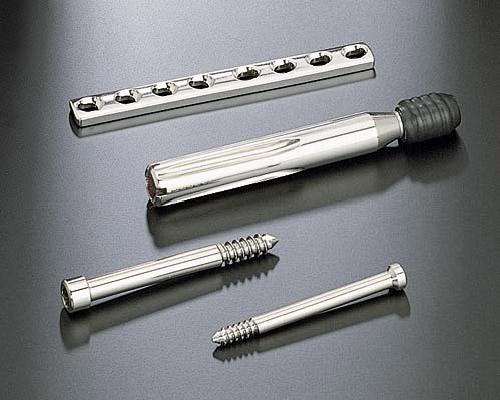
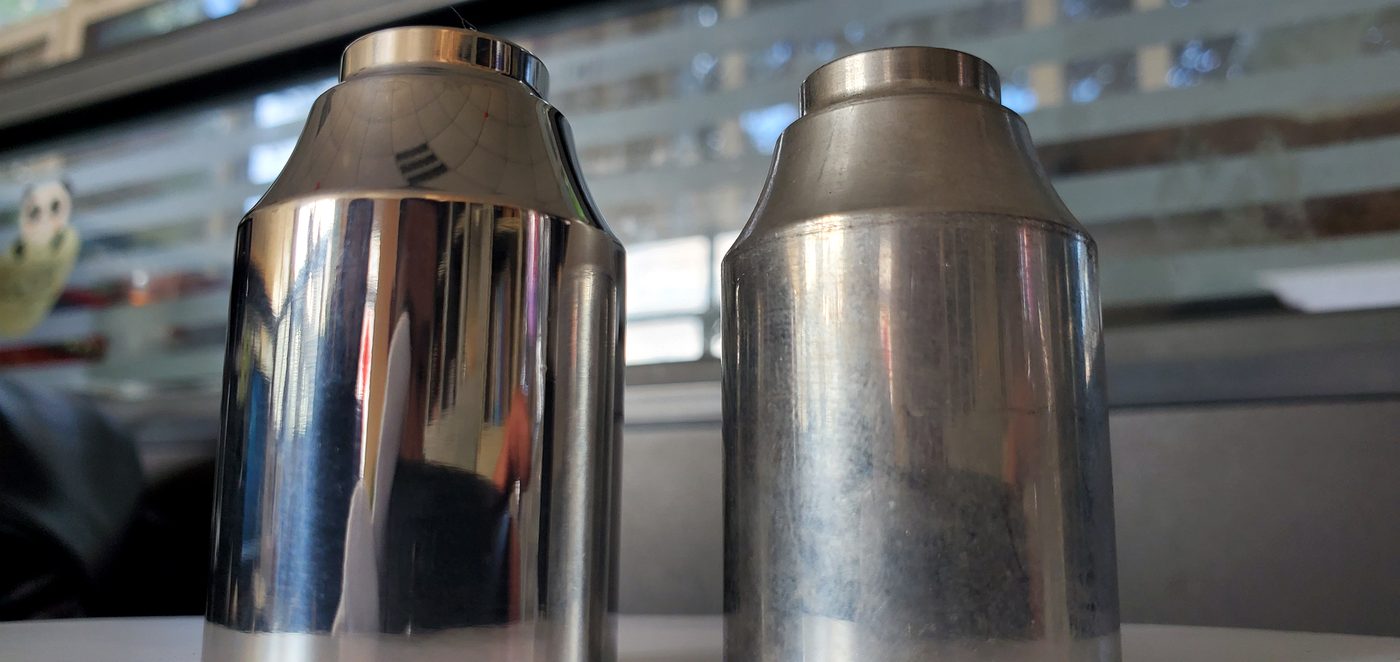
Titanium Surface Finishing Guide How to Polish Titanium Parts Without Scratches, Distortion, or Loss of Detail Titanium can be deburred, smoothed, brightened, or prepared for coating with mechanical finishing, but the correct route depends on geometry, starting defects, appearance requirements, and the amount of material that may be removed. A controlled sample trial is more reliable than selectin...
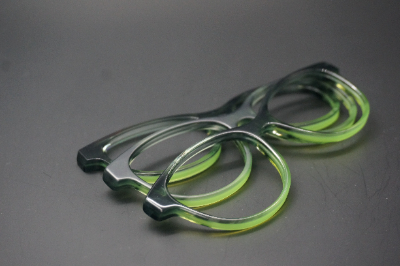
Acetate Frame Finishing Guide How to Polish Acetate Eyeglass Frames Without Cloudiness or Deformation Dry tumbling can smooth machining marks, soften rough edges, and develop a consistent surface on acetate frames. Reliable results require a staged process with controlled loading, clean wooden media, compatible polishing paste, temperature awareness, and inspection between stages. Acetate eyewear ...
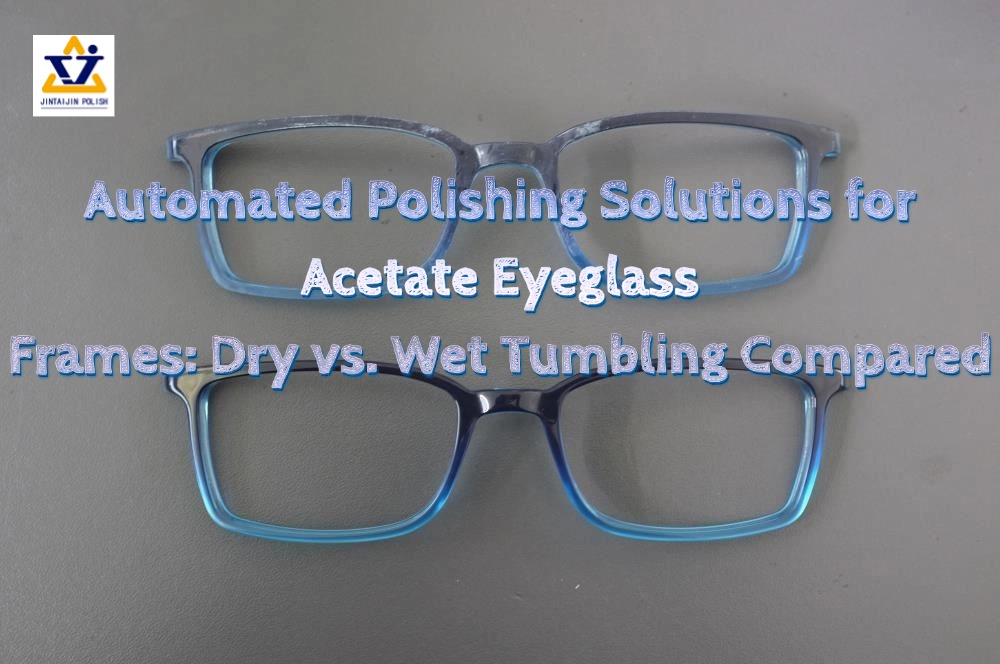
Eyewear Finishing Process Guide Acetate Eyeglass Frame Polishing: Dry vs Wet Tumbling Process Guide Dry and wet tumbling do different jobs in acetate frame production. The best route depends on the starting surface, required gloss, frame geometry, color, batch size, and acceptable edge change. This guide explains how to choose each stage without relying on a universal recipe. Cellulose acetate can...
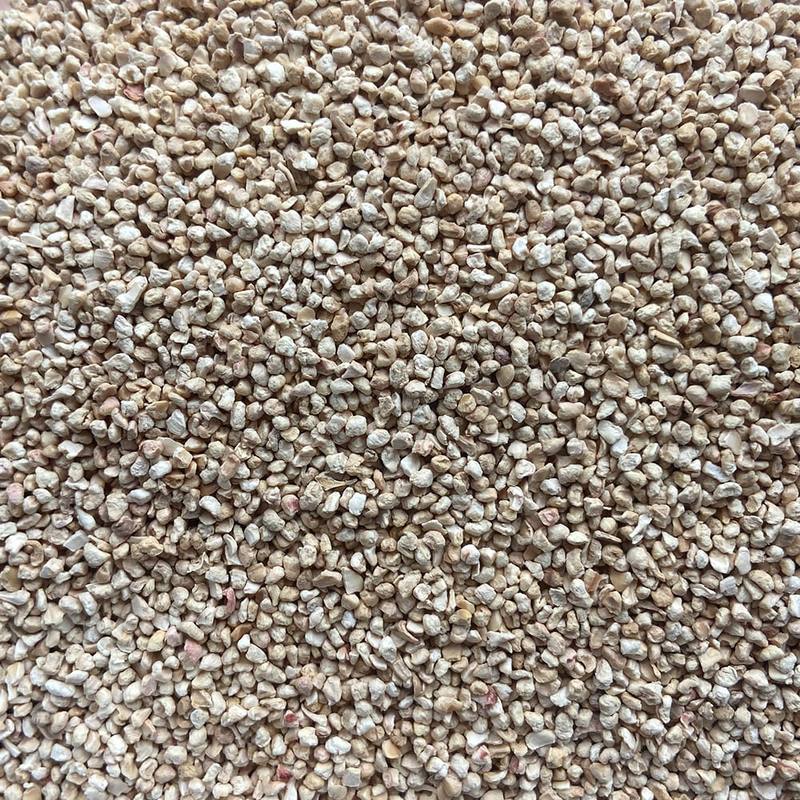
Dry Finishing Process Guide Walnut Shell Tumbling for Wood Parts: Dry Polishing Process Guide Walnut shell media can clean, smooth, and brighten selected small wood parts in a rotary barrel without introducing water. It is a finishing and process-control tool, not a substitute for correcting deep machining marks, heavy tear-out, unstable moisture, or poor sanding. Buyers searching for a wood polis...
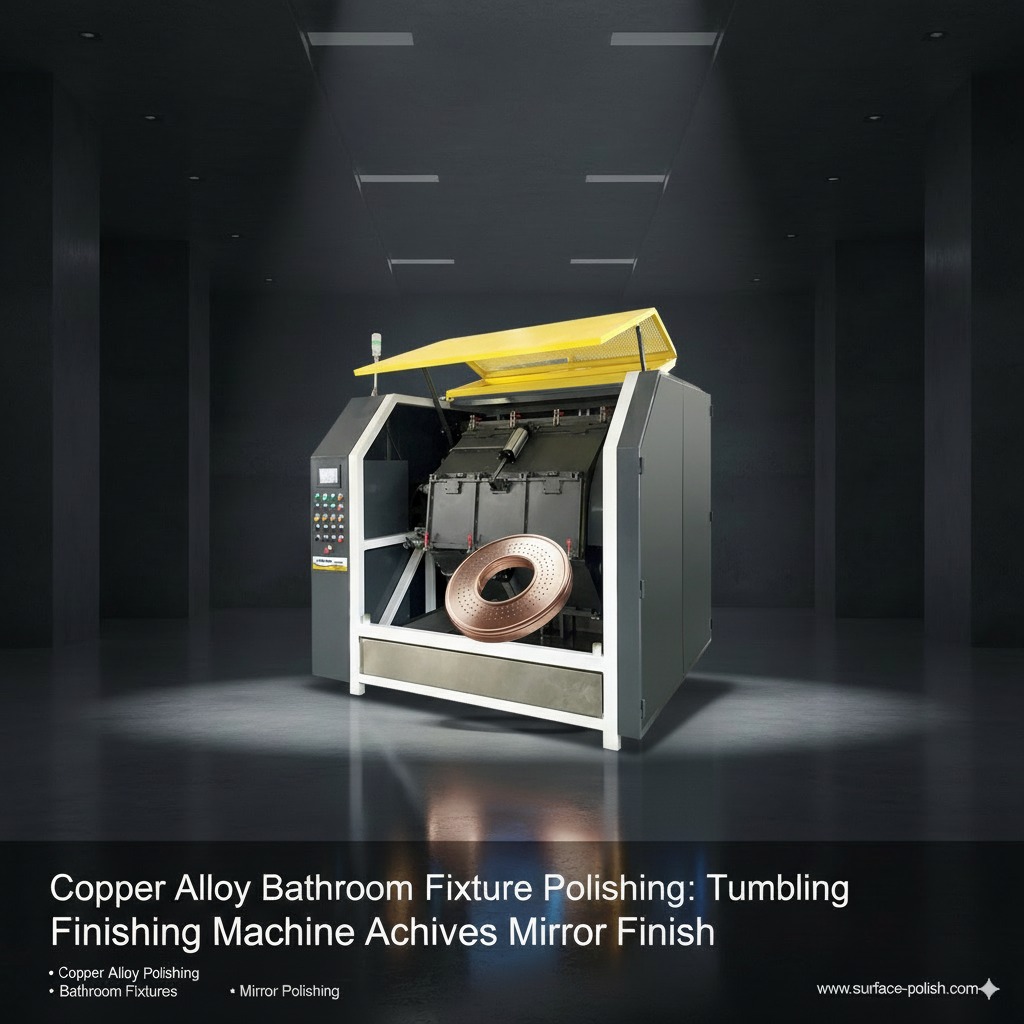
Copper Alloy Bathroom Fixture Polishing: Tumbling Finishing Machine Achieves Mirror Finish In the world of high-end design, the appeal of copper alloy bathroom fixtures is undeniable. Their warmth and elegance can elevate any space, but achieving a flawless, durable mirror polishing finish is a significant manufacturing challenge. This article explores how our advanced machinery provides the perfe...
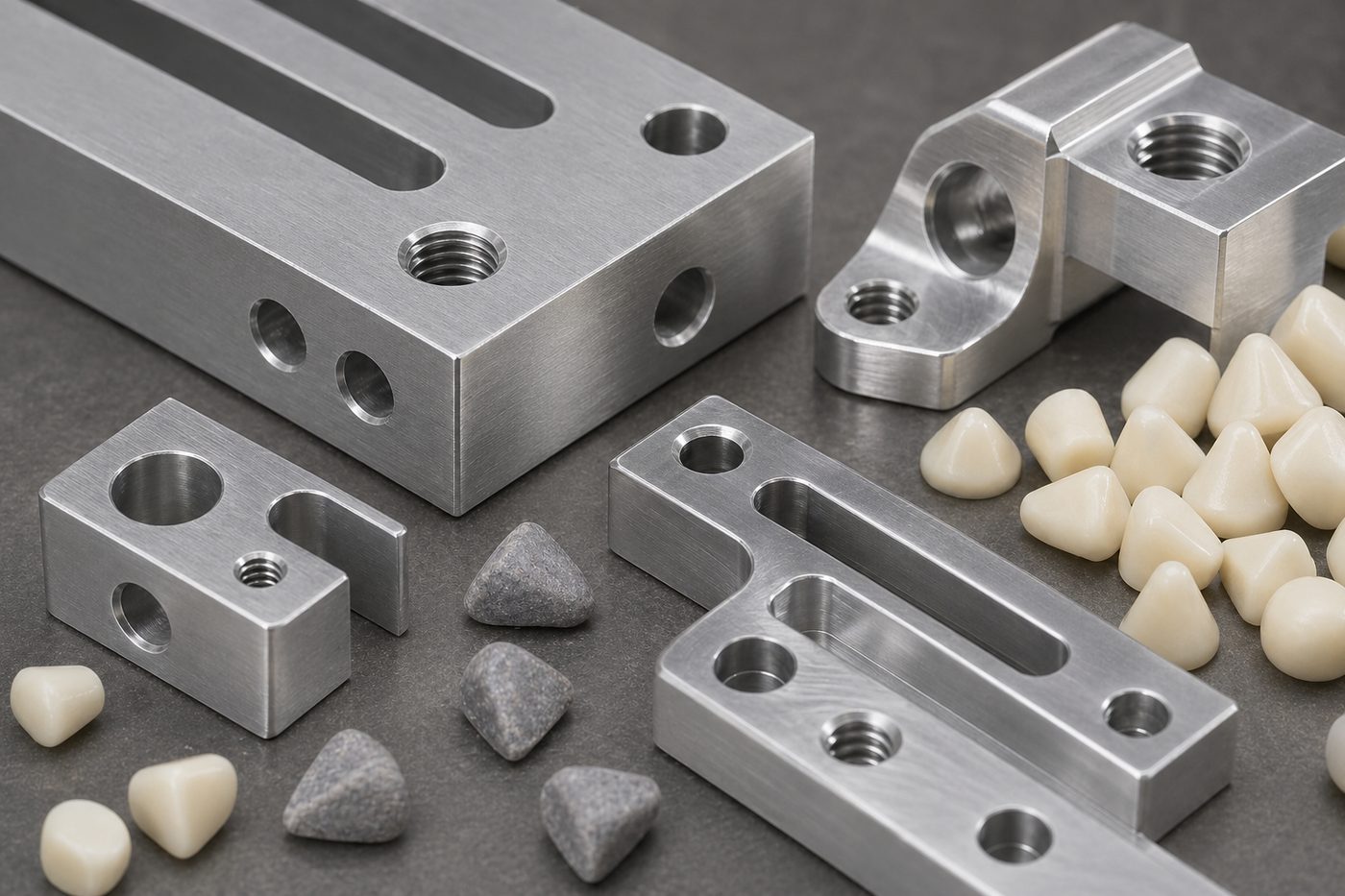
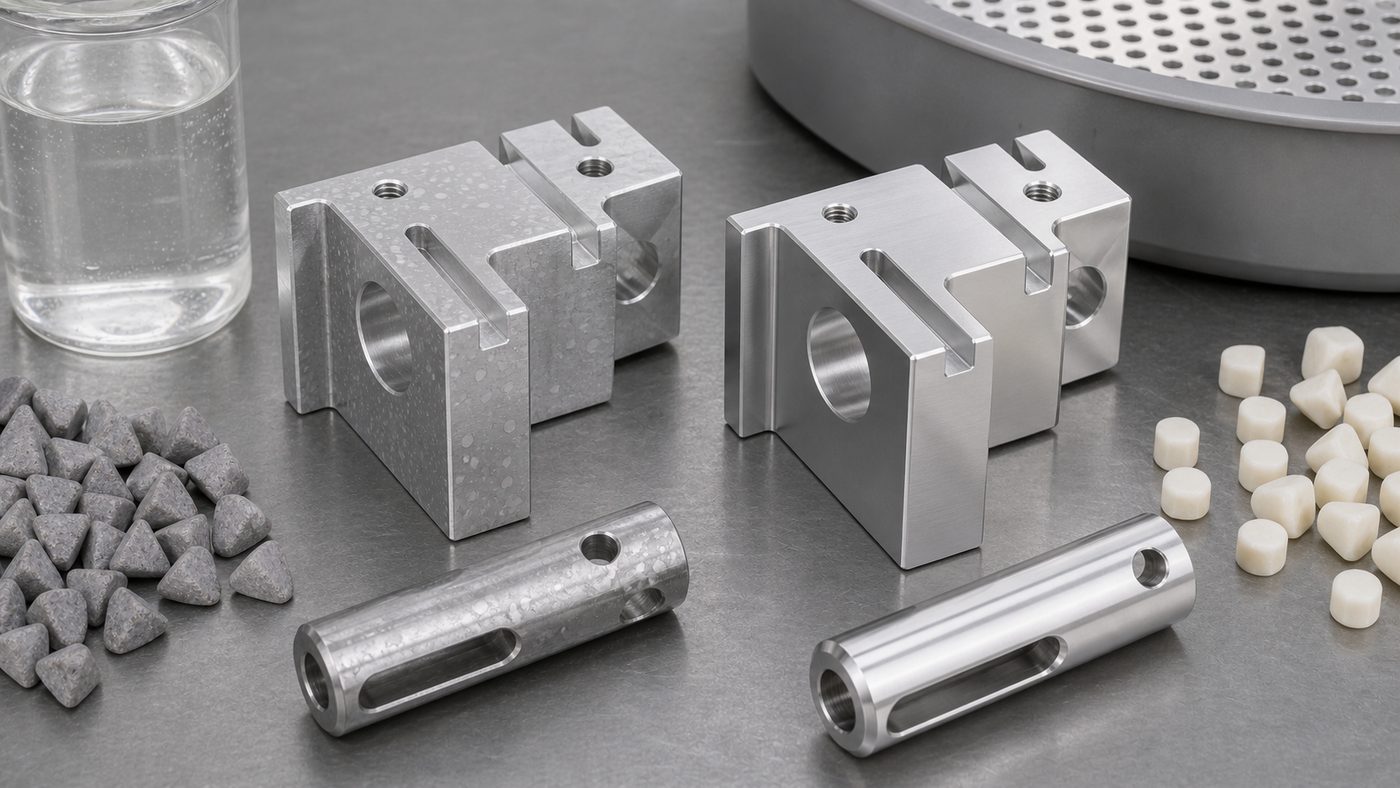
Ceramic Media vs Plastic Media: How to Choose the Right Tumbling Media Choosing between ceramic media and plastic media is one of the most important decisions in a mass finishing process. The right media can remove burrs, smooth edges, improve surface consistency, and reduce manual work. The wrong media can damage parts, leave poor finishes, lodge in holes, or make cycle time unnecessarily long. T...
How to Remove Burrs from CNC Aluminum Parts Without Edge Damage CNC aluminum parts often need deburring after milling, drilling, tapping, or slotting. The challenge is not only removing burrs, but removing them without rounding critical edges, denting visible surfaces, damaging threads, or changing precision dimensions. A stable deburring process should protect the part while still producing clean...


 IPv6 network supported


 +86-592-2381506