


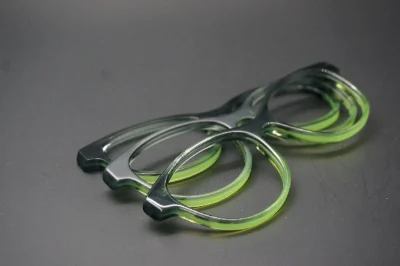
Acetate eyewear components are not finished like ordinary metal parts. Frame fronts and temples combine broad cosmetic surfaces with narrow grooves, hinge areas, beveled edges, curved profiles, and color patterns that must remain clear. A process that is too aggressive may round design details, create contact marks, leave a hazy surface, or change the fit of the component.
Why Acetate Frames Need a Controlled Process
Cellulose acetate is valued for layered color, depth, machinability, and a premium hand feel. It is also sensitive to friction, heat, contamination, and excessive pressure. The safest process window depends on the acetate formulation, sheet thickness, frame geometry, previous machining, hinge installation, and the appearance expected after final hand finishing or assembly.
Friction and poor loading can increase temperature. Heat may contribute to distortion, surface change, or inconsistent results.
Broad frame surfaces can show collisions, embedded debris, dirty paste, or media marks that would be less visible on industrial components.
Hinge recesses, grooves, sharp design lines, and thin bridge areas can be rounded or damaged before the full surface becomes bright.
Transparent, crystal, tortoiseshell, gradient, and light-colored acetate may reveal residue or cross-contamination more readily.
Define the Starting Condition and Finish Target
Before tumbling, separate defects that the process can reasonably improve from defects that should be corrected during cutting, routing, filing, or manual preparation. Dry tumbling is effective for gradual smoothing and surface development, but it should not be used to hide deep gouges, severe tool chatter, incorrect geometry, or a poorly fitted hinge area.
| Condition | Process Direction | Acceptance Check |
|---|---|---|
| Light routing marks and rough edges | Controlled rough and intermediate stages may gradually level the surface | Marks reduced without losing bevels, grooves, or dimensional fit |
| Deep cuts, gouges, or heavy chatter | Correct upstream before tumbling; do not rely on excessive cycle time | Defect root removed without changing the designed profile |
| Hazy but dimensionally correct surface | Review media cleanliness, paste condition, fine-finishing stage, and final cleaning | Uniform clarity under consistent lighting with no residue in recesses |
| Thin, carved, or highly detailed frame | Use conservative loading and short inspection intervals; consider selective hand finishing | Detail, thickness, alignment, and assembly interfaces remain within specification |
Choose the Tumbler, Media, and Paste Together
A barrel finishing machine or dedicated dry tumbler creates controlled relative movement between the acetate parts and polishing media. The machine geometry, speed or motion, media fill, part loading, paste, and cycle time must work as one recipe. Copying only the machine setting from another frame style is not enough.
Media material and condition
Wooden shapes and other suitable dry finishing media are commonly used for acetate polishing. Shape and size determine whether the media contacts broad faces, edges, corners, hinge recesses, and grooves. Media must remain clean, correctly conditioned, and free of hard debris that could scratch the frame.
Polishing paste
The paste should be compatible with the frame material, media, desired stage, and final cleaning method. Too little may reduce the useful polishing action; too much can create uneven loading, buildup, or residue. Use a repeatable dosing method and record the media condition before adding more paste.
Part loading
Do not define capacity only by the chamber volume. Frame fronts and temples can overlap, nest, mask each other, or collide. Production capacity should be based on accepted parts per cycle at a loading level that preserves circulation and separation.
Build a Three-Stage Acetate Polishing Process
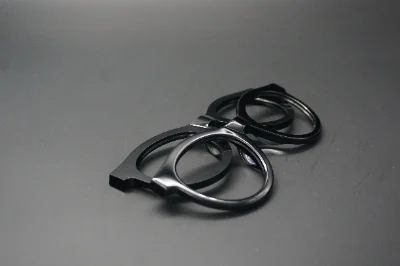
The exact number of stages depends on the starting surface and required appearance, but a rough, intermediate, and fine-finishing sequence provides a useful framework. Each stage should have one clear job and an inspection gate before the parts move forward.
| Stage | Purpose | What to Monitor | Release Criterion |
|---|---|---|---|
| Rough smoothing | Reduce light machining marks and sharp unfinished edges | Profile change, heat, collisions, thin areas, and deep marks that remain | Surface is even enough for the next stage without losing design details |
| Intermediate smoothing | Refine the rough-stage texture and improve uniformity | Residual lines, media access, uneven contact, and contamination | No obvious rough-stage marks under the agreed inspection light |
| Fine polishing | Develop clarity, smooth touch, and a consistent cosmetic finish | Haze, residue, gloss variation, fine scratches, and temperature | Approved appearance, clean recesses, correct fit, and no new damage |
A Practical Trial and Inspection Procedure
- Group similar parts. Do not mix widely different frame sizes, thicknesses, colors, or geometries in the first validation batch.
- Preserve untreated controls. Photograph and label samples so profile, color, surface marks, and fit can be compared after every stage.
- Clean and condition the tumbler. Check the chamber, media, dust collection, screens, and containers for residue or hard particles from previous work.
- Begin below the assumed capacity. Confirm that frame fronts and temples move separately without nesting, masking, or repeated collision.
- Inspect at fixed intervals. Record temperature trend, surface clarity, edge profile, grooves, hinge areas, and media buildup.
- Change one variable at a time. Adjust media, paste, load, machine action, or time individually.
- Repeat the approved recipe. Validate multiple batches, media aging, loading and unloading, cleaning, and final assembly—not only one visually attractive sample.
Troubleshooting Acetate Tumbling Problems
| Symptom | Likely Cause Direction | What to Check | Adjustment to Test |
|---|---|---|---|
| Cloudy or dull surface | Incomplete stage progression, contaminated media, unsuitable paste, or poor final cleaning | Media age, paste history, stage transfer, residue in grooves, and inspection lighting | Refresh or segregate media, validate paste dosing, and correct the fine-finishing stage |
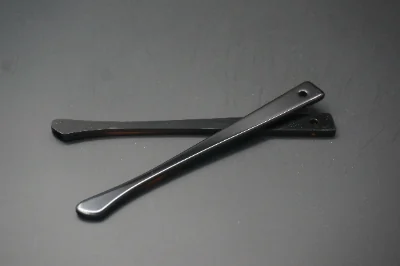
| Warping or fit change | Excess heat, long uninterrupted cycle, overloading, or vulnerable geometry | Temperature trend, cycle segments, wall thickness, stacking, and frame alignment | Reduce load or process intensity, shorten inspection intervals, and isolate sensitive parts |
| New scratches or contact marks | Hard debris, dirty media, frame collisions, or damaging loading and unloading | Chamber cleanliness, media screening, part spacing, transfer trays, and operator handling | Clean and screen the system, lower the part load, improve cushioning, and protect transfers |
| Rounded grooves or lost details | Aggressive media, excessive time, or using tumbling to remove a defect that should be corrected upstream | Stage where detail loss begins, media access, starting tool marks, and profile measurements | Use gentler media or a shorter stage and improve cutting or manual preparation before tumbling |
Connect Surface Finishing to Eyewear Production
A polishing recipe is successful only when the finished components still assemble correctly and meet the brand's appearance standard. Frame-front dimensions, temple alignment, hinge fit, color consistency, comfort edges, and final cleaning should therefore be reviewed together. For the downstream product and quality context, see this overview of a professional OEM eyewear manufacturer.
Information Needed for an Acetate Polishing Trial
- Acetate supplier or sheet specification, color type, and thickness
- Frame-front and temple dimensions, weight, photos, and drawings
- Current machining, filing, sanding, and cleaning sequence
- Starting defects and approved finish samples
- Protected grooves, bevels, hinge areas, logos, and assembly interfaces
- Required batch quantity and pieces per shift
- Final inspection method, gloss or clarity expectation, and allowed dimensional change
Frequently asked questions
Why do acetate frames turn cloudy or white instead of polishing clear?
Clouding on acetate is usually a surface reaction rather than a dull finish. Sweat, skin oils and hair products react with the material over time and oxidise the surface, and mechanical stress during polishing can add micro-cracking that scatters light. On a frame that has already whitened, polishing the surface back to clear material removes the affected layer; on a new frame, clouding during polishing is a sign of too much heat or pressure.
What temperature is too hot for acetate?
Acetate softens and can swell well below the temperatures metal finishing tolerates. Cellulose acetate butyrate immersed around 54–71 °C (130–160 °F) is documented to swell, which is far below what a metal part would tolerate without change. Treat any warmth you can feel on the frame as a signal to reduce pressure or contact time, not to speed up.
Can acetate frames be heat-adjusted and polished in the same operation?
They should be kept separate. Heat adjustment needs the frame warm enough to become formable — around 80 °C is typical for bending — while polishing needs the frame kept cool so it does not deform or take a set. Doing both at once means the polishing stage is running at a temperature where the frame can move.
Why do acetate frames deform during tumbling?
Two causes: heat and load. Acetate softens as it warms, so a cycle that generates heat lets the frame take a set from the media pressure. Separately, a load that lets frames press against each other can bend thin temples and rims without any heat at all. Both are solved by the process, not by the material.
How is acetate different from other plastics used in eyewear frames?
Acetate responds more strongly to heat and to solvent contact than many other frame plastics, which makes it less forgiving in a polishing cycle. The same sequence works in principle but needs a gentler first stage, closer temperature control, and no solvent-based compounds that could attack the surface.
Can I use the same media and compound for acetate as for metal frames?
No. Media sized and graded for metal will mark or deform acetate, and metal compounds are formulated for cutting metal, not for polishing a heat-sensitive plastic. Acetate needs lighter media, a gentler compound, and a shorter cycle with more temperature attention.
Does polishing fix a frame that has already whitened from wear?
It can, up to the depth of the affected layer. Whitening from oxidation sits in the surface, so removing that layer restores clarity. But if the whitening has gone deep into the material — common on nose pads and temple tips that have absorbed oils for years — polishing will not recover it without changing the frame geometry.
Test the Complete Acetate Finishing Sequence
Send representative frame fronts and temples with your material, current process, finish target, protected features, and production quantity. Jintaijin can help evaluate the tumbler, media, paste, stage sequence, loading, and inspection method.
Request an Acetate Frame Polishing Test +86-592-2381506

 IPv6 network supported