Email : info@surface-polish.com


Mass finishing is not one process. Four machine families cover most of the work — vibratory, barrel, disc and magnetic — and they trade energy against control in different ways. Picking the wrong family is a more expensive mistake than picking the wrong model, because no amount of media tuning fixes a process that cannot reach the part or cannot tolerate it.
| Family | Working principle | Energy | Reach |
|---|---|---|---|
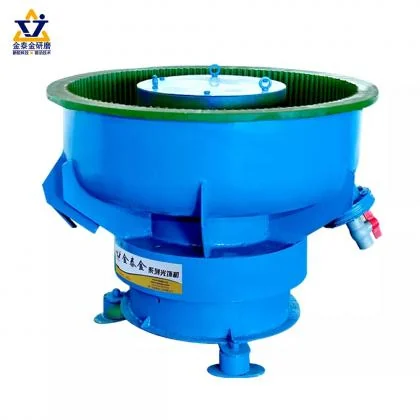
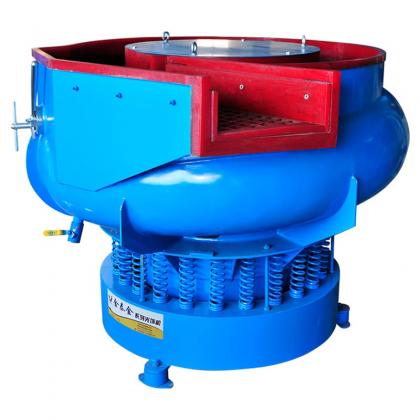
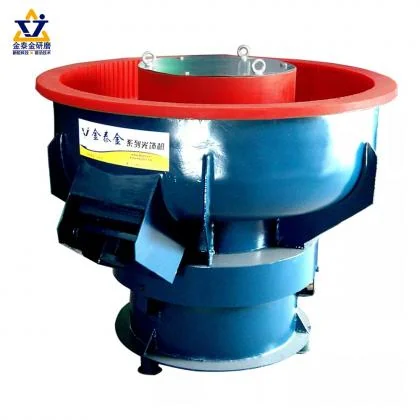
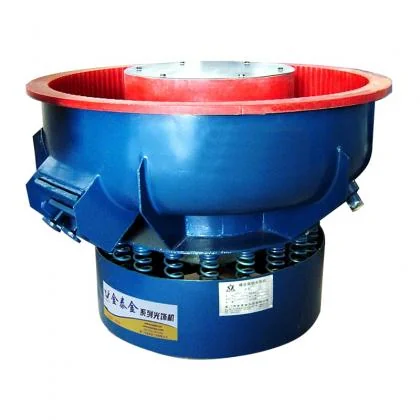
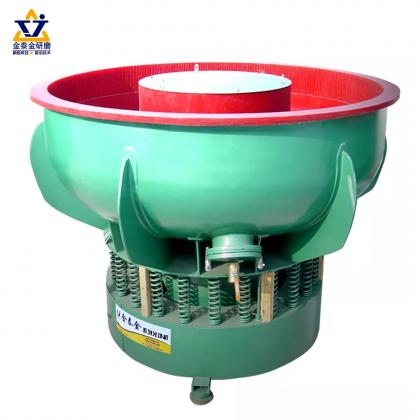
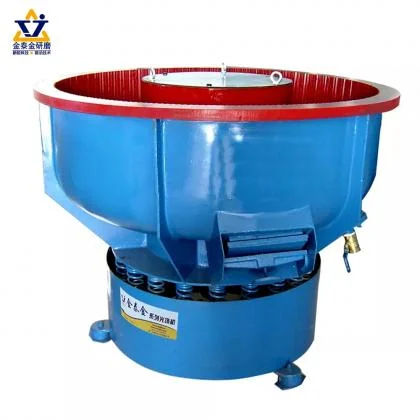
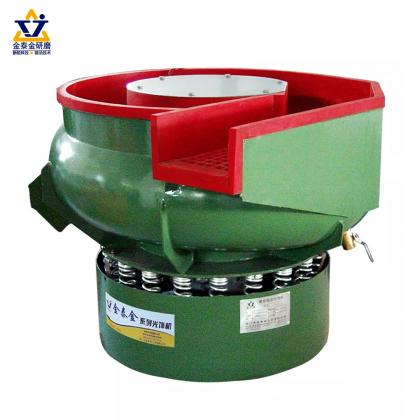
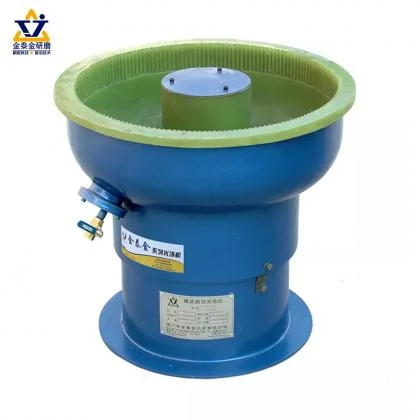
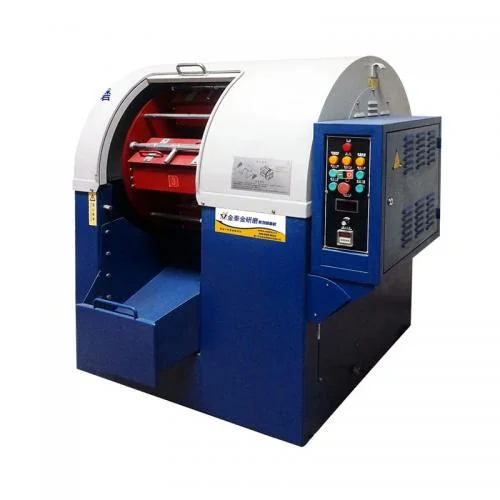
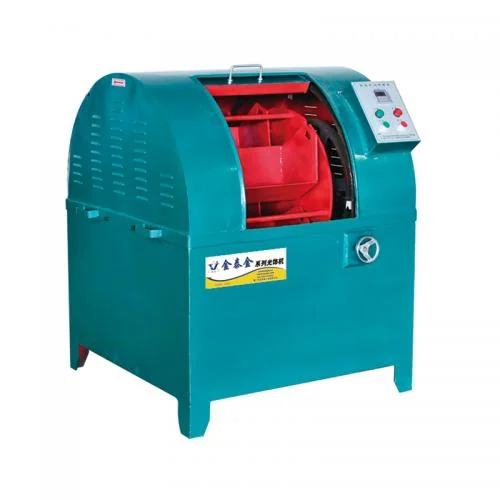
| Vibratory | Media charge vibrated by a motor; parts work through the mass | Moderate | External surfaces; accepts large parts |
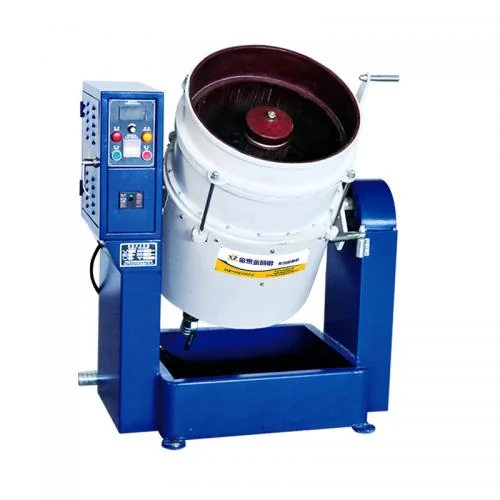
| Barrel | Barrel turns; the sliding layer of media works the parts | Lowest | External surfaces; gentlest action |
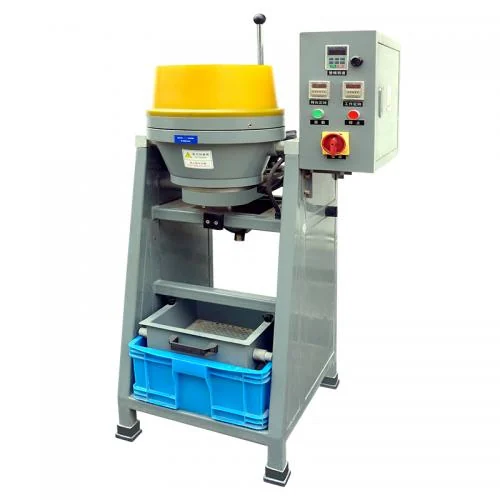
| Disc | Rotating disc at the bowl base drives media at high velocity | Highest | External surfaces of small-to-medium parts |
| Magnetic | Steel needles driven by a rotating field | Low | Into slots, cross-holes and thread roots |
The single most useful way to think about the four families is as a trade between how fast they work and how much control they give you:
So the question is never "which machine is best" — it is "what does this part need and what can it tolerate".
| If the part is… | The family is probably… | Because |
|---|---|---|
| Small-to-medium with a heavy burr, in volume | Disc | Highest energy, shortest cycle |
| Large, or needs general deburring at scale | Vibratory | Accepts larger parts, moderate energy, production throughput |
| Thin, soft, delicate, or freshly polished | Barrel | Gentlest action; sliding rather than impact |
| Has a slot, cross-hole or thread root that must be deburred | Magnetic | The only family whose working medium enters small features |
| Needs a controlled edge rather than a rounded one | None by default | All mass finishing removes edge material; this needs assessment |
Every one of these machines is really a media-delivery system. The same machine produces completely different results depending on what is in the bowl:
| Media | What it does | Where it is used |
|---|---|---|
| Ceramic — bonded abrasive | Cuts; removes burr and produces a radius | Vibratory, disc, barrel (wet) |
| Plastic — abrasive filled | Softer cutting; suits soft metals and finer finishes | Vibratory, disc, barrel (wet) |
| Steel | Burnishes without removing material | Vibratory, barrel (wet, with burnishing compound) |
| Organic (walnut shell, corn cob, wood) | Dries, absorbs residue, brightens | Barrel, vibratory (dry) |
| Steel needles (magnetic) | Reaches fine features; cuts and burnishes | Magnetic only |
Three failure modes account for most disappointing results, and none of them is a machine fault:
Once the family is chosen, the model follows from four inputs — and three of them are about the part, not the machine:
Send those four and the machine selection follows. Send only a model number and the selection is a guess — because the model that fits the part depends on the part.
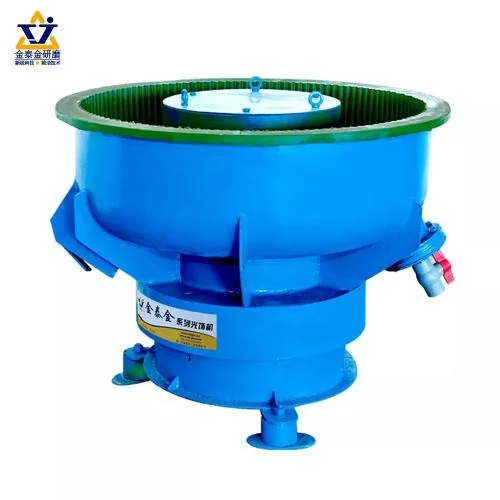
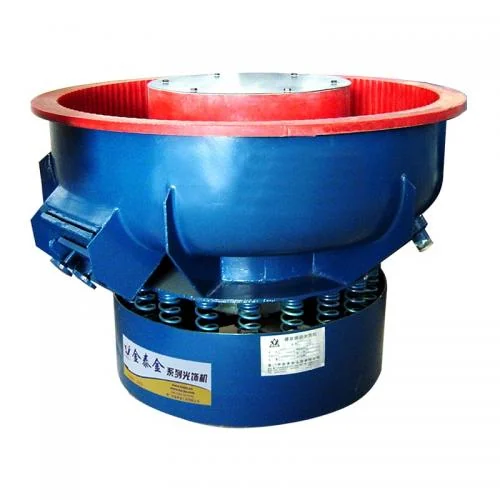
A vibratory bowl. It covers the widest range of part sizes and processes at production scale. It is not the fastest (disc) or the gentlest (barrel) or the only one that reaches fine features (magnetic), but it is the one that suits the most parts.
Not in one stage. Deburring and polishing are different stages with different media and compound. A machine can run both stages, but they are separate cycles — trying to do both at once usually produces neither result well.
Often yes. A common route is a higher-energy stage to cut and radius, then a gentler stage to refine and brighten. The second stage cannot substitute for the first, and the first cannot produce the second's finish.
From the part: its geometry, the burr to remove, the features to preserve, and the finish it is allowed to have. A trial on representative parts settles the rest — a machine specification without that trial is an estimate.
It depends on the model. A machine run far below its rated load does not process parts the way it does at capacity, because the media charge no longer surrounds the parts properly. This is why sample and trial work is done on a machine sized to the trial batch.
Part material, largest and smallest dimensions, the features to preserve, the incoming burr or surface condition, the finish target, and the batch quantity. Those six decide the family and the model.
Send the part details and the finish requirement. The useful inputs are the geometry with features to protect, the starting condition, the finish the part is allowed to have, and how the result will be inspected. If you are choosing between processes, say so — the answer usually starts with the part, not the machine.
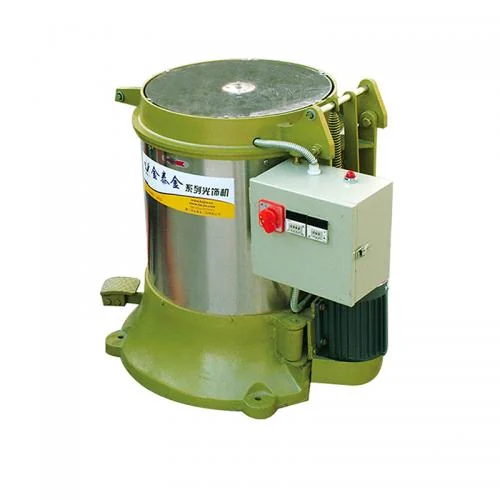
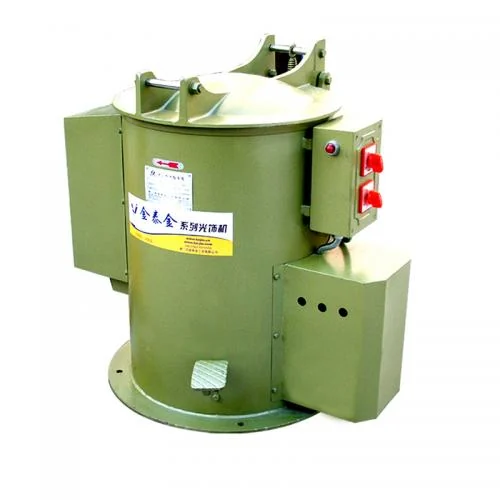
We manufacture vibratory, barrel, disc and magnetic finishing machines, and the media and compounds for them. Specifications describe the listed ranges; confirm the exact configuration and cycle for your part with a trial on representative parts.
 IPv6 network supported







 +86-592-2381506
