Enhancing Manufacturing Excellence with Jintaijin's Advanced Surface Finishing Technologies In the contemporary landscape of manufacturing and processing industries, achieving peak product quality and aesthetics is an incessant pursuit. Enter Jintaijin, a pioneering company specializing in cutting-edge surface finishing solutions, which has emerged as a formidable driving force propelling t...
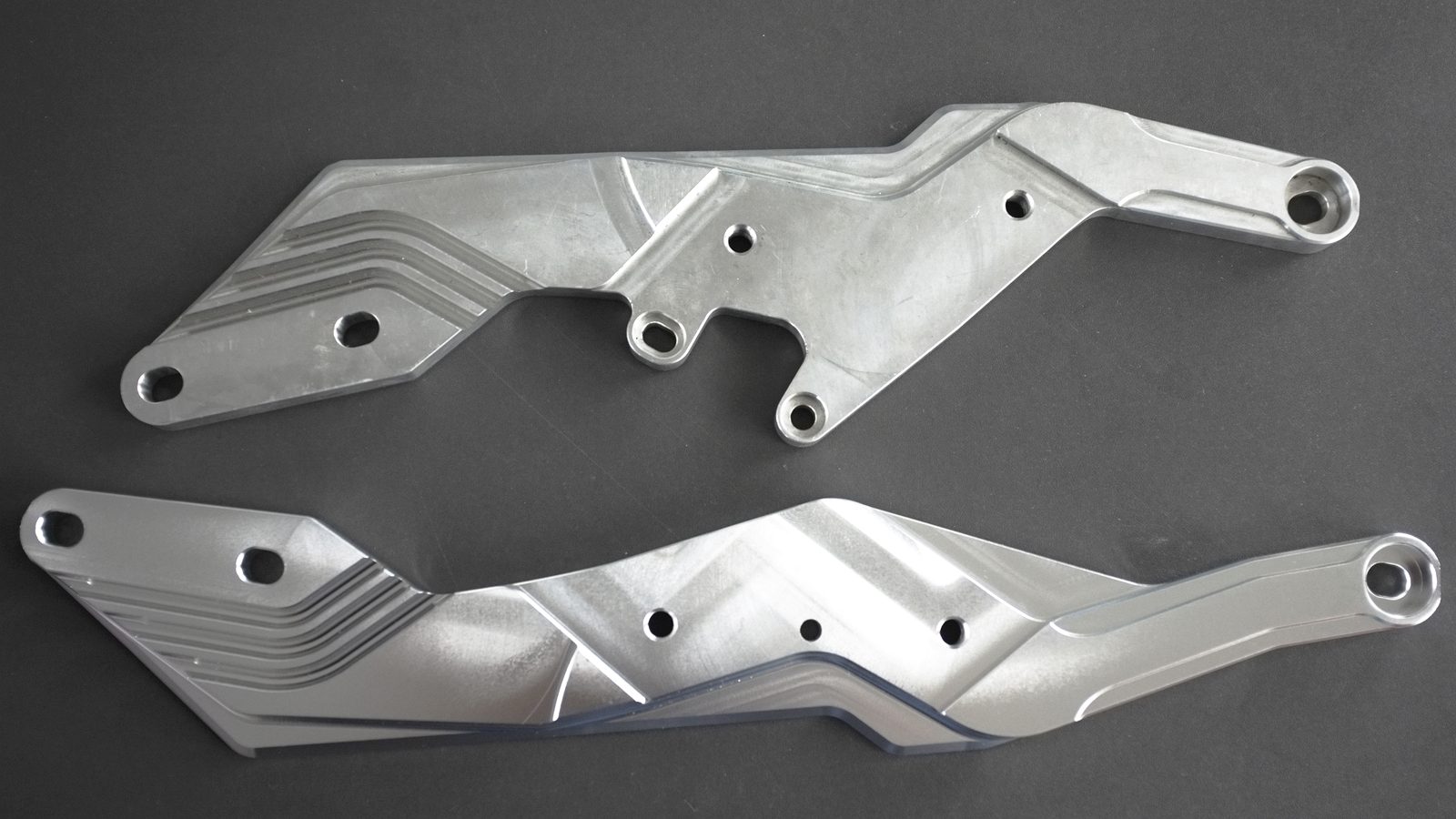
Aluminum Alloy Polishing: Exploring the Process, Outcomes, and Varied Techniques Welcome to jintaijin polish, your go-to solution for professional aluminum alloy polishing. In this article, we will delve into the process, the resulting effects, and the diverse options for polishing machinery and materials to meet your unique requirements. In the manufacturing industry, the surface quality of alumi...
1. Introduction to Surface Finishing in Medical Devices Surface finishing is a critical step in manufacturing medical devices, especially for titanium alloys used in implants and surgical tools like forceps,scalpels,artificial knee joints, and vascular stents. A flawless surface reduces bacterial adhesion, enhances biocompatibility, and ensures long-term performance. This article ex...
Why Stainless Steel Parts Are Not Bright After Tumbling and How to Improve the Finish Quick Answer A controlled surface finishing process with the right media selection, proper compound matching, correct machine settings, and clean post-process handling can solve this problem. The key is diagnosing the root cause before adjusting parameters blindly. The Real Problem: Identify What Is Actually Goin...
Process Troubleshooting Why Stainless Steel Parts Are Not Bright After Tumbling and How to Improve the Finish Surface finishing defects are often caused by interactions between multiple process variables rather than a single root cause. A systematic approach to identifying the actual problem reduces wasted time, media, and compound, and leads to faster process correction. When surface defects appe...
Surface Finishing How to Achieve Mirror Finish on Stainless Steel with Mechanical Polishing This guide covers the key factors to consider when planning a surface finishing process for your parts. Material, geometry, batch size, and target surface quality all influence the choice of equipment, media, compound, and process parameters. This guide is based on common surface finishing scenarios observe...


 IPv6 network supported


 +86-592-2381506