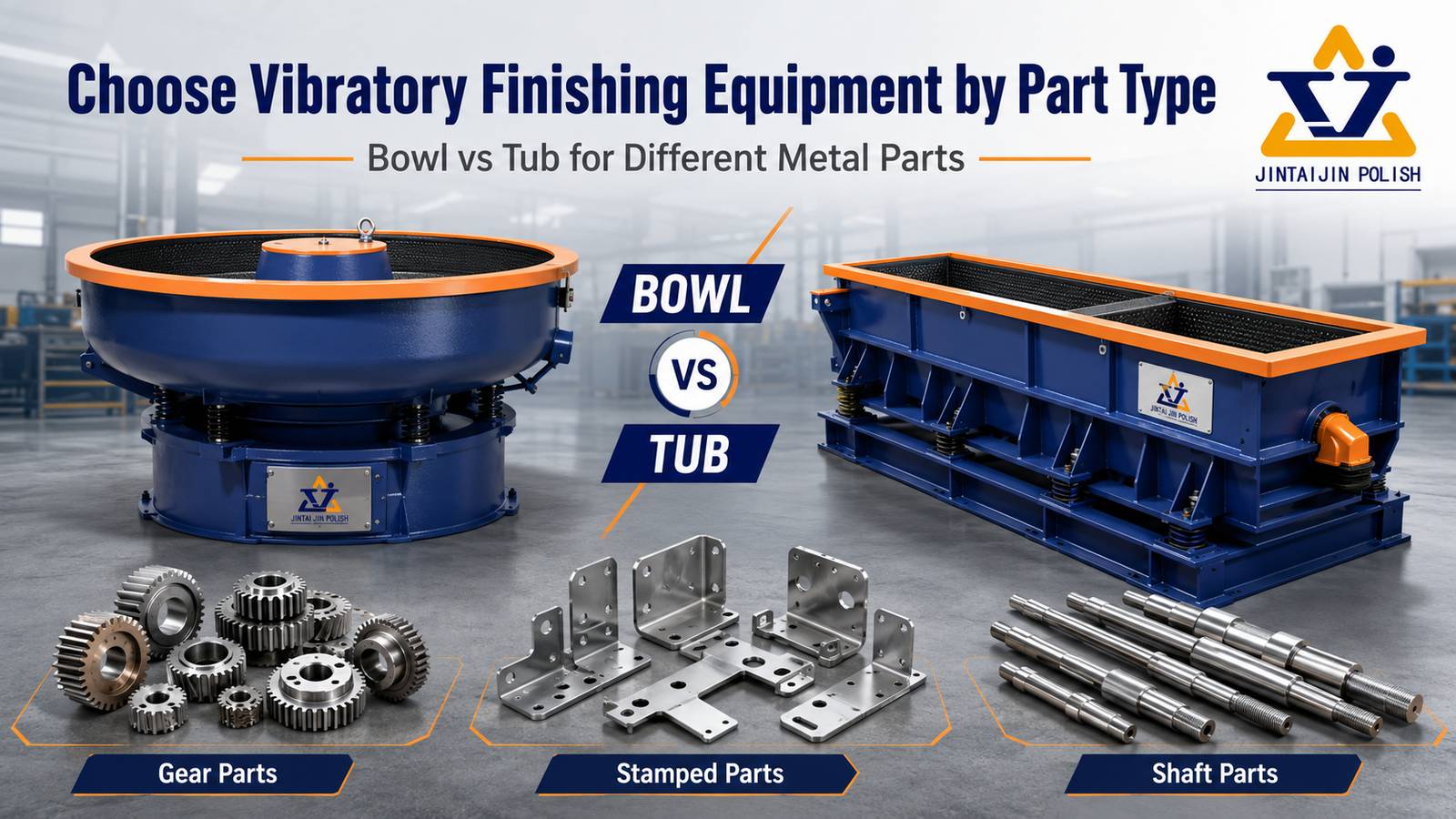
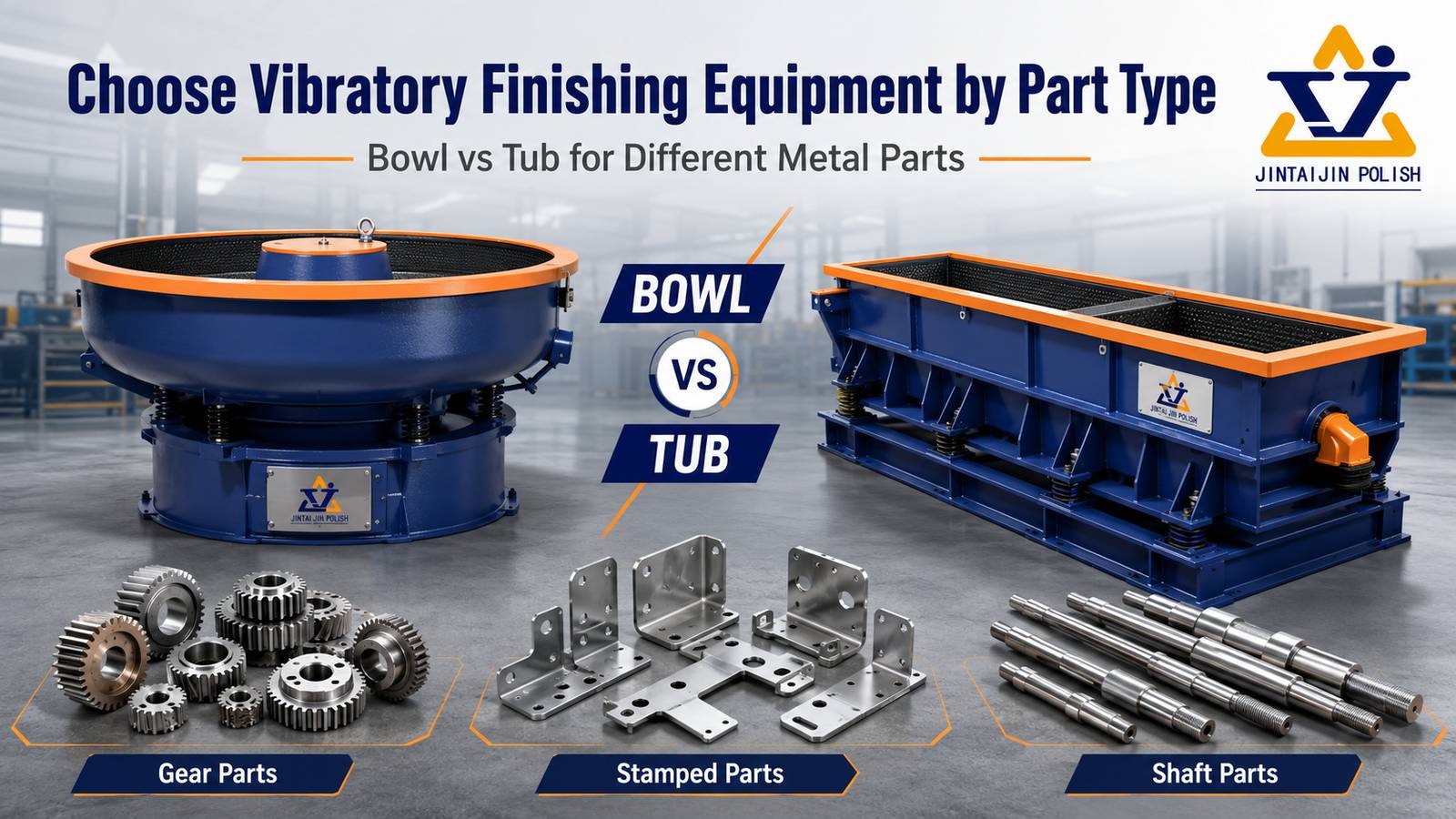
Equipment Selection Guide How to Choose a Vibratory Finishing Machine for Metal Parts: Bowl, Tub, Capacity, and Process Guide The right vibratory finishing machine is determined by the parts and the required production result—not by chamber volume alone. This guide explains how to compare bowl and tub machines, estimate practical capacity, match media and process settings, and prepare the informat...
Process Comparison Ceramic Media vs Plastic Media How to Choose the Right Tumbling Media Choosing between two finishing processes requires understanding how each method applies energy to the media, how the media contacts the part, and how the process variables scale with batch size and production rate. This comparison covers the key differences to help you decide which process matches your product...
Process Troubleshooting Why Your Parts Have Water Spots After Vibratory Finishing and How to Fix It Surface finishing defects are often caused by interactions between multiple process variables rather than a single root cause. A systematic approach to identifying the actual problem reduces wasted time, media, and compound, and leads to faster process correction. When surface defects appear after f...
Process Comparison Ceramic Media vs Plastic Media How to Choose the Right Tumbling Media Choosing between two finishing processes requires understanding how each method applies energy to the media, how the media contacts the part, and how the process variables scale with batch size and production rate. This comparison covers the key differences to help you decide which process matches your product...
Process Comparison Vibratory Finishing vs Barrel Tumbling Which Process Fits Your Parts Choosing between two finishing processes requires understanding how each method applies energy to the media, how the media contacts the part, and how the process variables scale with batch size and production rate. This comparison covers the key differences to help you decide which process matches your producti...
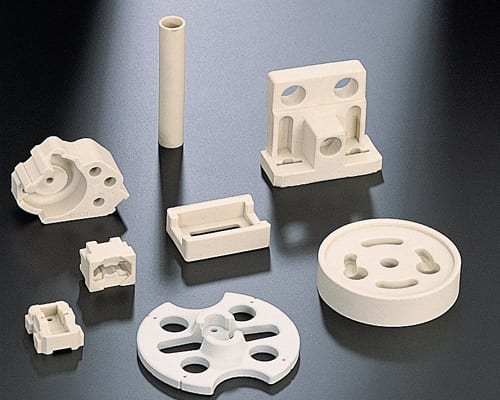
Process Troubleshooting How to Prevent Tumbling Media from Lodging in Holes Slots and Threads Surface finishing defects are often caused by interactions between multiple process variables rather than a single root cause. A systematic approach to identifying the actual problem reduces wasted time, media, and compound, and leads to faster process correction. When surface defects appear after finishi...
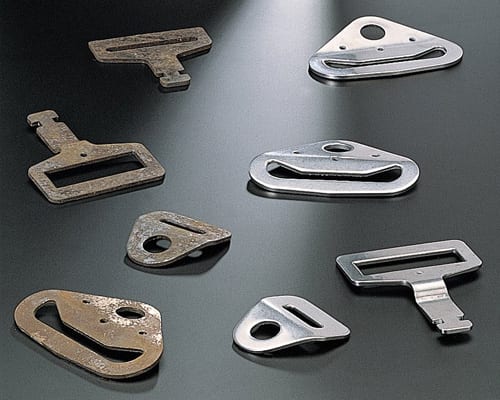
Stamped Parts Finishing Guide How to Deburr Stamped Metal Parts Without Tangling, Distortion, or Part-on-Part Damage Stamped washers, clips, brackets, and thin sheet-metal parts can be efficient mass-finishing candidates, but their geometry creates risks that solid machined parts do not have. This guide explains how to evaluate the burr, select a machine and media, control part interaction, and bu...
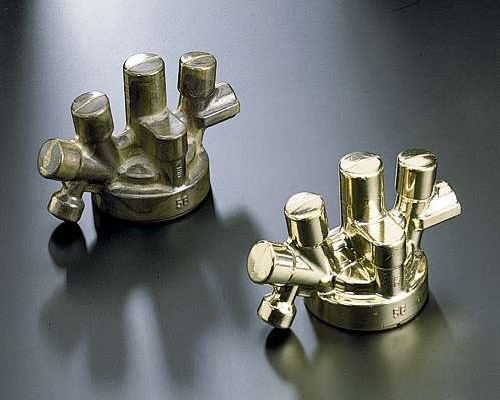
Brass Component Finishing Guide How to Finish Brass Valves and Fittings Without Damaging Threads or Sealing Surfaces Brass valve bodies, pipe fittings, sleeves, and connectors can be deburred and surface-finished in batches, but their threads, bores, sealing faces, flats, and thin edges require separate protection and inspection. The best process removes the actual defect without changing how the ...
How to Choose Media Size for Small Holes, Slots and Internal Cavities How to Choose Media Size for Small Holes, Slots and Internal Cavities Short answer: choose the smallest media that reaches the required feature and can still be separated reliably. A smaller chip may improve access, but it can also lodge in a hole, pass through a slot, slow separation or change the contact intensity. The correct...


 IPv6 network supported


 +86-592-2381506