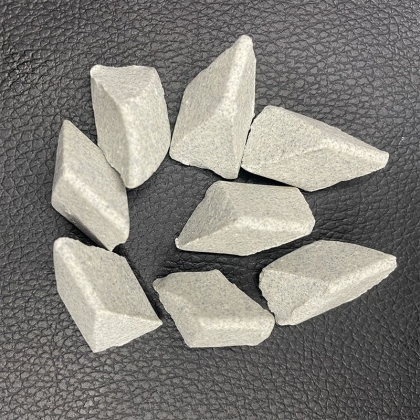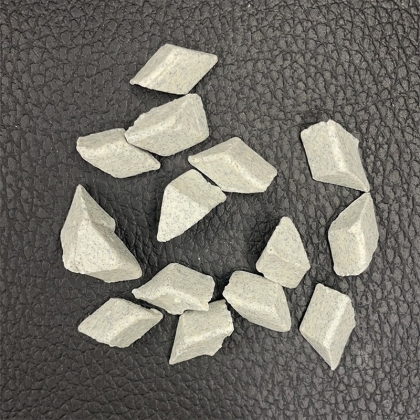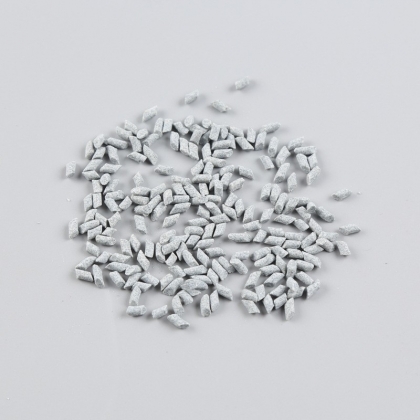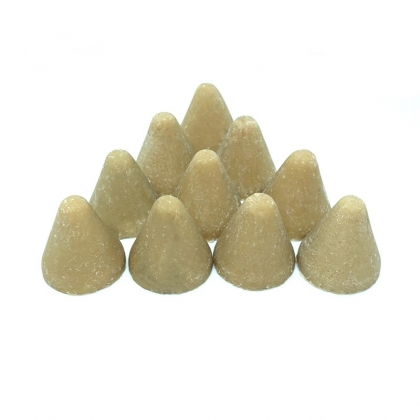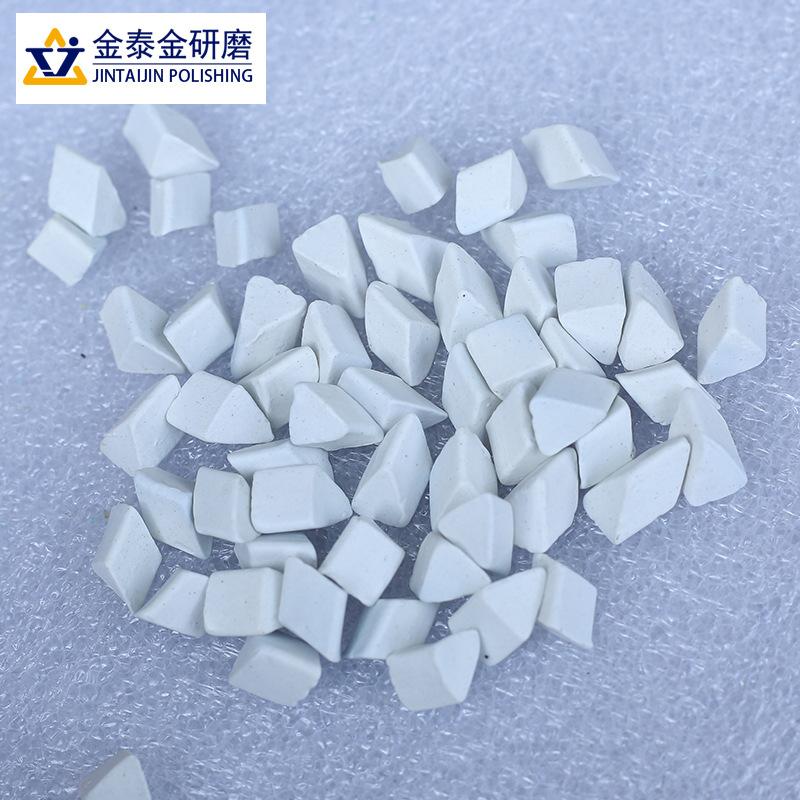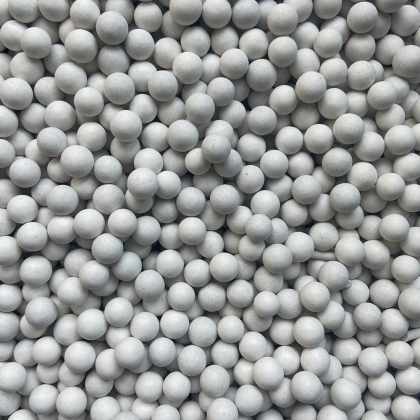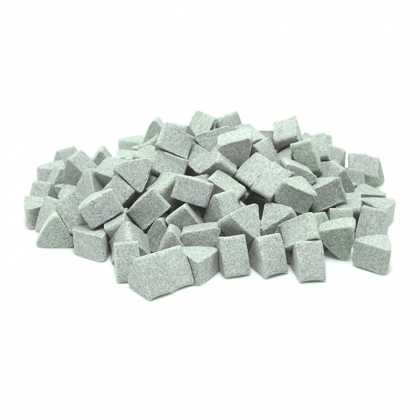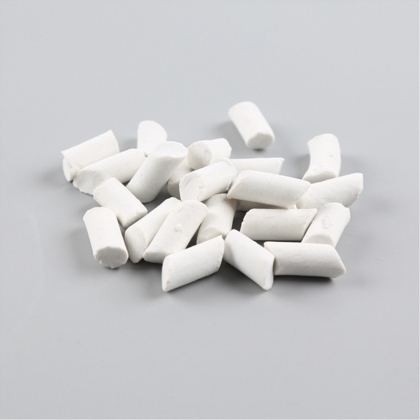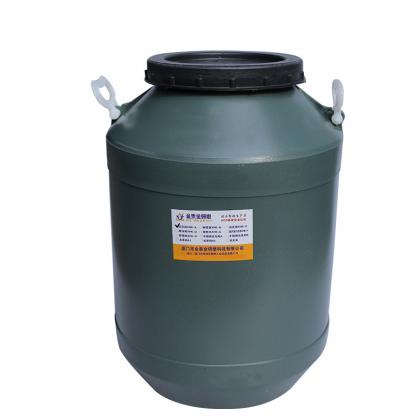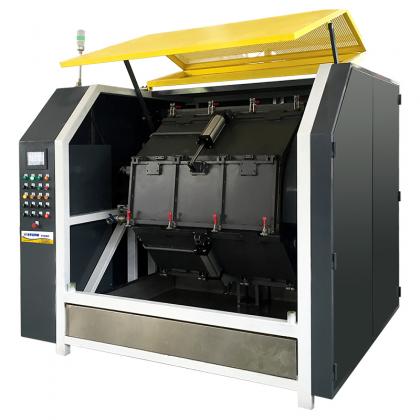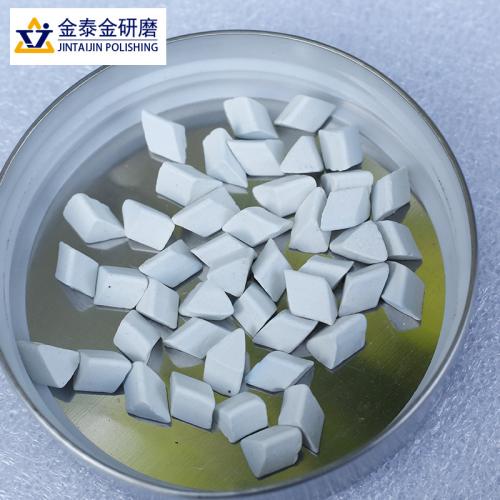
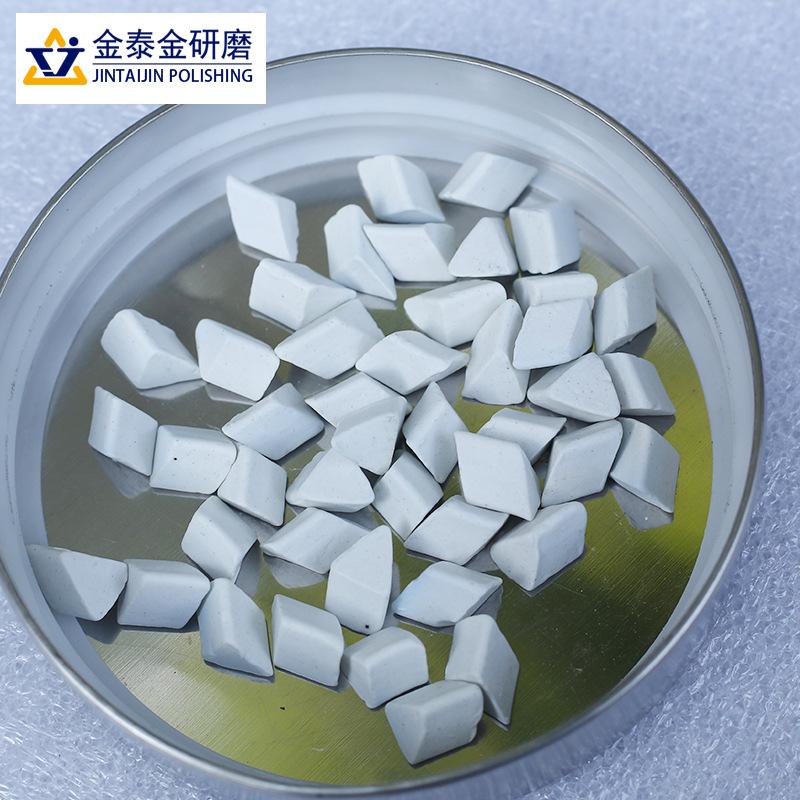
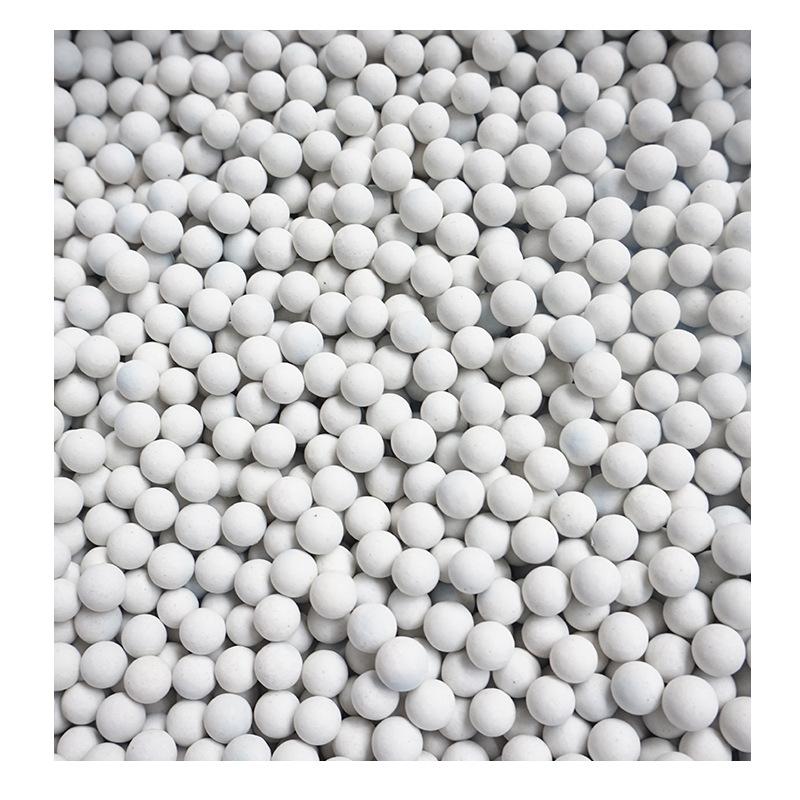
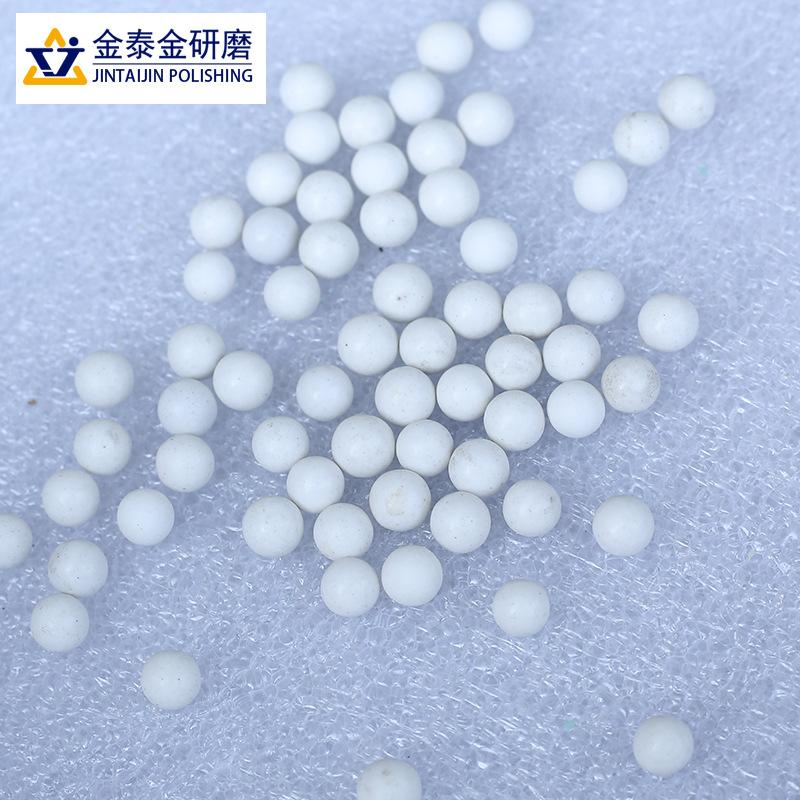
Ceramic Polishing Media Extra Finish

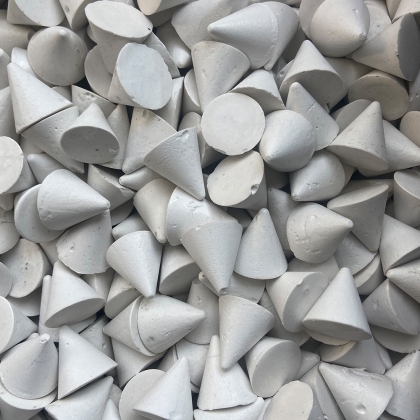
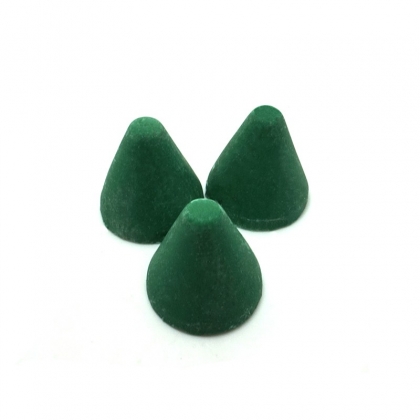
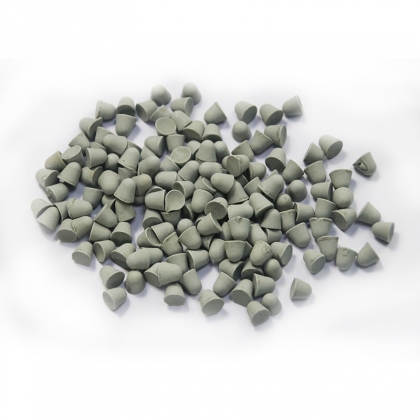
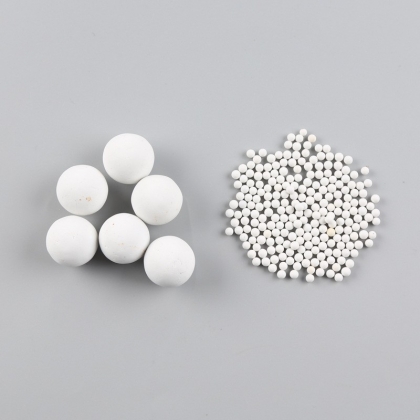
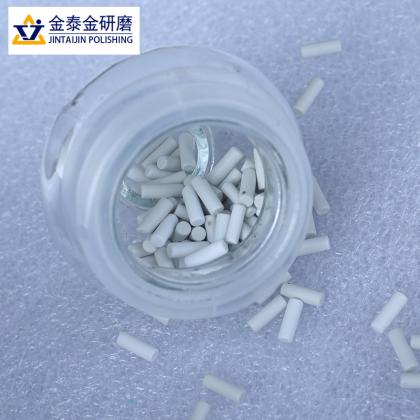
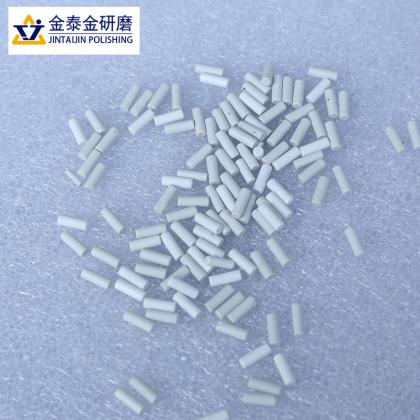
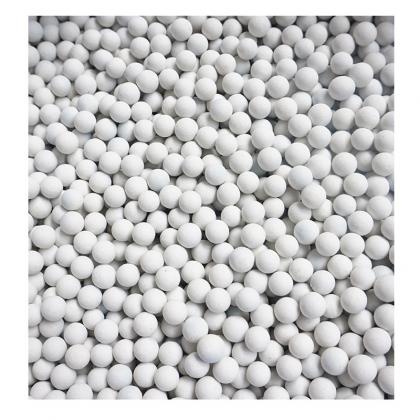
Achieve a high gloss finish with extra finish ceramic polishing media. These polishing spheres offer superior abrasive capability for deburring and burnishing various materials, including metal and plastic. They are versatile and suitable for both wet or dry use, making them a perfect choice for a wide range of applications. With their long-lasting performance and superior gloss finish, extra finish ceramic polishing media is a reliable and efficient solution for achieving a flawless finish.

  • Item NO.:

    Extra Finish Ceramic
  • Payment:

    T/T, L/C, Western Union,Money Grain
  • Product Origin:

    Xiamen China
  • Shipping Port:

    xiamen
  • Lead Time:

    30 days
  • Product Detail

Advanced Ceramic Tumbling Media: Industrial-Grade Deburring and Surface Refinement Solutions

Industrial ceramic tumbling media stands as a fundamental component within modern surface preparation and mass finishing workflows. Manufactured in comprehensive geometric profiles, precision-controlled dimensions, and graduated abrasive classifications, these engineered finishing solutions provide unmatched adaptability for metal surface treatment, plastic component refinement, and precision manufacturing applications. High-grade ceramic compounds demonstrate exceptional operational compatibility with barrel tumbling systems, vibratory mass finishers, high-speed centrifugal processors, and automated finishing production lines, while efficiently processing diverse substrates including aluminum die castings, brass machined components, stainless steel fabrications, copper electrical parts, and zinc alloy automotive components.

Maximizing surface quality outcomes necessitates systematic evaluation of process-critical media selection parameters. Engineering considerations encompass component dimensional characteristics, geometric complexity analysis, substrate hardness properties, initial surface condition assessment, and target finish specifications. From aggressive burr elimination and edge breaking operations to ultra-fine mirror polishing and decorative surface enhancement, industrial ceramic media delivers consistent results and exceptional process reliability across demanding production environments requiring stringent quality control and repeatable finishing performance.

Performance Characteristics of Industrial Ceramic Finishing Compounds

  • Precision Surface Treatment: Engineered alumina ceramic formulations deliver controlled material removal rates, predictable surface texture development, and consistent edge geometry modification across high-volume production batches.
  • Multi-Platform Equipment Integration: Seamless operational compatibility with tub vibratory machines, round bowl finishers, rotary barrel equipment, through-feed deburring systems, orbital finishing platforms, and specialized drag finishing apparatus.
  • Comprehensive Material Versatility: Validated performance across ferrous alloys including carbon steel and tool steel, non-ferrous metals such as aluminum, brass, copper, bronze, and titanium, plus engineering thermoplastics including acetal, nylon 6/6, polycarbonate, ABS, and glass-filled composites.
  • Extended Operational Lifecycle: Dense sintered ceramic microstructure provides superior friability resistance, minimal breakdown characteristics, stable cutting performance throughout service life, and reduced media replenishment frequency lowering total operating costs.
  • Advanced Geometry Processing: Efficiently removes CNC machining burrs, investment casting gates, stamping flash, welding spatter, forging parting lines, and EDM recast layers while maintaining dimensional integrity and critical tolerance specifications on precision-manufactured parts.

Specialized Manufacturing Applications and Industry-Specific Solutions

Ceramic abrasive media technology addresses critical surface finishing challenges across specialized manufacturing sectors requiring precision quality control and validated process capabilities:

  • Automotive Manufacturing Excellence: High-volume deburring of transmission gears, fuel injector bodies, turbocharger housings, brake caliper components, steering linkages, suspension bushings, exhaust manifold castings, and decorative brightwork requiring consistent cosmetic appearance standards.
  • Aerospace Quality Systems: Critical finishing of turbine engine blades, compressor vanes, hydraulic valve bodies, aircraft structural fasteners, landing gear components, fuel system manifolds, and flight-critical hardware meeting AS9100 quality management standards and NADCAP special process requirements.
  • Medical Device Compliance: Validated processes for surgical cutting instruments, endoscopic components, orthopedic bone screws, spinal fixation systems, dental implant abutments, cardiovascular stents, and biocompatible titanium implants requiring FDA regulatory compliance and ISO 13485 certification.
  • Fine Jewelry Craftsmanship: Precision polishing of engagement ring mountings, wedding band profiles, pendant settings, earring components, bracelet links, watch case finishing, precious metal chain production, and achieving brilliant reflective surfaces on 14K, 18K, and platinum jewelry pieces.
  • Electronics Assembly Processing: Micro-deburring of USB connector shells, HDMI housing assemblies, printed circuit board hardware, RF shielding components, heat sink extrusions, aluminum enclosures, and preparation for subsequent electroplating, anodizing, or powder coating operations.
  • Fastener Production Efficiency: Mass finishing of metric socket head cap screws, hex bolts, flange nuts, lock washers, self-tapping screws, thread-forming fasteners, and achieving uniform appearance, corrosion resistance, and assembly performance across million-piece production volumes.
  • Precision Tooling Manufacturing: Surface conditioning of carbide cutting inserts, HSS drill bits, end mill cutters, broaching tools, stamping dies, plastic injection mold cores, extrusion die profiles, and achieving specified surface roughness values critical for tool performance and product quality.
  • Hydraulic and Pneumatic Components: Deburring of manifold blocks, valve spools, piston assemblies, cylinder barrels, fitting bodies, quick-disconnect couplers, and ensuring particle-free surfaces preventing contamination in fluid power systems.

Engineering Methodology for Media Selection and Process Configuration

Systematic media selection methodology incorporating material science principles, tribological considerations, and empirical process validation ensures optimal finishing performance:

Shape Geometry Engineering and Application Mapping:

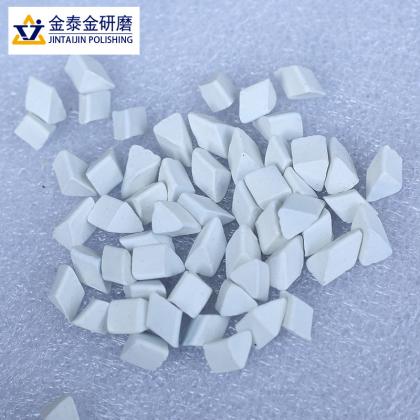
  • Pyramidal and Wedge Shapes: Aggressive penetration into blind holes, threaded apertures, keyways, splined shafts, gear tooth valleys, and complex internal passages requiring intensive cutting action and effective chip evacuation from recessed features.
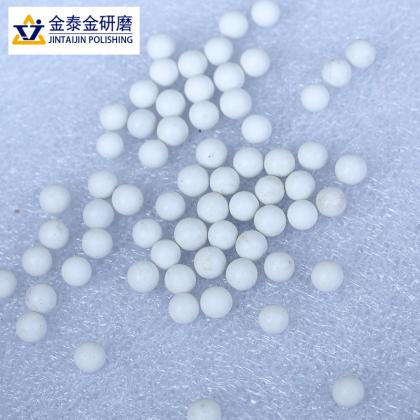
  • Spherical Media Elements: Universal application for flat surface burnishing, fillet radius polishing, general-purpose deburring, and generating uniform satin or matte surface textures on both planar and contoured workpiece geometries without preferential directional patterns.
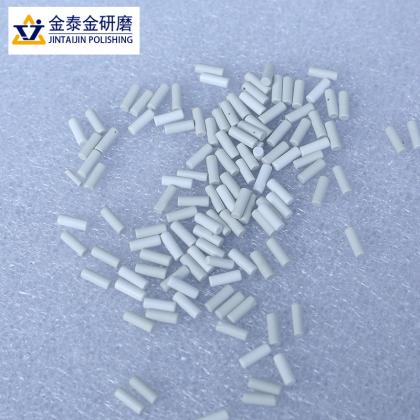
  • Cylindrical Pin Media: Maximum cutting efficiency for heavy stock removal, aggressive edge radiusing, rapid surface preparation, and processing large castings, forgings, or weldments requiring substantial material displacement and shortened cycle times.
  • Tapered Cone Configurations: Delicate component processing including thin-walled parts, soft materials, intricate decorative elements, and achieving refined surface finishes without inducing dimensional distortion, surface peening, or mechanical damage.
  • Angular Cut Profiles: Enhanced cutting performance combining aggressive material removal with superior access to part features, suitable for complex investment castings, permanent mold castings, and multi-axis CNC machined components with challenging geometric characteristics.
  • Custom Engineered Shapes: Application-specific geometries including stars, crosses, diagonal cuts, and specialty profiles designed for unique part configurations, proprietary finishing requirements, or optimizing process efficiency for high-value component manufacturing.

Dimensional Engineering and Scale Relationships:

Media dimensional specifications must correlate with workpiece feature scales following established engineering principles ensuring effective surface contact without lodging or entrapment. Precision micro-media (1-3mm) addresses miniature components including watch mechanisms, medical micro-instruments, electronic connector pins, and small-scale aerospace hardware. Mid-range production media (4-10mm) serves general manufacturing including automotive components, industrial valves, pump housings, and standard machined parts. Heavy-duty industrial media (12-25mm) processes large forgings, structural castings, weldments, and applications requiring maximum cutting aggression. Oversized specialty media (30-50mm) accommodates exceptionally large components, mining equipment parts, heavy construction machinery, and specialized industrial applications.

Mass Finishing Equipment Technologies and Automated Processing Systems

Ceramic media compounds achieve maximum process efficiency when deployed with purpose-engineered finishing equipment designed for industrial production requirements:
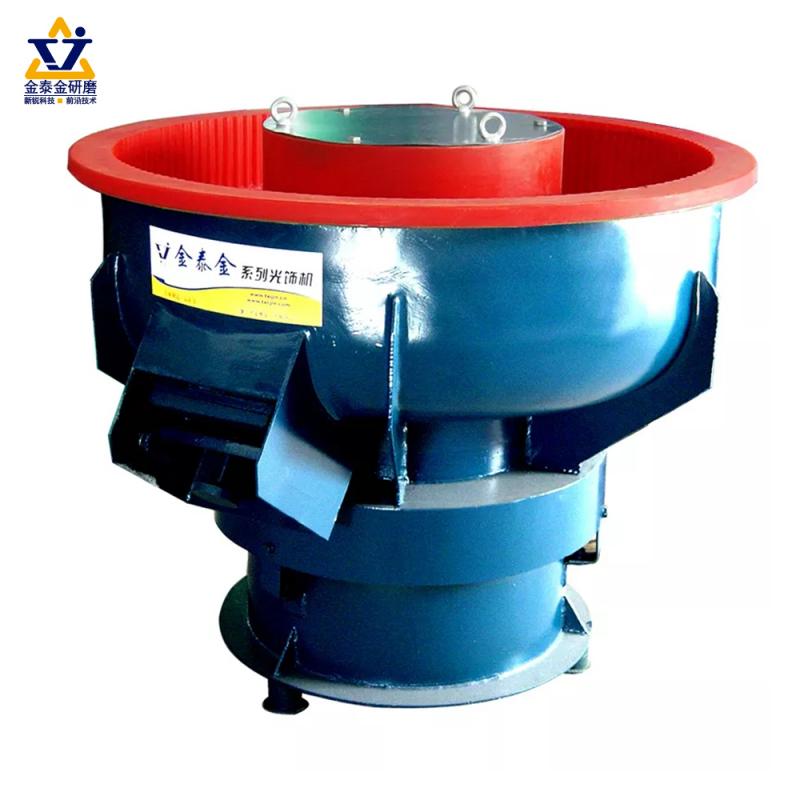
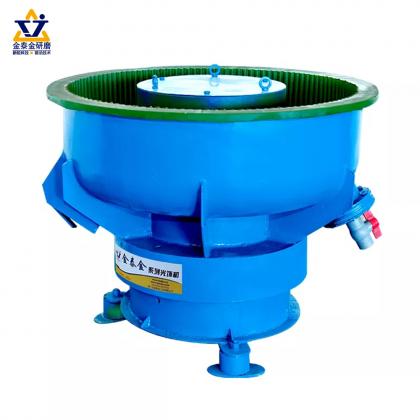
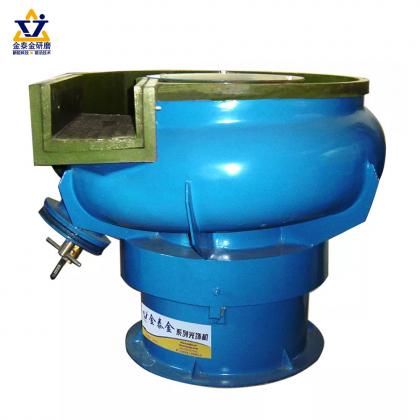
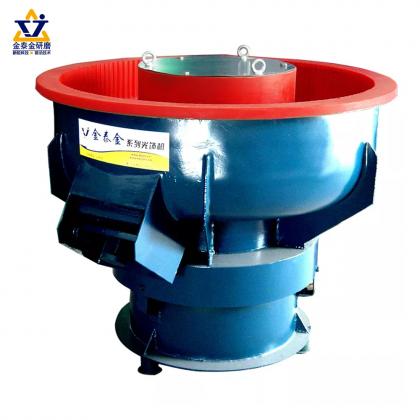
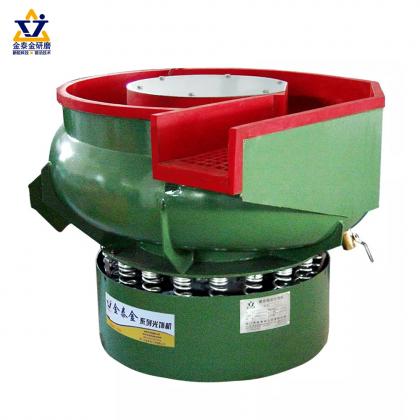
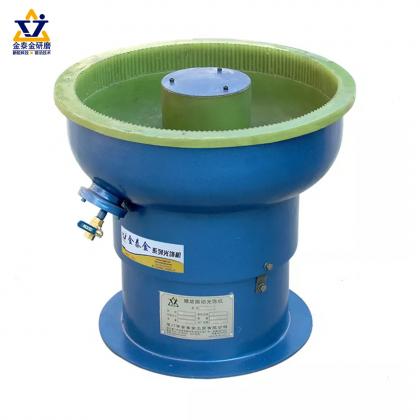
Tub Vibratory Finishing Equipment

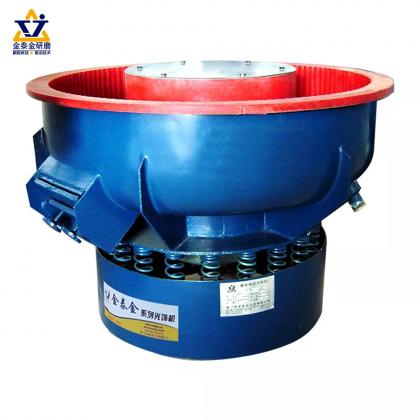
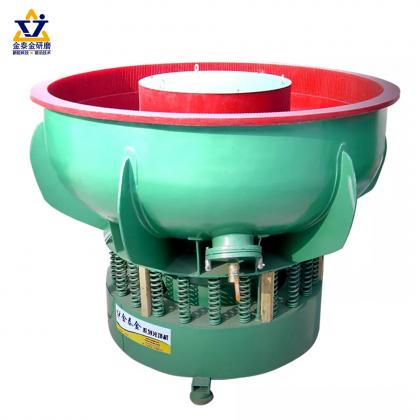
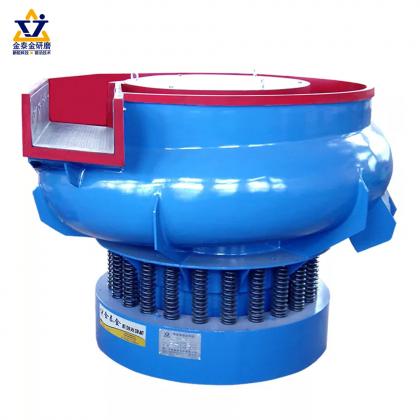
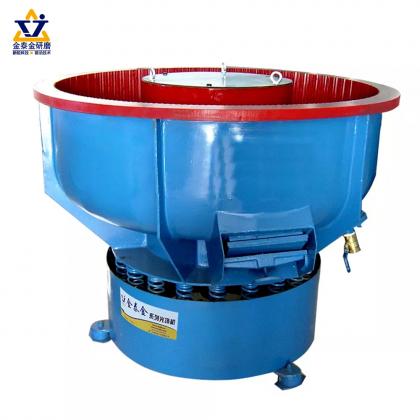
Tub Vibratory Processing System

Industrial-capacity vibratory tub equipment providing continuous processing capability, automated compound dosing, integrated separation systems, and programmable process control for lights-out manufacturing operations.
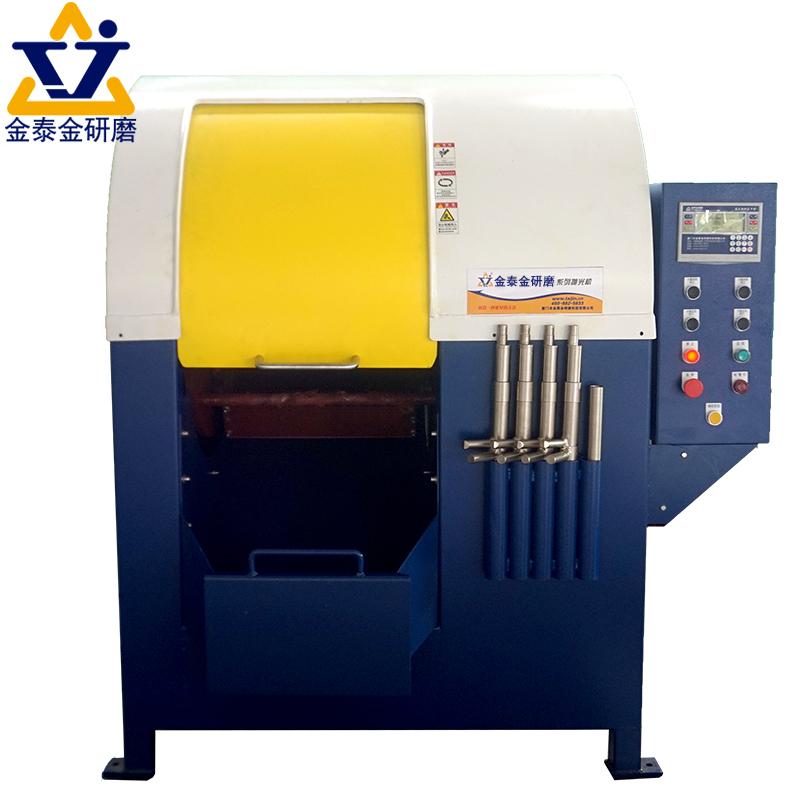
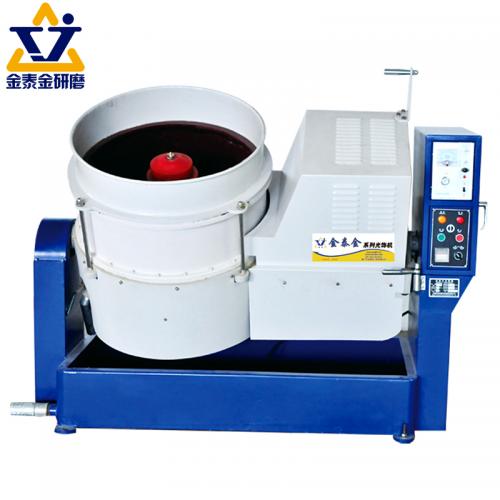
High-Energy Centrifugal Processing Equipment

Centrifugal Barrel Processing Machine

High-energy centrifugal technology generating accelerated finishing forces, drastically reduced processing times, enhanced surface brightness development, and superior productivity for critical aerospace and medical components.
Stream Finishing Through-Feed System

Stream Finishing Flow System

Continuous through-feed processing architecture enabling high-throughput production, automated part orientation, consistent media exposure, and integrated quality monitoring for lean manufacturing environments.
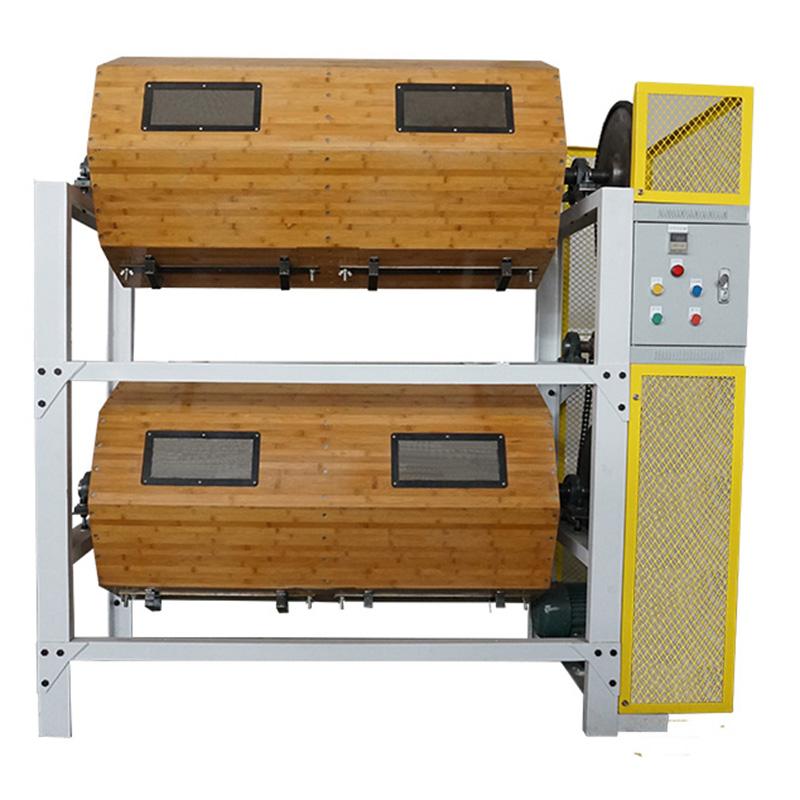
Industrial Rotary Barrel Tumbler

Rotary Barrel Tumbling Equipment

Economical batch tumbling technology for gentle deburring cycles, overnight processing runs, heat-treat scale removal, rust elimination, and producing consistent matte finishes on investment castings and sand castings.

Material Science and Performance Engineering Specifications

Advanced understanding of ceramic media material properties enables precision process engineering and predictable manufacturing outcomes:

  • Bulk Density Characteristics: Precision-sintered ceramic matrix achieving bulk densities spanning 1.8-2.2 g/cm³ (plastic-bonded), 2.3-2.7 g/cm³ (standard ceramic), and 2.8-3.5 g/cm³ (high-density alumina) optimizing kinetic energy delivery, media flow dynamics, and cutting efficiency across diverse equipment platforms.
  • Mohs Hardness Scale Rating: Aluminum oxide ceramic substrates delivering Mohs 8-9 hardness ratings enable effective processing of hardened steels, carbide tooling, case-hardened gears, nitrided surfaces, and heat-treated alloys without excessive media wear or premature friability.
  • Abrasive Grade Taxonomy: Comprehensive cutting classifications including VR (Very Rough - 120-180 grit equivalent), R (Rough - 180-220 grit), N (Normal - 220-320 grit), NF (Normal Fine - 320-400 grit), F (Fine - 400-600 grit), FF (Very Fine - 600-800 grit), and UF (Ultra Fine - 1000+ grit) for progressive finishing sequences.
  • Geometric Size Matrix: Complete dimensional portfolio from ultra-micro 0.5mm pin media through precision 1-5mm shapes, standard production 6-15mm geometries, heavy-duty 16-30mm configurations, to specialized 35-50mm large-format shapes addressing comprehensive application spectrum.
  • Process Chemistry Compatibility: Engineered resistance to acidic cleaners (pH 2-6), neutral detergents (pH 6-8), alkaline compounds (pH 8-12), soap-based burnishing agents, rust inhibitor formulations, and specialized chemistry including phosphate coatings and chromate conversion treatments.
  • Service Life Performance: Advanced ceramic bonding technology delivers 300-600 hour operational lifespans under typical production conditions, 3-5X longevity versus conventional abrasive media, reduced disposal costs, and sustained surface finish consistency throughout media lifecycle.
  • Temperature Stability Range: Thermal resistance enabling wet processing at elevated temperatures (40-60°C), compatibility with hot compound applications, thermal shock resistance during cleaning cycles, and dimensional stability preventing thermal expansion issues.
  • Porosity and Absorption: Controlled porosity levels (5-15%) facilitating compound retention, enhanced lubricity during processing, reduced part-on-part contact, and optimized slurry suspension characteristics for uniform surface treatment.

Advanced Process Engineering and Quality Control Optimization

Achieving world-class finishing results demands sophisticated process control integrating material science, equipment engineering, and statistical process monitoring:

Load Ratio Optimization

Engineer media-to-part volumetric loading between 1.5:1 (aggressive deburring) and 8:1 (delicate polishing) based on component fragility, surface finish requirements, and equipment characteristics. Implement statistical process control monitoring load consistency ensuring repeatable quality outcomes and preventing batch-to-batch variation.

Compound Chemistry Formulation

Select task-specific finishing compounds including aggressive cutting agents with aluminum oxide abrasives, burnishing detergents with surfactant packages, corrosion inhibiting formulations with VCI technology, descaling acids for oxide removal, and specialized additives for aluminum anodizing preparation or stainless steel electropolishing pre-treatment.

Cycle Time Engineering

Develop validated process recipes establishing cycle durations: 10-30 minutes for flash removal and edge break, 30-90 minutes for standard deburring operations, 1-4 hours for medium finish polishing, and 4-12 hours for mirror-finish applications achieving Ra < 0.1 micron surface roughness specifications.

Media Lifecycle Management

Establish preventive maintenance schedules including daily screening for oversized chips, weekly deep cleaning removing compound residues, bi-weekly media addition maintaining optimal cutting performance (15-25% fresh media replenishment), and quarterly complete media replacement preventing quality degradation and surface finish inconsistencies.

Process Water Control

Monitor aqueous system parameters including pH maintenance (7.0-9.5 optimal), water hardness adjustment (80-150 ppm ideal), conductivity measurement, temperature regulation (18-35°C processing range), and contamination removal through magnetic separation, centrifugal clarification, or multimedia filtration systems.

Equipment Parameter Tuning

Calibrate machine operating parameters including vibratory frequency adjustment (900-3600 VPM range), amplitude control affecting cutting intensity, rotation speed for barrel equipment (10-30 RPM typical), and centrifugal force generation (20-50 G-force) matching media characteristics and part processing requirements.

Sequential Processing Strategies

Implement multi-stage finishing protocols: Stage 1 - aggressive deburring with coarse media removing bulk material, Stage 2 - intermediate smoothing with medium-grade media refining surface texture, Stage 3 - fine polishing with ultra-fine media achieving target Ra values, and Stage 4 - burnishing with specialty compounds developing high-luster surfaces.

Quality Verification Protocols

Deploy comprehensive inspection methodologies including surface roughness profilometry (Ra, Rz, Rmax measurement), visual standards comparison, edge radius verification with optical comparators, dimensional inspection confirming tolerance maintenance, and adhesion testing for subsequent coating operations ensuring process validation and regulatory compliance.

Comprehensive Mass Finishing Technology Ecosystem and Related Solutions

Explore integrated finishing technologies, complementary processing solutions, and comprehensive surface treatment capabilities:

Ceramic Abrasive Product Range: Sintered alumina media, calcined aluminum oxide, white fused alumina, pink aluminum oxide, monocrystalline alumina, microcrystalline ceramic, zirconia alumina blends, silicon carbide black media, green silicon carbide, boron carbide specialty media, cerium oxide polishing compounds, chrome oxide buffing media, diamond abrasive suspensions, CBN superabrasive media

Organic and Synthetic Media: Polyester resin pyramids, acrylic cones, urethane triangles, nylon abrasive media, crushed pecan shells, apricot pit granules, cherry stone media, coconut shell chips, corn cob grit, ground wheat flour, rice hull ash, hardwood flour, pine sawdust, synthetic cork media, rubber deflashing media, cryogenic deflashing pellets

Metallic Finishing Media: Carbon steel shot, stainless steel cut wire, zinc shot burnishing, aluminum pellets, brass pins, copper nuggets, ceramic-coated steel, chrome-plated balls, hardened steel pins, spherical ball bearings, cylindrical steel pins, angular cut steel, stainless pyramids, magnetic media for ferrous parts

Mass Finishing Technologies: Vibratory bowl finishing, linear vibratory systems, circular vibratory equipment, rotary barrel tumbling, high-energy centrifugal finishing, centrifugal barrel machines, centrifugal disc finishers, spindle finishing equipment, drag finishing systems, stream finishing technology, through-feed deburring, belt finishing machines, disc finishing equipment, orbital finishing platforms

Surface Preparation Processes: Abrasive deburring, mechanical polishing, burnishing operations, edge radiusing, corner rounding, flash trimming, gate removal, sprue elimination, surface texturing, matte finishing, satin finishing, bright finishing, mirror polishing, lapping operations, honing processes, superfinishing, microfinishing techniques

Chemical Processing Compounds: Liquid deburring concentrates, powder abrasive compounds, soap-based burnishing agents, synthetic detergent cleaners, alkaline cleaning solutions, acidic descaling formulas, neutral pH detergents, rust preventative concentrates, corrosion inhibitor additives, aluminum brightening chemicals, stainless passivation treatments, zinc phosphate coating compounds, iron phosphate conversion, chrome-free treatments, silicate coatings

Post-Processing Operations: Ultrasonic cleaning, vapor degreasing, aqueous spray washing, immersion rinsing, hot air drying, centrifugal drying, thermal drying ovens, rust preventative application, temporary coating protection, electroplating preparation, anodizing pre-treatment, powder coating prep, liquid paint preparation, chromate conversion, phosphate coating

Quality Measurement Systems: Contact profilometry, optical profilometry, white light interferometry, confocal microscopy, SEM surface analysis, 3D surface mapping, gloss meters, reflectance spectroscopy, color measurement, edge radius gauges, optical comparators, coordinate measuring machines, vision inspection systems, automated sorting equipment

Specialized Industry Applications: Additive manufacturing post-processing, SLS powder removal, SLM support structure removal, binder jetting depowdering, metal injection molding deflashing, powder metallurgy sintered part finishing, die casting deflashing, investment casting cleanup, shell mold removal, sand casting cleaning, permanent mold finishing, low-pressure die casting, gravity die casting, squeeze casting, thixomolding cleanup, magnesium die casting, zinc HPDC, aluminum HPDC, brass forging finishing, steel forging descaling, hot stamping deburring, cold heading parts, screw machine products, Swiss lathe components, CNC turned parts, CNC milled components, 5-axis machined parts, EDM finishing, wire EDM recast removal, sinker EDM cleanup, laser cutting edge treatment, waterjet cutting deburring, plasma cutting cleanup, oxyfuel cut edge finishing, abrasive sawing burr removal, broaching operation cleanup, gear hobbing deburring, gear shaping finishing, spline cutting cleanup, thread rolling parts, cold forming components

Total Cost of Ownership and Economic Performance Analysis

Comprehensive cost analysis demonstrates ceramic media economic advantages over alternative finishing technologies:

  • Media Consumption Economics: Extended service life (300-600 hours) versus plastic media (100-200 hours) or organic media (50-100 hours) reduces annual media purchasing costs by 40-60% in high-volume production environments processing 10,000+ parts monthly.
  • Labor Cost Reduction: Automated processing cycles eliminate manual deburring labor ($25-45/hour fully burdened), reduce handling time, minimize inspection requirements, and enable operator multitasking managing multiple finishing machines simultaneously.
  • Consistency and Scrap Reduction: Repeatable process control eliminates rework costs, reduces quality escapes, minimizes customer returns, and prevents costly field failures associated with inadequate deburring or surface preparation.
  • Equipment Utilization: Overnight processing capability, weekend production runs, and lights-out manufacturing enable 24/7 equipment utilization maximizing capital investment ROI and facility throughput capacity.
  • Environmental Compliance: Reduced hazardous waste generation, lower VOC emissions versus solvent deburring, recyclable ceramic media disposal, and water recycling systems minimize environmental remediation costs and regulatory compliance expenses.
  • Energy Efficiency: Modern vibratory equipment consuming 0.5-3 kW versus manual grinding operations, optimized process cycles reducing run times, and efficient compound utilization lowering utility costs per processed part.

Workplace Safety Standards and Regulatory Compliance Framework

Comprehensive safety protocols and environmental management systems ensure compliant operations meeting international standards:

  • Hazard Communication: SDS library management, chemical inventory tracking, GHS-compliant labeling, employee right-to-know training, and hazard assessment documentation meeting OSHA 29 CFR 1910.1200 requirements.
  • Dust Exposure Control: Local exhaust ventilation (LEV) systems, baghouse dust collection, HEPA filtration units, respiratory protection programs (N95 minimum for dry tumbling), and silica exposure monitoring per OSHA crystalline silica standard.
  • Chemical Safety Management: Secondary containment for liquid compounds, acid/base segregation, chemical compatibility storage, spill response equipment, emergency eyewash stations, safety showers, and annual safety training certification.
  • Noise Reduction Engineering: Machine enclosures, acoustical paneling, vibration isolation mounting, sound-dampening lids, facility noise mapping, hearing conservation programs, and audiometric testing for employees with TWA exposures exceeding 85 dBA.
  • Ergonomic Engineering Controls: Pneumatic part dumping systems, hydraulic tilt mechanisms, scissor lift tables, adjustable work platforms, anti-fatigue matting, and ergonomic assessment programs reducing musculoskeletal disorder risks.
  • Machine Guarding Compliance: Interlocked safety covers, emergency stop systems, lockout/tagout procedures, machine-specific training, and compliance with ANSI B11 machinery safety standards and CE marking requirements for European markets.
  • Wastewater Management: pH neutralization systems, heavy metal precipitation, oil-water separation, clarifier tanks, effluent monitoring, discharge permits (NPDES), and compliance with Clean Water Act and local POTW requirements.
  • Waste Minimization: Spent media recycling programs, compound concentration optimization, water recycling systems achieving 90%+ recirculation, and documented waste reduction plans meeting ISO 14001 environmental management standards.

Expert Application Engineering and Process Development Services

Partner with our certified application engineers providing comprehensive technical support including complimentary process audits, media selection optimization, equipment specification guidance, compound chemistry recommendation, cycle time reduction analysis, quality troubleshooting expertise, operator training programs, and ongoing process improvement consultation ensuring maximum ROI from your mass finishing investment.

Contact our technical team for detailed engineering data, free sample media evaluation programs, on-site process trials, equipment demonstrations, certified test reports, and competitive OEM volume pricing with flexible delivery schedules supporting your production requirements.

Wet-Grinding Abrasive Media

Picture Product Name Specification (mm) Function (Wet-Grinding) Shape
VR R N NF F FF
Brown Fused Alumina Angle Cut Triangle Brown Fused Alumina
(Angle Cut Triangle)
3*3、4*4、6*6、8*8、10*10、
12*12、15*15、20*20、25*25、30*30
Angle Cut Triangle
Brown Fused Alumina Triangle Brown Fused Alumina
(Triangle)
3*3、4*4、6*6、8*8、10*10、
12*12、15*15、20*20、25*25、30*30
Triangle
Brown Fused Alumina Ball Brown Fused Alumina
(Ball)
2、4、6、8、10、12、15、20 Ball
Brown Fused Alumina Angle Cut Cylinder Brown Fused Alumina
(Angle Cut Cylinder)
2*4、3*6、4*8、5*10、6*12、8*16 Angle Cut Cylinder
Plastic Cone Green
Plastic Cone Orange
Plastic Cone Gray
Plastic Cone Yellow
Plastic (Cone) 5*5、6*6 Cone
8*8、10*10、12*12、15*15、
20*20、25*25、30*30、35*35、
40*40、45*45、50*50
8*8、10*10、12*12、15*15、
20*20、25*25、30*30、35*35、
40*40、45*45、50*50
8*8、10*10、12*12、15*15、
20*20、25*25、30*30、35*35、
40*40、45*45、50*50
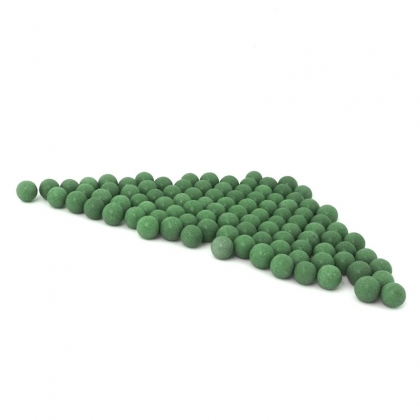
Ceramic Ball Ceramic (Ball) 2、4、6、8、10、12、15、20 Ball
Ceramic Angle Cut Triangle Ceramic (Angle Cut Triangle) 3*3、4*4、6*6、8*8、10*10、
12*12、15*15、20*20
Angle Cut Triangle
Alumina Porcelain Ball Alumina Porcelain (Ball) 2、4、6、8、10、12、15、20 Ball
Alumina Porcelain Triangle Alumina Porcelain (Triangle) 3*3、4*4、6*6、8*8、10*10、
12*12、15*15、20*20
Triangle
High-frequency Porcelain High-frequency Porcelain 1.3*3、1.5*5、2.5*8、3*10、4*14 Cylinder
Alumina Porcelain 3P Alumina Porcelain 3P 8#、12#、16#、24#、32#、36# Irregular
Alumina Porcelain 3P-1 Alumina Porcelain 3P-1 8#、12#、16#、24#、32#、36# Irregular

Dry-Grinding Abrasive Media

Picture Product Name Specification (mm) Function (Dry-Grinding) Shape
VR R M MF F FF
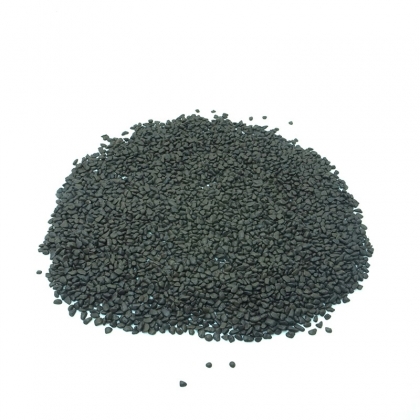
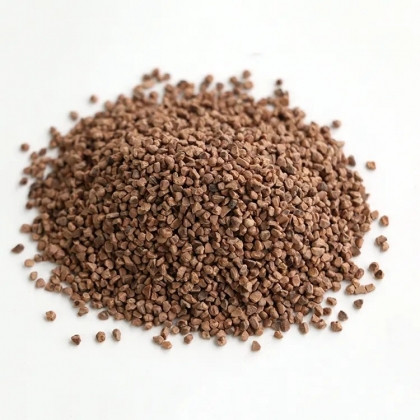
Walnut Shell Walnut Shell 8#、12#、16#、24#、32#、36#、80# Irregular
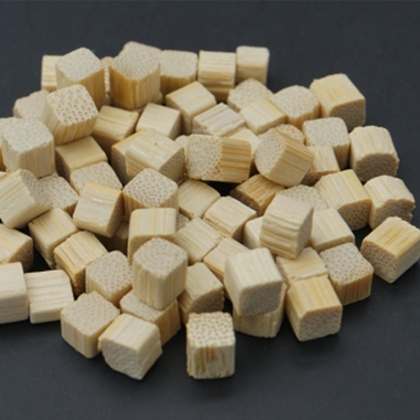
Wood Bullet Wood (Bullet) 0.5*2、0.5*2.5、0.5*3 Bullet
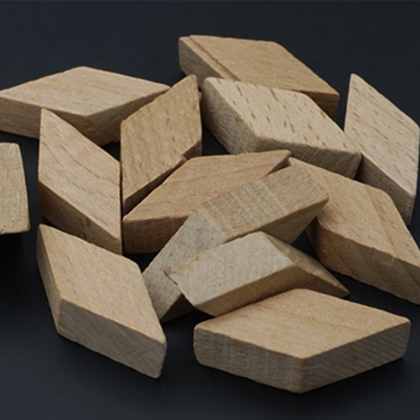
- Wood (Rhombus) 2*2、3*3 Rhombus
Wood Square Wood (Square) 6*6、7*7 Square
- Bamboo (Rhombus) 2*2、3*3 Rhombus
- Stone Powder Powder Powder

Grade Classification Legend: VR=Very Rough (Heavy Stock Removal); R=Rough (Aggressive Cutting); N=Normal (Standard Deburring); M=Medium (General Processing); NF=Normal Fine (Intermediate Finish); MF=Medium Fine (Pre-Polish Surface); F=Fine (High-Quality Surface); FF=Very Fine (Ultra-Smooth Finish)

Custom formulations, special geometries, and proprietary abrasive blends manufactured to customer specifications with minimum order quantities.

Technical support available including process audits, media trials, compound testing, and complete finishing system integration for optimized production performance.

Leave A Message
If you are interested in our products and want to know more details,please leave a message here,we will reply you as soon as we can.
Related Products
Cutting Ceramic Media
Cutting Ceramic Media Super Fast
Introducing our Ceramic Media - perfect for achieving high-quality finishes on metal parts. The durable ceramic material provides consistent and precise results, ideal for deburring, polishing, and finishing.
Read More
Cutting Ceramic Media
Ceramic Deburring Media Fast Cutting
Fast Cutting Ceramic Deburring Media is a high-quality abrasive material used for removing burrs from metal and other materials. This media is made of ceramic particles that have been designed to cut through tough materials quickly and efficiently. The fast cutting action of this ceramic media makes it an ideal choice for deburring applications where time is of the essence. This deburring media is also long-lasting and durable, ensuring that it will provide reliable results over an extended period of use. Choose Fast Cutting Ceramic Deburring Media for efficient and effective deburring of your materials.
Read More
Medium Ceramic Finishing Media
Ceramic Finishing Media Medium Cutting
Medium Cutting Ceramic Finishing Media is a durable and long-lasting abrasive material that provides a smooth and consistent finish on various materials. It's compatible with vibratory and rotary tumblers and suitable for cutting, polishing, deburring, and burnishing. Achieve a high-quality finish with ease.
Read More
Light Ceramic Finishing Media
Ceramic Finishing Media Light Cutting
Light Cutting Ceramic Finishing Media is a versatile and reliable solution for achieving a smooth finish on a variety of materials. This high-quality media is compatible with vibratory and rotary tumblers and can be used for cutting, polishing, deburring, and precision cutting. Suitable for use on metals, plastics, and ceramics, it provides a consistent and precise finish that will leave your workpieces looking their best.
Read More
Polishing ceramic media
Tumbling Media Polishing Ceramic
Achieve the perfect finish with our polishing ceramic tumbling media. Our high-density and multi-shaped media offer durable wear resistance and consistent surface finishes in mass finishing processes. These finishing solutions provide the ideal tool for polishing and deburring parts in any industry, from automotive to aerospace. Trust in our reliable and effective media to take your finishing process to the next level.
Read More
Fine Polishing Ceramic
Ceramic Finishing Media Fine Polishing
Achieve high-quality finishes with fine polishing ceramic finishing media. With consistent performance and shape-retaining power, these long-lasting media are perfect for precision finishing jobs and deburring applications. Use them with mass finishing equipment to take full advantage of their abrasive capability. Choose from a variety of sizes and shapes to fit your specific needs and get ready to achieve stunning results every time.
Read More
vibratory machine
600L 900L 1500L Vibratory Polishing Machine
The  rotary vibrator is wildly uesd for applications in different size,shape and materials including metal,plastic,ceramic,rubber stone and wood. It can be used for deburring,surface grinding,descaling,de-oiling,cleaning,radiusing and polishing of stampings,machine components,saw-cut,custom-ben,forgings andcastings."Vibration Wheel Polishing Machine""Deburring Barrel Polishing Machine"Deburring Machine""Vibration Polishing Machine For Metal" "Vibration Polishing Machine Wheels""Wheel Polishing Machine Vibrator""Automatic Deburing Polishing Machine" "Vibration Finishing Polishing Machine""Polishing Machine Polishing Machine""Polishing Deburring Machine""Surface Metal Polishing
Read More
1
OBD-35 Eco Hot Air Centrifugal Spin Dryer
Industrial Centrifugal Spin Dryer with Hot Air System | Post-Finishing Drying Equipment Centrifugal spin dryers, also referred to as hot air centrifugal dryers or industrial spin drying systems, are engineered to efficiently remove moisture, residual water, and processing fluids from a wide range of manufactured components following wet finishing operations. These systems operate by combining controlled thermal energy with high-speed centrifugal force to spin workpieces at elevated rotational speeds, allowing moisture to be rapidly extracted from component surfaces and collected in a separate drainage compartment. Our comprehensive product range includes two distinct configuration types -- Economy Type and Heavy-Duty Type -- each available in two capacity sizes: 35 kg and 70 kg. These versatile drying systems function effectively as independent standalone units or integrate seamlessly with existing vibratory finishing machines, centrifugal disc finishers, and tumbling equipment to establish a complete automated mass finishing production line. Professional Equipment Selection Assistance Uncertain about selecting the optimal centrifugal spin dryer and compatible drying media for your post-finishing application? Our technical specialists provide comprehensive consultation and complimentary quotation services tailored to your specific drying requirements. Key Engineering Features and Performance Characteristics Economy and Heavy-Duty Configurations Available in both economy-grade and heavy-duty industrial-grade configurations, each engineered to address specific production requirements. The economy models deliver reliable performance for standard applications, while heavy-duty variants are designed for continuous high-volume industrial drying operations with enhanced durability and extended service life Cost-Effective Drying and Deoiling Process Highly efficient thermal drying technology combined with centrifugal moisture extraction minimizes energy consumption while maximizing throughput. The integrated deoiling capability simultaneously removes residual processing oils, compounds, and fluids, eliminating the need for separate oil removal equipment Rapid Brake Pedal Safety System Precision-engineered mechanical brake system enables rapid deceleration and controlled basket stopping. The foot-operated brake pedal mechanism provides immediate response for enhanced operator safety and efficient loading/unloading cycles during high-speed drying operations Integrated Hot Air Heating System Built-in electric heating elements (1.8-3.0 kW) generate controlled hot air circulation within the drying chamber. Adjustable temperature management ensures optimal moisture evaporation rates while preventing thermal damage to heat-sensitive components and surface finishes Production Line Integration Designed for flexible deployment as a standalone drying unit or as an integrated component within automated mass finishing production lines. Compatible with vibratory bowls, centrifugal disc finishers, barrel tumblers, and media separation systems for seamless workflow continuity High-Speed Centrifugal Extraction Rotational speeds up to 655 RPM generate powerful centrifugal forces that rapidly extract moisture from component surfaces, internal cavities, and complex geometries. Effective removal of water, polishing compounds, cleaning solutions, and residual processing fluids Industrial Applications and Post-Processing Integration Industrial centrifugal dryers serve as essential post-processing equipment across numerous manufacturing sectors where rapid, efficient moisture removal and component drying are critical for maintaining production quality and throughput. Post-Vibratory Finishing Drying Rapid drying of components following wet vibratory finishing, tumbling operations, and mass polishing processes. Removes residual water, compounds, and processing solutions to prepare parts for subsequent operations Post-Washing Component Drying Efficient drying after parts washing, ultrasonic cleaning, aqueous degreasing, and rinsing operations. Prevents water spotting, staining, and corrosion formation on freshly cleaned surfaces Pre-Plating Surface Preparation Critical pre-coating drying ensuring complete moisture removal before electroplating, anodizing, powder coating, and painting operations. Prevents adhesion failures and coating defects caused by residual moisture Deoiling and Degreasing Applications Effective removal of machining oils, cutting fluids, coolants, and lubricant residues from machined components. Combined centrifugal and thermal action strips contaminants from complex part geometries Automotive and Aerospace Parts Precision drying of automotive fasteners, engine components, aerospace hardware, and structural parts requiring contamination-free surfaces for assembly or subsequent processing stages Medical Device and Electronics Drying Controlled-temperature drying for medical components, electronic hardware, precision instru...
Read More

#+86-592-2381506

Email : info@surface-polish.com

Headquarters address : No. 31, Xinchang Road, Xinyang Industrial Zone, Haicang District, Xiamen

click here to leave a message

Leave A Message
If you are interested in our products and want to know more details,please leave a message here,we will reply you as soon as we can.

Home

Products

whatsapp

contact