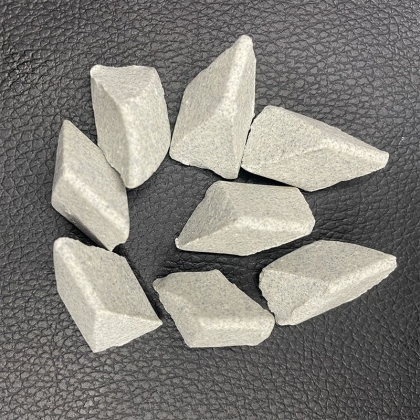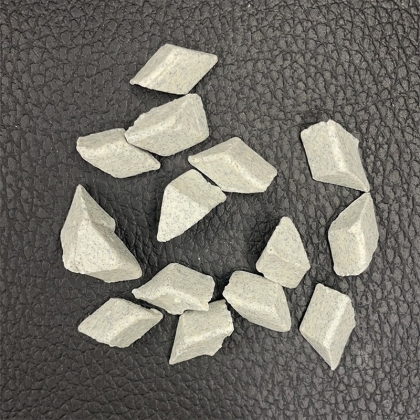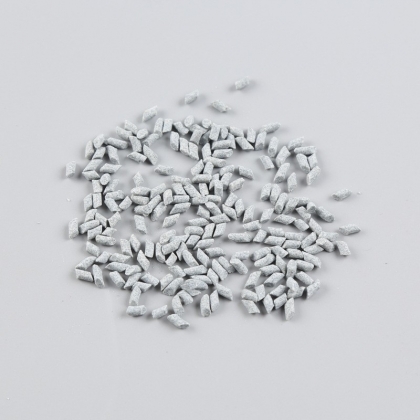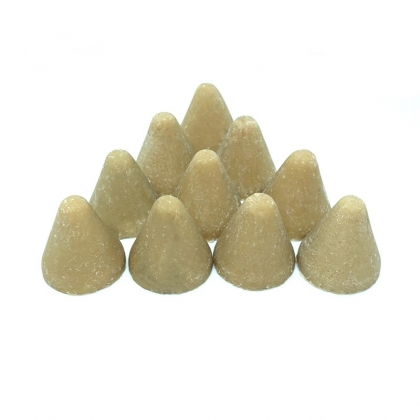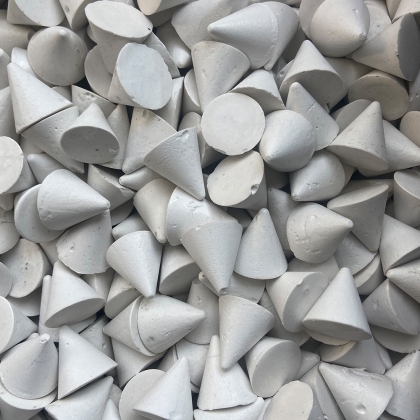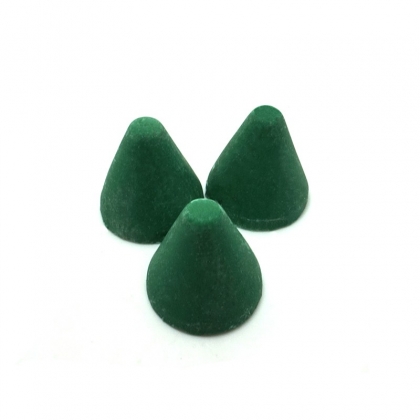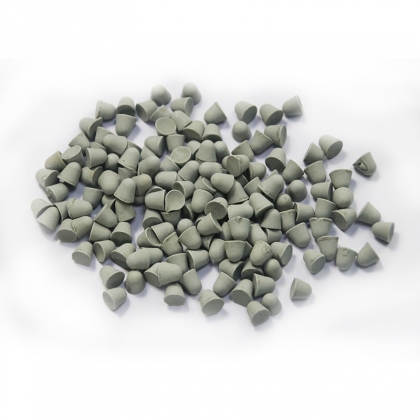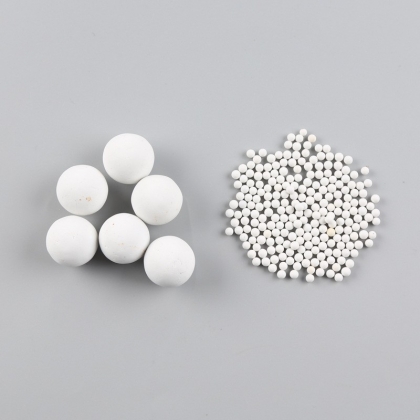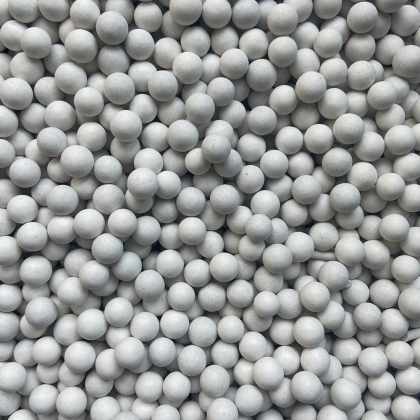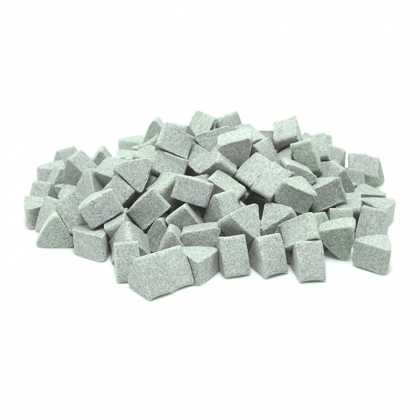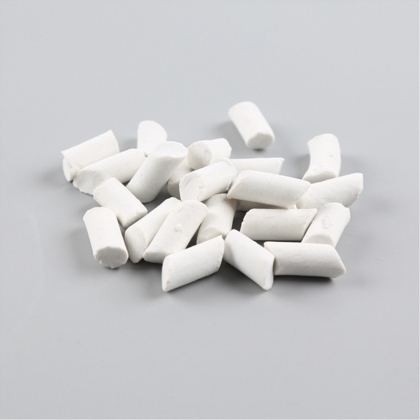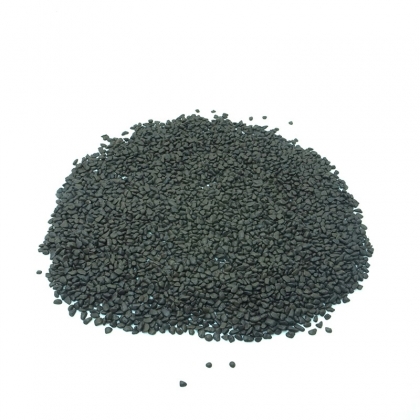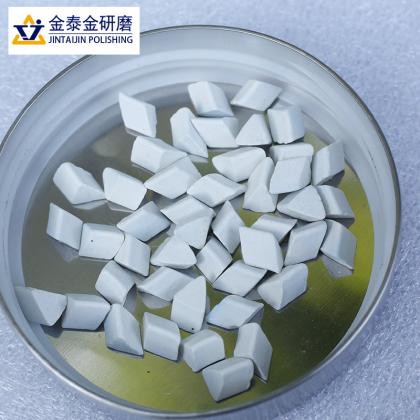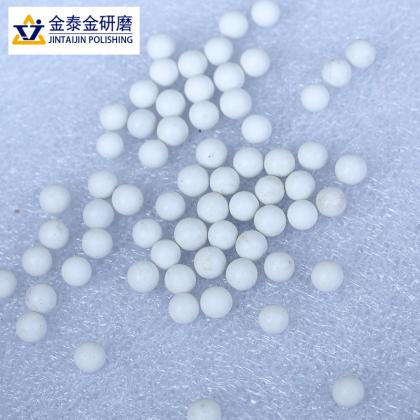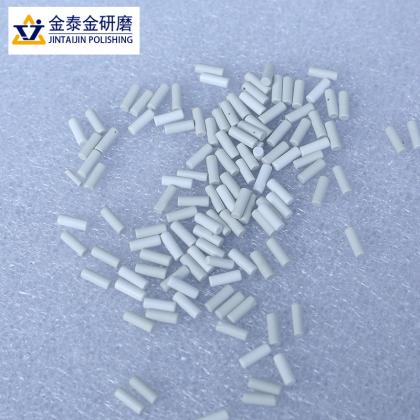
Ceramic Finishing Media Light Cutting

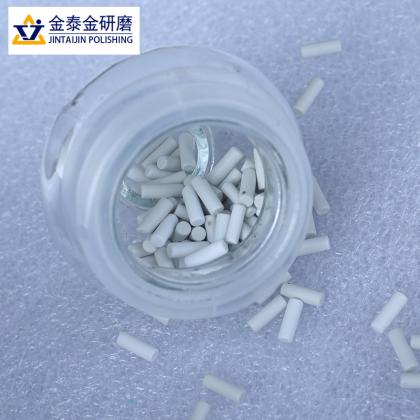
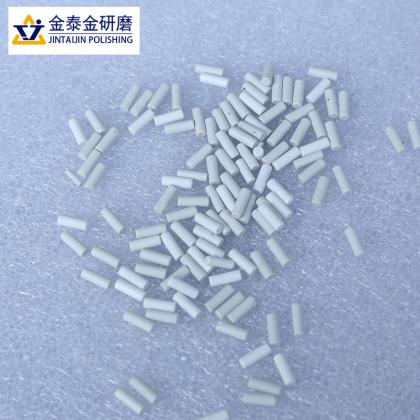
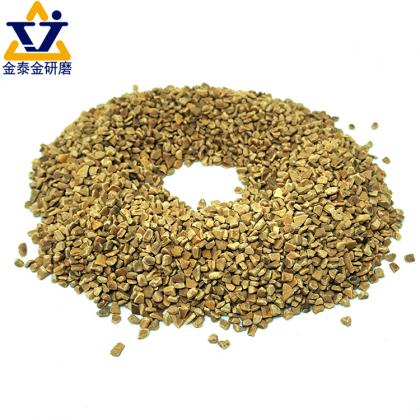
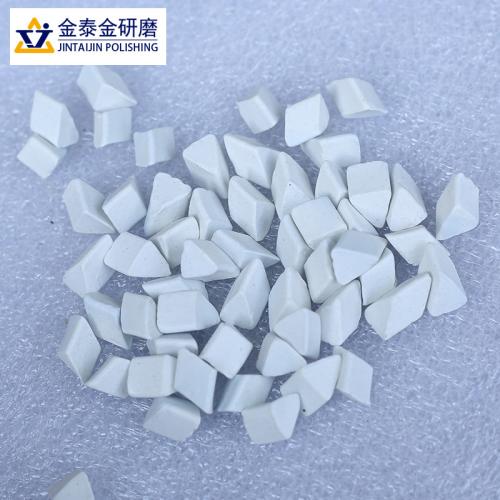
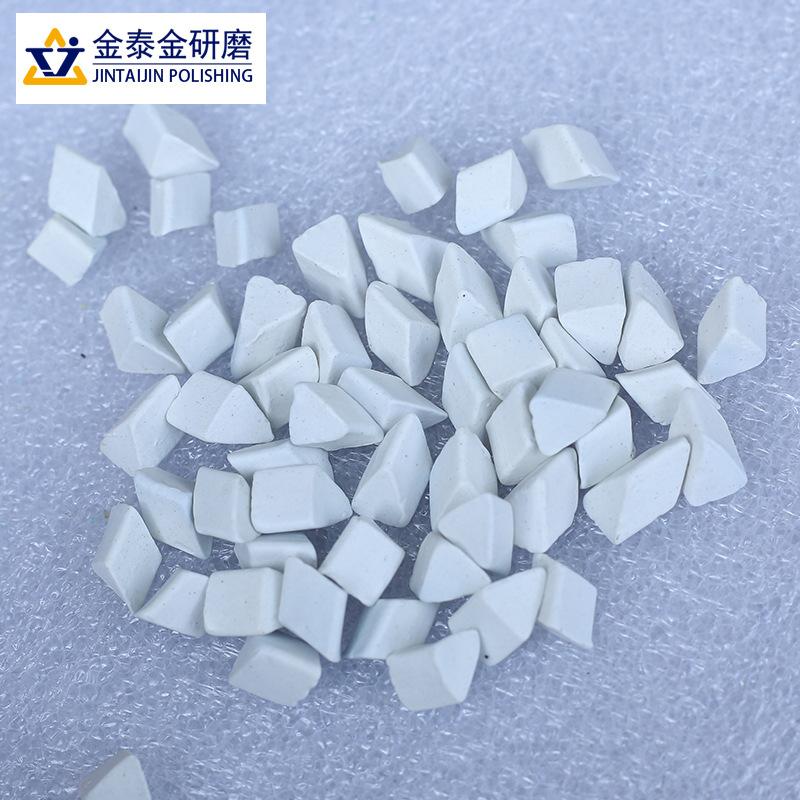
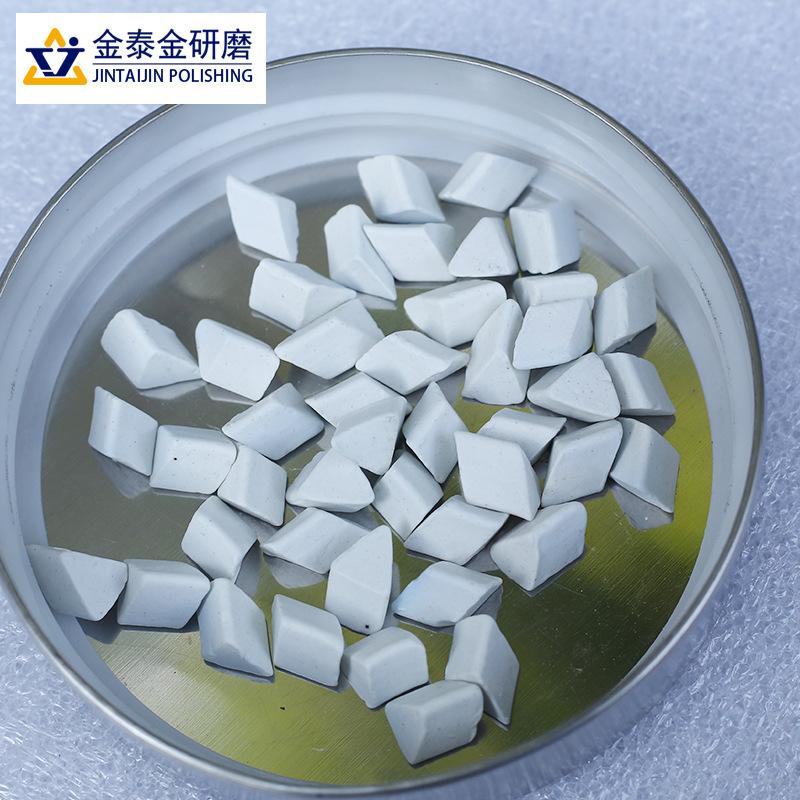
Light Cutting Ceramic Finishing Media is a versatile and reliable solution for achieving a smooth finish on a variety of materials. This high-quality media is compatible with vibratory and rotary tumblers and can be used for cutting, polishing, deburring, and precision cutting. Suitable for use on metals, plastics, and ceramics, it provides a consistent and precise finish that will leave your workpieces looking their best.

  • Item NO.:

    Light Cutting Cerami
  • Payment:

    T/T, L/C, Western Union,Money Grain
  • Product Origin:

    Xiamen China
  • Shipping Port:

    xiamen
  • Lead Time:

    30 days
  • Product Detail

High-Performance Ceramic Polishing Media: Engineered Solutions for Precision Surface Finishing

Engineered ceramic polishing media represents a critical enabling technology for advanced manufacturing surface finishing operations. Available across extensive shape portfolios, precision-graded size ranges, and performance-optimized abrasive formulations, these technical finishing materials deliver superior results in metal component polishing, plastic part surface enhancement, and precision-machined workpiece treatment applications. Premium-grade ceramic compounds integrate seamlessly with tumbling barrel equipment, bowl vibratory finishers, disc centrifugal machines, and through-feed processing systems while demonstrating validated performance across aluminum aerospace components, brass plumbing fixtures, stainless medical devices, copper electrical connectors, and zinc automotive hardware applications.

Delivering exceptional finishing quality requires comprehensive analysis of application-specific variables and strategic process design. Critical engineering factors include workpiece size parameters, feature complexity evaluation, material hardness characteristics, pre-finish surface topology, and specification-driven quality targets. Whether addressing casting flash removal, machining burr elimination, weld spatter cleanup, heat-treat scale descaling, or achieving mirror-class surface brightness, engineered ceramic media provides validated reliability and documented process repeatability for critical manufacturing applications demanding zero-defect quality standards and statistical process control.

Technological Advantages of Engineered Ceramic Abrasive Systems

  • Controlled Surface Modification: Advanced ceramic matrix technology enables precise material removal control, predictable edge radius formation, and consistent surface roughness achievement across production volumes exceeding 100,000 parts annually.
  • Universal Equipment Compatibility: Proven integration with horizontal spindle machines, centrifugal barrel systems, reciprocating tub finishers, round bowl vibrators, linear trough equipment, continuous processing lines, and custom-engineered specialty finishing platforms.
  • Broad Substrate Applicability: Documented success finishing hardened carbon steels, heat-treated alloy steels, precipitation-hardened stainless grades, aluminum castings and extrusions, brass screw machine products, phosphor bronze springs, beryllium copper contacts, magnesium die castings, titanium aerospace parts, plus engineering polymers including PEEK, Delrin, Teflon, Ultem, and carbon-fiber composites.
  • Enhanced Process Economics: High-density sintered construction provides 400-800 hour operational lifespan under continuous production conditions, reduces per-part processing costs, minimizes consumable material expenses, and lowers total cost of ownership versus alternative abrasive technologies.
  • Precision Defect Removal: Systematically eliminates laser cutting dross, plasma arc oxidation, waterjet cutting striations, punching shear burrs, milling cutter marks, turning tool marks, grinding burn marks, and wire EDM recast while preserving critical dimensions within ±0.001" tolerances on precision components.

Target Market Sectors and Specialized Finishing Applications

Ceramic media technology delivers mission-critical surface finishing capabilities supporting diverse industrial sectors with stringent quality requirements and specialized processing needs:

  • Automotive Component Suppliers: Production-scale finishing of camshafts, crankshaft journals, connecting rod bearings, piston pins, valve lifters, rocker arms, timing chain components, fuel pump housings, ABS sensor brackets, throttle bodies, EGR valve assemblies, and achieving Ra 0.4-0.8 micron surface specifications for high-performance engine components.
  • Aerospace Manufacturing Operations: Flight-critical deburring of compressor discs, turbine shrouds, combustion chamber liners, fuel nozzle bodies, actuator housings, airframe fittings, wing attachment hardware, avionics mounting brackets, and satisfying NADCAP AC7004 finishing requirements plus Boeing BAC5730, Airbus AIMS specifications.
  • Medical Device Manufacturing: Validated cleaning processes for arthroscopic shavers, laparoscopic instruments, biopsy forceps, surgical drill bits, reamer tools, bone plates, intramedullary nails, spinal pedicle screws, hip stem implants, knee replacement components requiring ISO 13485 process validation and FDA 21 CFR Part 11 electronic records compliance.
  • Luxury Jewelry Manufacturing: Artisan-quality finishing of designer ring castings, intricate pendant frames, chain link components, clasp mechanisms, earring posts, brooch findings, cufflink bodies, and developing brilliant mirror finishes on 10K, 14K, 18K, 22K gold alloys, 925 sterling silver, 950 platinum, and palladium white gold jewelry pieces.
  • Electronic Connector Manufacturing: High-precision deburring of USB Type-C shells, Lightning connector housings, HDMI port bodies, DisplayPort assemblies, D-sub backshells, circular connector bodies, coaxial adapters, fiber optic ferrules, and preparing surfaces for gold electroplating, silver plating, tin-lead plating, or nickel underplate operations.
  • Industrial Fastener Production: Automated mass finishing of Grade 5 hex bolts, Grade 8 socket head screws, 12.9 metric fasteners, A490 structural bolts, self-drilling tek screws, thread-cutting screws, prevailing-torque locknuts, split lock washers, Belleville spring washers, and achieving Class 2A/2B thread tolerances with uniform zinc plating, galvanized coating, or black oxide finishes.
  • Cutting Tool Manufacturing: Edge preparation of solid carbide end mills, indexable insert pockets, drill bit flute polishing, reamer blade honing, tap chamfer finishing, broach tooth conditioning, and achieving specified edge radii (0.002"-0.010") critical for tool life optimization and workpiece surface quality in high-speed machining operations.
  • Fluid Power Component Manufacturing: Precision finishing of hydraulic valve bodies, proportional valve spools, servo valve torque motors, pneumatic cylinder barrels, air logic valve manifolds, flow control cartridges, pressure relief poppets, and maintaining surface cleanliness levels meeting ISO 16232 particulate contamination standards for aerospace hydraulic systems.
  • Firearms and Ammunition Manufacturing: Deburring of rifle bolt carriers, pistol slide rails, trigger assemblies, magazine bodies, barrel extensions, muzzle devices, scope mount bases, and preparing surfaces for Cerakote ceramic coating, Parkerizing manganese phosphate, hard chrome plating, or nitride surface hardening treatments.

Systematic Engineering Framework for Media Selection and Process Development

Achieving optimal finishing performance requires structured engineering methodology integrating tribology principles, surface science fundamentals, and empirical process validation:

Media Geometry Selection Matrix and Performance Characteristics:

  • Tri-Star and Multi-Point Shapes: Maximum contact point density enabling superior performance in cross-drilled holes, intersecting bores, helical gear teeth, internal splines, acme threads, and achieving thorough cleaning in complex casting core passages where conventional shapes demonstrate limited accessibility.
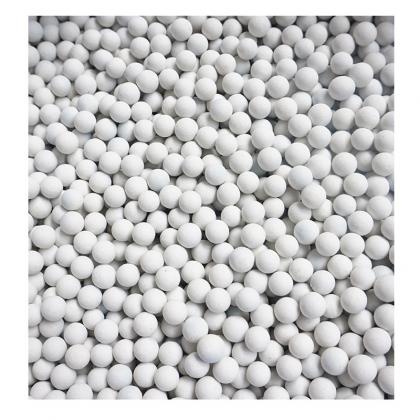
  • Spherical Ball Geometries: Isotropic cutting characteristics producing non-directional surface textures ideal for optical component substrates, mold cavity polishing, mirror-finish decorative applications, and minimizing preferential grain orientation effects on subsequent anodizing, plating, or painting operations.
  • High-Density Cylinder Pins: Superior mass-to-surface ratio delivering maximum kinetic energy transfer, aggressive stock removal rates exceeding 0.005" per hour on difficult materials, and shortened cycle times for foundry casting cleanup, forged part descaling, and heavy weldment finishing applications.
  • Precision Cone Profiles: Controlled taper geometry enabling gentle processing of thin-walled stampings (0.020"-0.060" thickness), delicate wire forms, miniature spring components, fragile electronic parts, and achieving refined surface finishes without mechanical deformation, work hardening, or stress concentration.
  • Wedge and Diagonal Geometries: Optimized cutting edge presentation delivering 30-50% faster material removal versus standard shapes on challenging applications including investment cast turbine blades, lost-wax jewelry castings, precision MIM components, and complex 5-axis CNC machined aerospace structures.
  • Application-Engineered Custom Profiles: Proprietary geometries developed through finite element analysis, computational fluid dynamics modeling, and extensive empirical testing addressing unique customer requirements including pharmaceutical tablet punches, extrusion die profiles, plastic injection mold details, and specialized tooling applications.

Size Specification Engineering and Dimensional Scaling Principles:

Proper media-to-workpiece size correlation follows established engineering guidelines ensuring optimal surface contact density without geometric interference or feature lodging. Ultra-precision micro media (0.5-2mm) supports Swiss-type screw machine parts, micro-medical devices, semiconductor manufacturing components, and miniature electronic assemblies. Fine precision media (3-6mm) addresses watch and clock components, small aerospace fasteners, dental implant components, and jewelry findings. Standard production media (8-14mm) serves automotive powertrain parts, general industrial valves, pump impellers, and commercial hardware. Large industrial media (16-28mm) processes structural steel weldments, mining equipment components, heavy construction machinery parts, and oil field drilling equipment. Extra-large specialty media (32-60mm) accommodates shipbuilding components, power generation turbine parts, large forging cleanup, and specialized heavy industrial applications.

Advanced Processing Equipment Infrastructure and Automation Integration

Engineered ceramic media delivers peak processing efficiency when integrated with advanced finishing equipment featuring process control automation and quality monitoring systems:
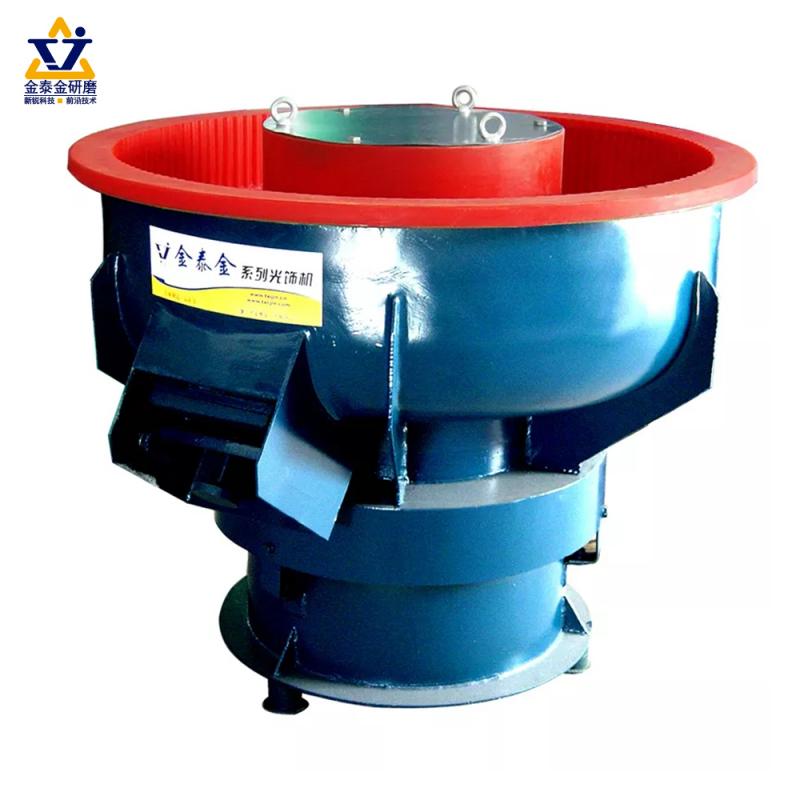
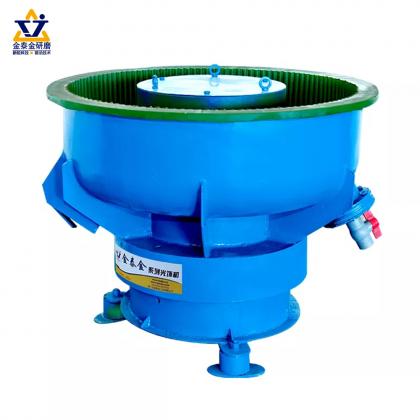
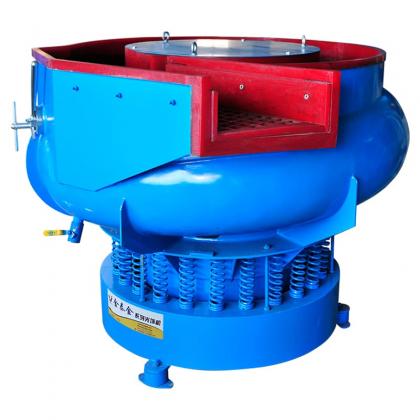
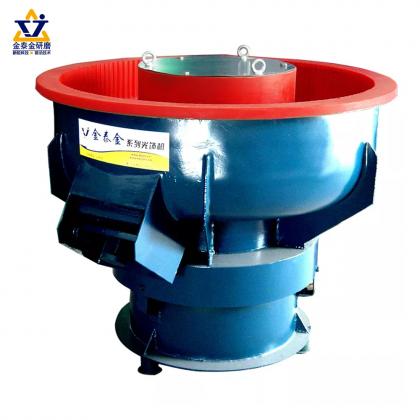
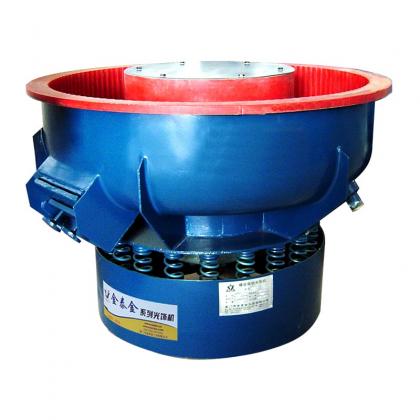
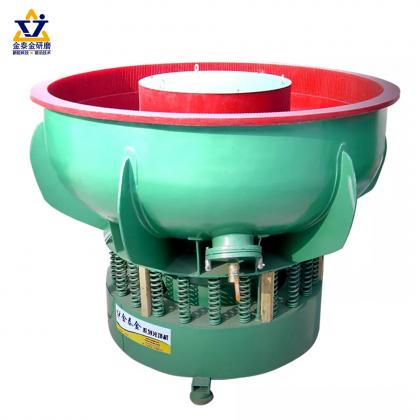
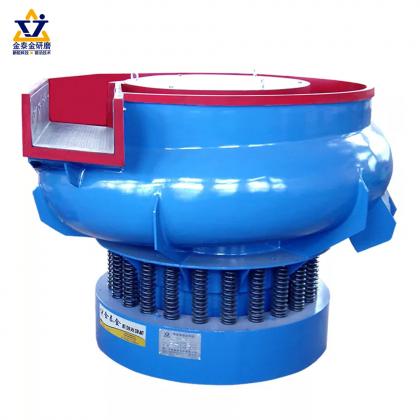
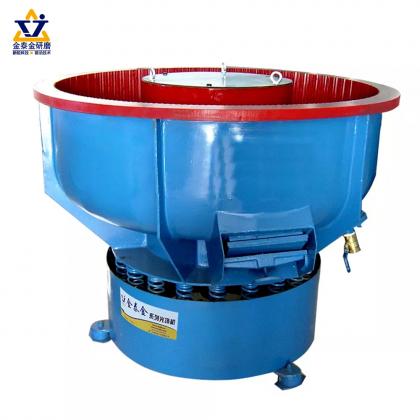
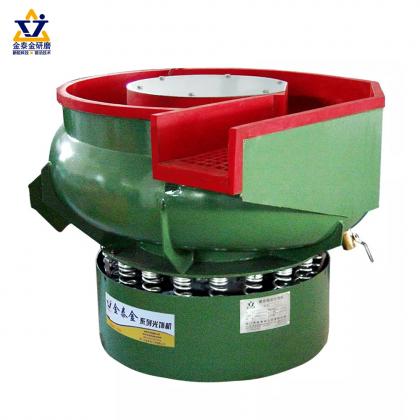
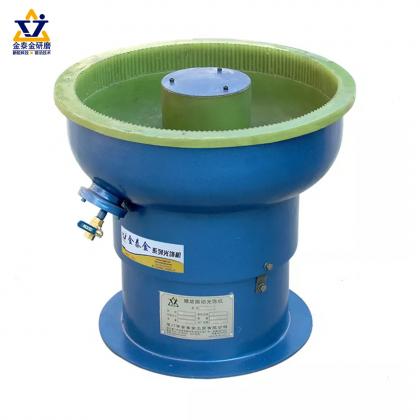
Round Bowl Vibratory Finishing Machine

Round Bowl Vibratory Finisher

High-efficiency circular bowl design featuring toroidal media circulation patterns, programmable frequency control, automatic compound injection, integrated part separation, PLC process monitoring, and Industry 4.0 connectivity for predictive maintenance scheduling.
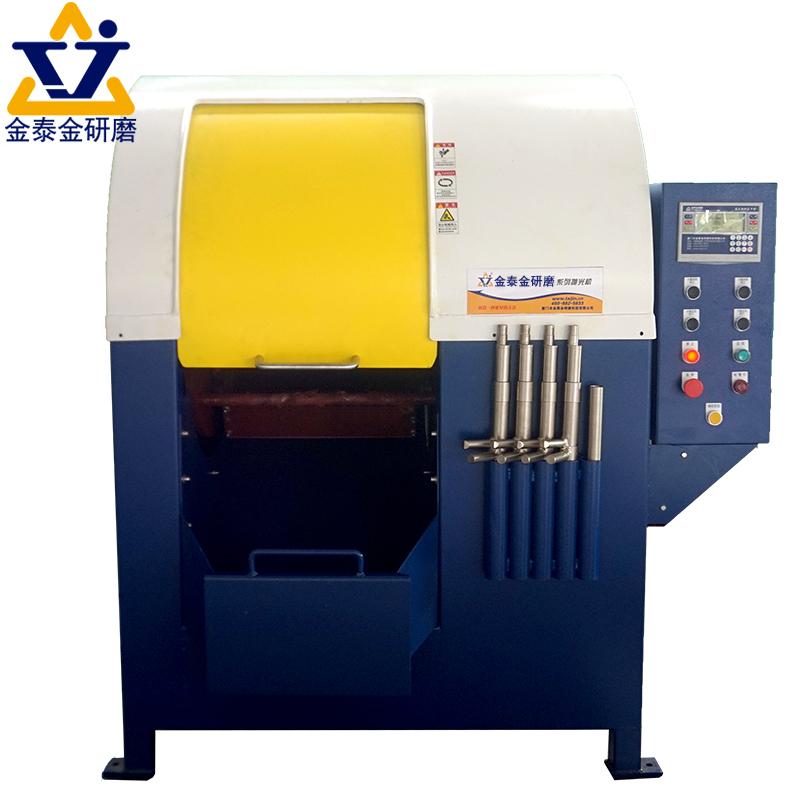
Disc Centrifugal Finishing Machine

Disc Centrifugal Finishing Equipment

Ultra-high-energy centrifugal processing generating 30-60 G-forces, accelerated finishing cycles (5-15 minute typical), exceptional surface brightness development, noise-dampened enclosures, and ideal for aerospace titanium components and medical implant polishing.
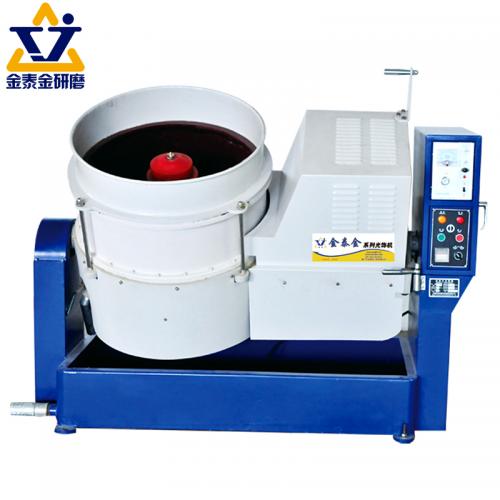
Drag Finishing Through-Feed Machine

Drag Finishing Continuous System

Innovative rotating fixture technology enabling controlled part orientation, directional finishing, selective edge treatment, continuous throughput processing, barcode tracking integration, and real-time SPC data collection for aerospace quality documentation requirements.
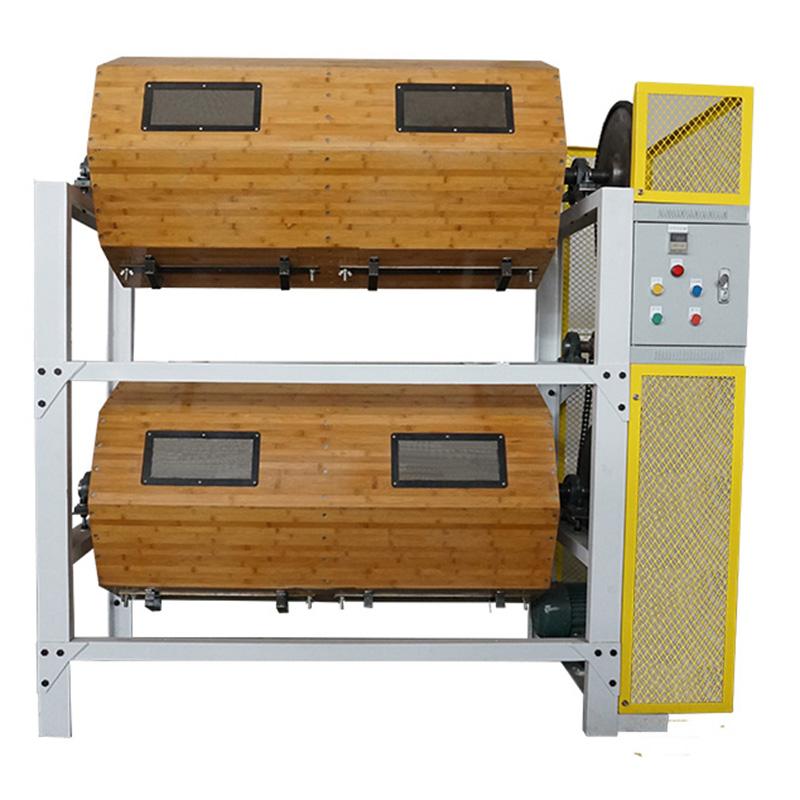
Dual Barrel Tumbling System

Multi-Barrel Tumbling Platform

Cost-optimized batch processing featuring dual or quad barrel configurations, independent rotation control, programmable timer systems, gentle cascading action for delicate components, and overnight unattended operation for maximum equipment utilization.

Advanced Material Science and Performance Engineering Data

Deep understanding of ceramic media material science principles enables precise process engineering and predictable quality outcomes:

  • Ceramic Matrix Composition: Precision-blended formulations incorporating 60-95% aluminum oxide (Al₂O₃), bonding agents including feldspar and kaolin clay, sintering additives controlling porosity, and optional performance enhancers such as zirconium oxide (ZrO₂) for increased toughness or silicon carbide (SiC) for enhanced cutting aggression on difficult materials.
  • Knoop Hardness Measurements: Certified hardness values ranging 700-1200 HK (Knoop) enabling effective processing of precipitation-hardened 17-4PH stainless (HRC 38-42), nitrided tool steels (HRC 60-70), carbide cutting inserts (HRA 90-93), and ceramic substrates while maintaining stable wear rates and consistent cutting performance.
  • Grit Designation Standards: Comprehensive abrasive classification system aligned with FEPA (Federation of European Producers of Abrasives) and ANSI (American National Standards Institute) grit standards: P80-P120 (extra coarse), P150-P180 (coarse), P220-P280 (medium), P320-P400 (fine), P600-P800 (very fine), P1000-P1200 (extra fine), and P1500-P2500 (ultra-fine mirror polishing).
  • Dimensional Tolerance Control: Manufacturing quality systems maintaining ±5% size tolerance on precision media (≤6mm), ±8% on standard production media (8-20mm), and ±10% on large industrial media (>20mm) ensuring consistent process performance, predictable media flow dynamics, and uniform surface contact distribution across workpiece populations.
  • Surface Treatment Compatibility: Engineered chemical resistance withstanding exposure to acidic pickling solutions (HCl, H₂SO₄, HNO₃), alkaline cleaners (sodium hydroxide, potassium hydroxide), chelating agents (EDTA), surfactant packages, corrosion inhibitors (sodium nitrite, benzotriazole), and specialty finishing chemicals including brighteners, complexing agents, and proprietary formulations.
  • Operational Longevity Metrics: Documented service life performance: 200-400 hours (aggressive deburring applications), 400-600 hours (standard finishing operations), 600-1000 hours (fine polishing processes), with friability rates <2% per 100 operating hours and stable cutting performance maintaining ±10% material removal consistency throughout media lifecycle.
  • Thermal Performance Envelope: Operational temperature range -20°C to +80°C supporting cryogenic deflashing operations, ambient temperature processing, heated compound applications (45-60°C optimal for some chemistry), and thermal cycling resistance preventing crack propagation or dimensional instability during temperature fluctuations.
  • Porosity Engineering: Controlled open porosity levels (3-12% by volume) optimizing compound absorption for enhanced lubricity, facilitating contamination flushing during rinse cycles, enabling capillary action drawing fresh compound to cutting surfaces, and balancing media density requirements with process chemistry interaction.
  • Bulk Flow Characteristics: Angle of repose measurements (30-40° typical) ensuring proper media circulation in vibratory equipment, avalanche flow patterns in rotary barrels, centrifugal force distribution in disc machines, and preventing media bridging, dead zones, or segregation by size in mixed-media formulations.

Advanced Process Control Strategies and Quality Assurance Protocols

World-class surface finishing operations implement sophisticated process control integrating Six Sigma methodology, lean manufacturing principles, and advanced quality systems:

Statistical Load Optimization

Deploy Design of Experiments (DOE) methodology establishing optimal media-to-part ratios across process windows: 2:1-3:1 for aggressive deburring maximizing part impingement, 4:1-6:1 for general finishing balancing efficiency with surface quality, 8:1-12:1 for fine polishing minimizing part contact. Monitor weight-based loading via calibrated scales (±0.1 lb accuracy) and implement control charts tracking load consistency ensuring Cpk >1.33 process capability.

Chemistry Management Systems

Implement automated compound dosing systems with precision peristaltic pumps, concentration monitoring via conductivity meters or titration analysis, pH control (±0.2 units) through feedback loops, temperature regulation using heat exchangers or immersion heaters, and documented change-over procedures when transitioning between different finishing chemistry families preventing cross-contamination and ensuring batch-to-batch consistency.

Process Recipe Development

Establish documented process control plans specifying: media type and size, load quantity (parts and media weight), compound type and concentration, water volume and quality parameters, equipment settings (frequency, amplitude, rotation speed), cycle duration with inspection intervals (25%, 50%, 75%, 100%), acceptance criteria (edge radius, surface roughness Ra/Rz, visual standards), and change-over protocols. Validate recipes through process capability studies (minimum 30-piece sample size) achieving Ppk >1.67.

Predictive Media Management

Deploy media lifecycle tracking systems monitoring: cumulative operating hours, total part throughput, size degradation via screen analysis, shape retention through visual inspection, cutting performance validation using standard test pieces, contamination levels (metallic fines, compound buildup), and scheduling preventive additions (15-20% fresh media biweekly) plus complete changeouts before quality degradation. Maintain media inventory using Kanban systems ensuring JIT availability without excess carrying costs.

Water Treatment Infrastructure

Install comprehensive water management featuring: inlet filtration (5-25 micron), pH neutralization reactors, heavy metal precipitation tanks, clarifier/settling basins, multimedia filtration systems, oil coalescers for tramp oil removal, conductivity monitoring, discharge compliance testing (weekly minimum), recirculation loops achieving 85-95% water reuse, and evaporative concentrators or membrane systems for zero liquid discharge operations meeting stringent environmental regulations.

Equipment Calibration Programs

Establish calibration schedules for: vibratory frequency verification (digital tachometer, quarterly), amplitude measurement (dial indicator, semi-annual), timer accuracy validation (stopwatch comparison, annual), load cell linearity (certified weights, annual), pH probe calibration (buffer solutions, monthly), conductivity meter standardization (calibration standards, monthly). Maintain calibration records satisfying ISO 9001 quality system requirements and customer-specific supplier quality manual specifications.

Multi-Stage Process Sequencing

Design progressive finishing sequences: Stage 1 - Heavy deburring (coarse ceramic, aggressive compound, 20-45 min) removing bulk material and major defects; Stage 2 - Intermediate smoothing (medium ceramic, balanced compound, 45-90 min) refining surface texture; Stage 3 - Pre-polish conditioning (fine ceramic, mild abrasive compound, 1-2 hours) developing uniform base finish; Stage 4 - Final polishing (ultra-fine ceramic or porcelain, burnishing soap, 2-6 hours) achieving target Ra values; Stage 5 - Optional burnishing (steel media, non-abrasive compound) for maximum brightness.

Comprehensive Quality Inspection

Implement multi-parameter inspection protocols: Surface roughness measurement (portable profilometer, Ra/Rz/Rmax values), edge radius verification (optical comparator with certified masters, 20X-100X magnification), dimensional validation (micrometers, calipers, CMM for critical features), visual examination (lighting booth, approved limit samples), cleanliness verification (black light inspection, white glove test, particle extraction per ISO 16232), adhesion testing for subsequent coatings (tape test, cross-hatch test), and corrosion resistance validation (salt spray per ASTM B117).

Comprehensive Surface Finishing Technology Ecosystem and Process Integration

Discover integrated finishing technologies, complementary surface treatment processes, and comprehensive manufacturing solutions:

Advanced Ceramic Media Portfolio: Calcined alumina triangles, tabular alumina cylinders, fused brown corundum, white aluminum oxide high-purity, pink alumina semi-friable, monocrystalline alumina, seeded-gel alumina, ceramic-bonded silicon carbide, reaction-bonded SiC, hot-pressed boron carbide, zirconia-toughened alumina (ZTA), partially-stabilized zirconia (PSZ), yttria-stabilized zirconia, cerium oxide polishing media, chromium oxide buffing compounds, diamond paste suspensions, cubic boron nitride wheels

Synthetic and Natural Organic Media: Thermoset polyester pyramids, thermoplastic acrylic cones, rigid polyurethane shapes, flexible urethane media, polyamide nylon abrasive, melamine resin triangles, urea-formaldehyde cylinders, crushed black walnut shell, English walnut grit, ground pecan shells, apricot pit granules, olive pit powder, cherry stone media, peach pit abrasive, almond shell flour, corn cob coarse grit, corn cob fine powder, ground corncobs, wheat middlings, rice bran, hardwood maple sawdust, softwood pine chips, bamboo fiber media, coconut coir, hemp fiber abrasive, sisal fiber media, synthetic cork granules, rubber crumb deflashing, cryogenic pellets

Metallic Burnishing and Cutting Media: High-carbon steel shot (cast), low-carbon steel cut wire, stainless 304 stainless balls, 316L stainless pins, 430 magnetic stainless, chrome-plated carbon steel, zinc die-cast shapes, zamak alloy pellets, aluminum oxide-coated steel, ceramic-coated carbon steel, tungsten carbide chips, hardened tool steel pins, bearing-quality steel balls, SAE 52100 spheres, music wire springs, stainless safety pins, brass tumbling pins, copper pyramid media, lead-free bronze shapes

Equipment Technology Platforms: Tub vibratory finishers, round bowl vibrators, linear reciprocating vibratory, U-shape trough finishers, rectangular tub machines, high-energy vibratory systems, low-frequency vibratory bowls, rotary barrel tumblers, octagonal barrel machines, hex barrel finishers, double-cone blenders, V-blender finishers, horizontal disc centrifugal, vertical spindle centrifugal, satellite centrifugal barrel, centrifugal disc machines, drag finishing equipment, stream finishing systems, belt finishing machines, disc belt combination finishers

Surface Modification Processes: Mechanical deburring, thermal energy deburring (TEM), electrochemical deburring (ECD), abrasive flow machining (AFM), magnetic abrasive finishing, ultrasonic cavitation deburring, cryogenic deflashing, shot peening, controlled shot peening, laser shock peening, burnishing operations, roller burnishing, ball burnishing, deep cold rolling, low plasticity burnishing, surface densification, work hardening, compressive stress induction

Chemical Processing Solutions: Acid pickling (hydrochloric, sulfuric, nitric, phosphoric), alkaline cleaning (caustic soda, soda ash, trisodium phosphate), neutral detergent washing, emulsion cleaning, solvent vapor degreasing, aqueous degreasing, ultrasonic cleaning chemistry, electrocleaning (anodic, cathodic, periodic reverse), rust removal chemistry, paint stripping compounds, scale removal solutions, oxide stripping, passivation treatments (citric acid, nitric acid), chromate conversion coating, phosphate coating (zinc phosphate, manganese phosphate, iron phosphate), zirconium conversion, titanium-zirconium pretreatment

Post-Finishing Operations: Spray washing systems, immersion washing tanks, ultrasonic precision cleaning, vapor degreasing equipment, centrifugal part dryers, hot air blast drying, infrared drying ovens, vacuum drying chambers, freeze drying systems, rust preventative application (solvent-based, water-based, dry film), temporary protective coatings, strippable plastic coatings, VCI paper wrapping, desiccant packaging, modified atmosphere packaging

Analytical and Measurement Technologies: Stylus profilometry (2D), optical profilometry (3D non-contact), white light interferometry, confocal laser scanning microscopy, atomic force microscopy (AFM), scanning electron microscopy (SEM), energy dispersive X-ray spectroscopy (EDS), X-ray photoelectron spectroscopy (XPS), Auger electron spectroscopy, contact angle goniometry, surface energy measurement, zeta potential analysis, gloss meters (20°, 60°, 85°), spectrophotometers, colorimeters, orange peel measurement, DOI (distinctness of image) meters

Industry-Specific Process Applications: DMLS post-processing, SLM surface finishing, EBM powder removal, binder jet infiltration preparation, FDM support removal, SLA layer line smoothing, material jetting surface enhancement, MIM brown part deburring, MIM sintered part finishing, CIM ceramic component polishing, hot isostatic pressing surface prep, powder coating preparation, e-coat pretreatment, liquid paint preparation, anodizing Type II prep, anodizing Type III hard coat prep, chromate conversion preparation, electroless nickel preparation, electrolytic nickel plating prep, electropolishing post-treatment, passivation surface conditioning, PVD coating preparation, CVD coating prep, thermal spray surface preparation, cold spray preparation, laser cladding surface finishing, electron beam welding cleanup, friction stir welding flash removal, ultrasonic welding deflashing, vibration welding cleanup, spin welding gate removal, hot plate welding parting line removal

Return on Investment Analysis and Business Case Development

Comprehensive financial analysis demonstrates compelling ROI for ceramic media finishing versus manual deburring and alternative technologies:

  • Direct Labor Savings: Eliminating manual grinding/filing ($35-55/hour fully-loaded labor rate) replacing with automated processing ($0.05-0.25 per part consumable cost) generates 85-95% cost reduction on deburring operations. Example: 10,000 parts/month @ 3 minutes manual time = 500 labor hours monthly ($17,500-$27,500) versus automated processing consumable costs ($500-$2,500) = $15,000-$27,000 monthly savings, 6-14 month payback on equipment investment.
  • Quality Cost Avoidance: Consistent automated processing eliminates human variability, reduces scrap rates (typical 2-5% manual versus <0.5% automated), prevents field failures ($5,000-$50,000 per incident including investigation, customer notification, corrective action, potential recall), and eliminates containment costs when quality issues detected.
  • Capacity and Throughput Enhancement: Overnight lights-out processing, weekend production runs, and operator multitasking (one operator managing 4-8 finishing machines) increases effective capacity 200-400% versus manual operations, delays or eliminates capital investment in additional production equipment, and reduces facility space requirements per unit output.
  • Inventory and Working Capital Reduction: Shortened lead times (24-48 hours automated versus 5-10 days manual), reduced WIP inventory, improved production flow, and better delivery performance to customers reduces working capital tied up in inventory by 30-60%, improves cash-to-cash cycle time, and enables lean manufacturing pull systems.
  • Environmental Compliance Savings: Eliminating solvent deburring operations avoids hazardous waste disposal costs ($200-$800 per drum), RCRA permitting requirements, air permit fees, VOC emissions reporting, and potential EPA enforcement actions. Water-based ceramic media finishing with recycling achieves >90% water reuse reducing municipal water/sewer costs.
  • Energy Efficiency Benefits: Modern variable-frequency drive vibratory equipment consuming 0.75-2.5 kW compares favorably versus compressed air consumption for manual tools (15-25 CFM @ $0.25-0.40 per 1000 CF), plus HVAC cooling loads reduced when eliminating heat-generating manual grinding operations.
  • Workplace Safety Improvements: Reducing ergonomic injury risk (carpal tunnel, tendonitis, repetitive stress), eliminating grinding wheel burst hazards, reducing noise exposure (<85 dba="" with="" enclosed="" equipment="" versus="">95 dBA manual grinding), minimizing dust inhalation risks, and lowering workers compensation insurance premiums through improved EMR (Experience Modification Rate).

Regulatory Compliance Framework and International Standards Adherence

Modern finishing operations integrate comprehensive compliance programs addressing occupational safety, environmental protection, and quality management requirements:

  • Occupational Health Standards: OSHA General Industry Standards 29 CFR 1910 compliance including Subpart I (PPE), Subpart J (Environmental Controls), Subpart S (Electrical), Subpart Z (Toxic and Hazardous Substances) particularly 1910.1200 (Hazard Communication) and 1910.1053 (Respirable Crystalline Silica). Implement written programs, employee training (initial, annual refresher), medical surveillance for silica-exposed workers, and exposure monitoring documenting compliance with 50 μg/m³ PEL.
  • EPA Environmental Regulations: Clean Water Act (CWA) NPDES discharge permit compliance, pretreatment standards for POTW discharge, Clean Air Act (CAA) regulations for particulate emissions, RCRA hazardous waste determinations, EPCRA Tier II reporting for chemical inventories, TSCA compliance for chemical substances, and state-specific environmental regulations often exceeding federal requirements.
  • Quality Management Systems: ISO 9001:2015 quality management system certification including documented procedures for process control, calibration, training, internal audits, management review, corrective/preventive action, and continuous improvement. Industry-specific standards including IATF 16949 (automotive), AS9100 (aerospace), ISO 13485 (medical devices), and customer-specific quality system requirements (Ford Q1, GM's Customer Specific Requirements).
  • Product Safety and Regulatory: REACH (Registration, Evaluation, Authorization, and restriction of Chemicals) compliance for European markets, RoHS (Restriction of Hazardous Substances) for electronic components, California Proposition 65 warnings, FDA 21 CFR compliance for medical device and food contact applications, NSF/ANSI 61 for drinking water system components, and industry-specific regulations (FAA, DOT, DOD, nuclear).
  • Machine Safety Standards: ANSI B11 machinery safety standards, OSHA 1910.212 (Machine Guarding), OSHA 1910.147 (Lockout/Tagout), CE marking for European markets per Machinery Directive 2006/42/EC, risk assessment per ISO 12100, safety functions per ISO 13849, and electrical safety per NFPA 70 (NEC) and UL standards.
  • Acoustic Emission Control: OSHA 1910.95 Occupational Noise Exposure standard compliance through engineering controls (equipment enclosures, vibration isolation), administrative controls (limited exposure time), hearing conservation program for TWA ≥85 dBA including baseline and annual audiometric testing, hearing protection devices (NRR 25-33 dB), annual training, and recordkeeping (OSHA 300 Log).
  • Wastewater Discharge Compliance: pH monitoring (6.0-9.0 typical POTW limits), suspended solids limits (TSS <300 mg/L typical), heavy metals monitoring (chromium, nickel, copper, zinc per 40 CFR 433 Metal Finishing Effluent Guidelines), oil & grease <100 mg/L, temperature <140°F, periodic sampling (daily, weekly, monthly per permit), discharge monitoring reports (DMRs), and best management practices preventing slug discharges.
  • Waste Management Protocols: Spent media characterization (TCLP testing), proper waste classification (hazardous versus non-hazardous), manifest system for hazardous waste transport, EPA ID numbers, biennial reporting, waste minimization plans, pollution prevention programs, and vendor qualification ensuring downstream waste disposal facility compliance with environmental regulations.

Comprehensive Technical Support and Application Development Partnership

Leverage our global team of certified finishing specialists providing complete technical assistance including no-cost process feasibility studies, free media sample evaluation programs, on-site equipment demonstrations, pilot production trials, process validation support, operator certification training, troubleshooting expertise, continuous improvement consultation, and ongoing partnership throughout your product lifecycle ensuring maximum return on your surface finishing technology investment.

Request comprehensive technical literature, material safety data sheets (SDS/MSDS), third-party test reports, customer case studies, equipment specification sheets, and competitive quotations featuring volume discounts, consignment inventory programs, vendor-managed inventory (VMI), and flexible payment terms supporting your procurement requirements and financial objectives.

Wet-Grinding Abrasive Media

Picture Product Name Specification (mm) Function (Wet-Grinding) Shape
VR R N NF F FF
Brown Fused Alumina Angle Cut Triangle Brown Fused Alumina
(Angle Cut Triangle)
3*3、4*4、6*6、8*8、10*10、
12*12、15*15、20*20、25*25、30*30
Angle Cut Triangle
Brown Fused Alumina Triangle Brown Fused Alumina
(Triangle)
3*3、4*4、6*6、8*8、10*10、
12*12、15*15、20*20、25*25、30*30
Triangle
Brown Fused Alumina Ball Brown Fused Alumina
(Ball)
2、4、6、8、10、12、15、20 Ball
Brown Fused Alumina Angle Cut Cylinder Brown Fused Alumina
(Angle Cut Cylinder)
2*4、3*6、4*8、5*10、6*12、8*16 Angle Cut Cylinder
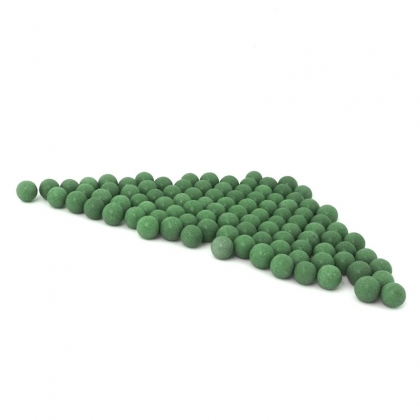
Plastic Cone Green
Plastic Cone Orange
Plastic Cone Gray
Plastic Cone Yellow
Plastic (Cone) 5*5、6*6 Cone
8*8、10*10、12*12、15*15、
20*20、25*25、30*30、35*35、
40*40、45*45、50*50
8*8、10*10、12*12、15*15、
20*20、25*25、30*30、35*35、
40*40、45*45、50*50
8*8、10*10、12*12、15*15、
20*20、25*25、30*30、35*35、
40*40、45*45、50*50
Ceramic Ball Ceramic (Ball) 2、4、6、8、10、12、15、20 Ball
Ceramic Angle Cut Triangle Ceramic (Angle Cut Triangle) 3*3、4*4、6*6、8*8、10*10、
12*12、15*15、20*20
Angle Cut Triangle
Alumina Porcelain Ball Alumina Porcelain (Ball) 2、4、6、8、10、12、15、20 Ball
Alumina Porcelain Triangle Alumina Porcelain (Triangle) 3*3、4*4、6*6、8*8、10*10、
12*12、15*15、20*20
Triangle
High-frequency Porcelain High-frequency Porcelain 1.3*3、1.5*5、2.5*8、3*10、4*14 Cylinder
Alumina Porcelain 3P Alumina Porcelain 3P 8#、12#、16#、24#、32#、36# Irregular
Alumina Porcelain 3P-1 Alumina Porcelain 3P-1 8#、12#、16#、24#、32#、36# Irregular

Dry-Grinding Abrasive Media

Picture Product Name Specification (mm) Function (Dry-Grinding) Shape
VR R M MF F FF
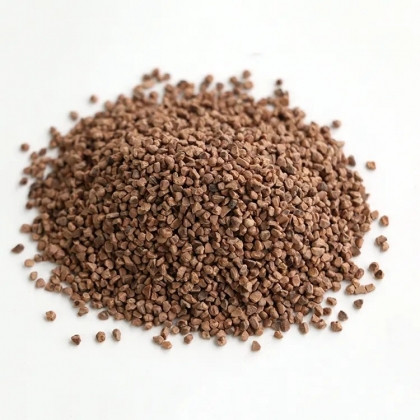
Walnut Shell Walnut Shell 8#、12#、16#、24#、32#、36#、80# Irregular
Wood Bullet Wood (Bullet) 0.5*2、0.5*2.5、0.5*3 Bullet
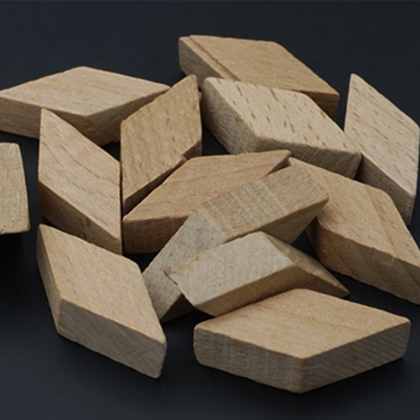
- Wood (Rhombus) 2*2、3*3 Rhombus
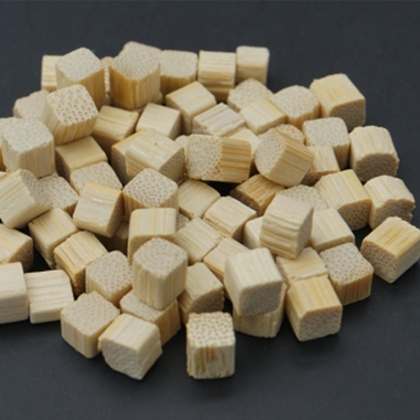
Wood Square Wood (Square) 6*6、7*7 Square
- Bamboo (Rhombus) 2*2、3*3 Rhombus
- Stone Powder Powder Powder

Performance Grade Definitions: VR=Very Rough (Maximum Material Removal); R=Rough (Heavy Deburring); N=Normal (Standard Processing); M=Medium (Balanced Finishing); NF=Normal Fine (Intermediate Surface); MF=Medium Fine (Pre-Polishing); F=Fine (High-Quality Surface); FF=Very Fine (Mirror-Class Finish)

Customized media formulations, proprietary shape designs, and application-specific abrasive blends available with engineering support and minimum order requirements.

Complete technical assistance available including process feasibility analysis, media sampling programs, equipment trials, compound testing, validation studies, and comprehensive documentation supporting your quality system and regulatory compliance requirements.

Leave A Message
If you are interested in our products and want to know more details,please leave a message here,we will reply you as soon as we can.
Related Products
Cutting Ceramic Media
Cutting Ceramic Media Super Fast
Introducing our Ceramic Media - perfect for achieving high-quality finishes on metal parts. The durable ceramic material provides consistent and precise results, ideal for deburring, polishing, and finishing.
Read More
Cutting Ceramic Media
Ceramic Deburring Media Fast Cutting
Fast Cutting Ceramic Deburring Media is a high-quality abrasive material used for removing burrs from metal and other materials. This media is made of ceramic particles that have been designed to cut through tough materials quickly and efficiently. The fast cutting action of this ceramic media makes it an ideal choice for deburring applications where time is of the essence. This deburring media is also long-lasting and durable, ensuring that it will provide reliable results over an extended period of use. Choose Fast Cutting Ceramic Deburring Media for efficient and effective deburring of your materials.
Read More
Medium Ceramic Finishing Media
Ceramic Finishing Media Medium Cutting
Medium Cutting Ceramic Finishing Media is a durable and long-lasting abrasive material that provides a smooth and consistent finish on various materials. It's compatible with vibratory and rotary tumblers and suitable for cutting, polishing, deburring, and burnishing. Achieve a high-quality finish with ease.
Read More
Ceramic polishing spheres
Ceramic Polishing Media Extra Finish
Achieve a high gloss finish with extra finish ceramic polishing media. These polishing spheres offer superior abrasive capability for deburring and burnishing various materials, including metal and plastic. They are versatile and suitable for both wet or dry use, making them a perfect choice for a wide range of applications. With their long-lasting performance and superior gloss finish, extra finish ceramic polishing media is a reliable and efficient solution for achieving a flawless finish.
Read More
Polishing ceramic media
Tumbling Media Polishing Ceramic
Achieve the perfect finish with our polishing ceramic tumbling media. Our high-density and multi-shaped media offer durable wear resistance and consistent surface finishes in mass finishing processes. These finishing solutions provide the ideal tool for polishing and deburring parts in any industry, from automotive to aerospace. Trust in our reliable and effective media to take your finishing process to the next level.
Read More
Fine Polishing Ceramic
Ceramic Finishing Media Fine Polishing
Achieve high-quality finishes with fine polishing ceramic finishing media. With consistent performance and shape-retaining power, these long-lasting media are perfect for precision finishing jobs and deburring applications. Use them with mass finishing equipment to take full advantage of their abrasive capability. Choose from a variety of sizes and shapes to fit your specific needs and get ready to achieve stunning results every time.
Read More
vibratory machine
600L Cheap China Vibratory Tumbler with Separator
The  rotary vibrator is wildly uesd for applications in different size,shape and materials including metal,plastic,ceramic,rubber stone and wood. It can be used for deburring,surface grinding,descaling,de-oiling,cleaning,radiusing and polishing of stampings,machine components,saw-cut,custom-ben,forgings andcastings."Vibration Wheel Polishing Machine""Deburring Barrel Polishing Machine"Deburring Machine""Vibration Polishing Machine For Metal" "Vibration Polishing Machine Wheels""Wheel Polishing Machine Vibrator""Automatic Deburing Polishing Machine" "Vibration Finishing Polishing Machine""Polishing Machine Polishing Machine""Polishing Deburring Machine""Surface Metal Polishing
Read More
Cutting Ceramic Media
Ceramic Deburring Media Fast Cutting
Fast Cutting Ceramic Deburring Media is a high-quality abrasive material used for removing burrs from metal and other materials. This media is made of ceramic particles that have been designed to cut through tough materials quickly and efficiently. The fast cutting action of this ceramic media makes it an ideal choice for deburring applications where time is of the essence. This deburring media is also long-lasting and durable, ensuring that it will provide reliable results over an extended period of use. Choose Fast Cutting Ceramic Deburring Media for efficient and effective deburring of your materials.
Read More

#+86-592-2381506

Email : info@surface-polish.com

Headquarters address : No. 31, Xinchang Road, Xinyang Industrial Zone, Haicang District, Xiamen

click here to leave a message

Leave A Message
If you are interested in our products and want to know more details,please leave a message here,we will reply you as soon as we can.

Home

Products

whatsapp

contact