


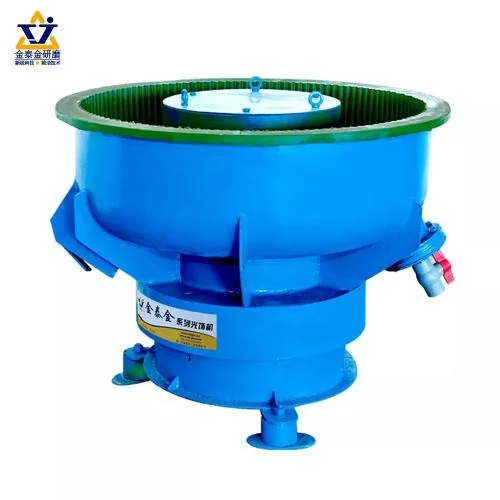
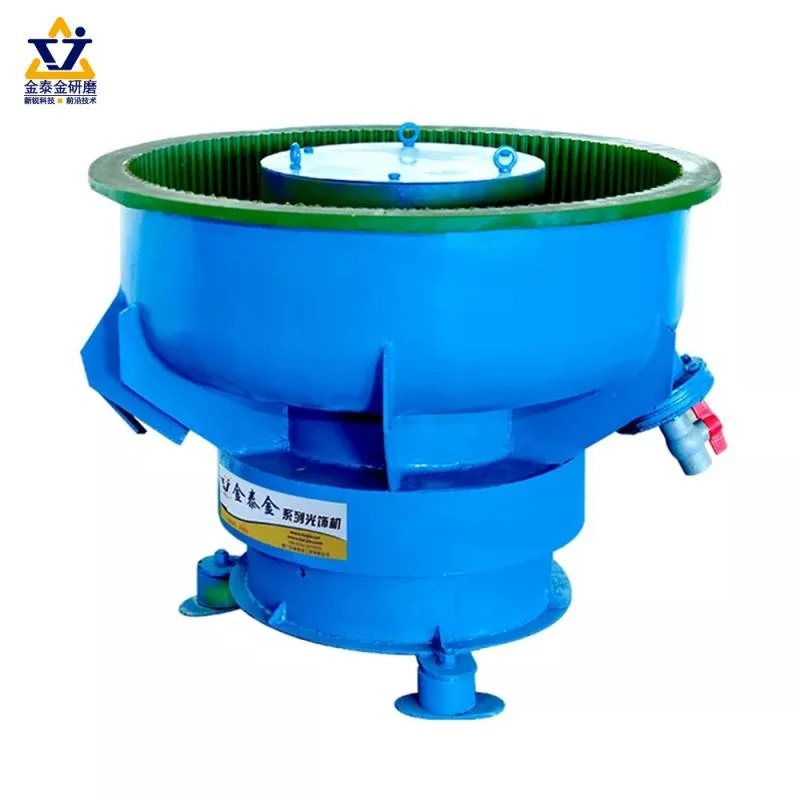
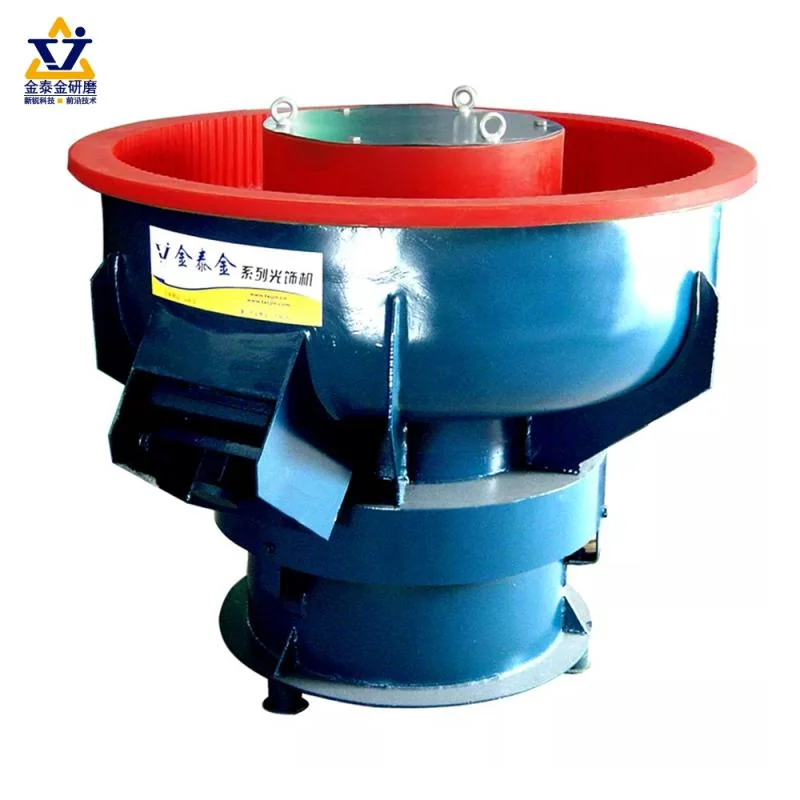
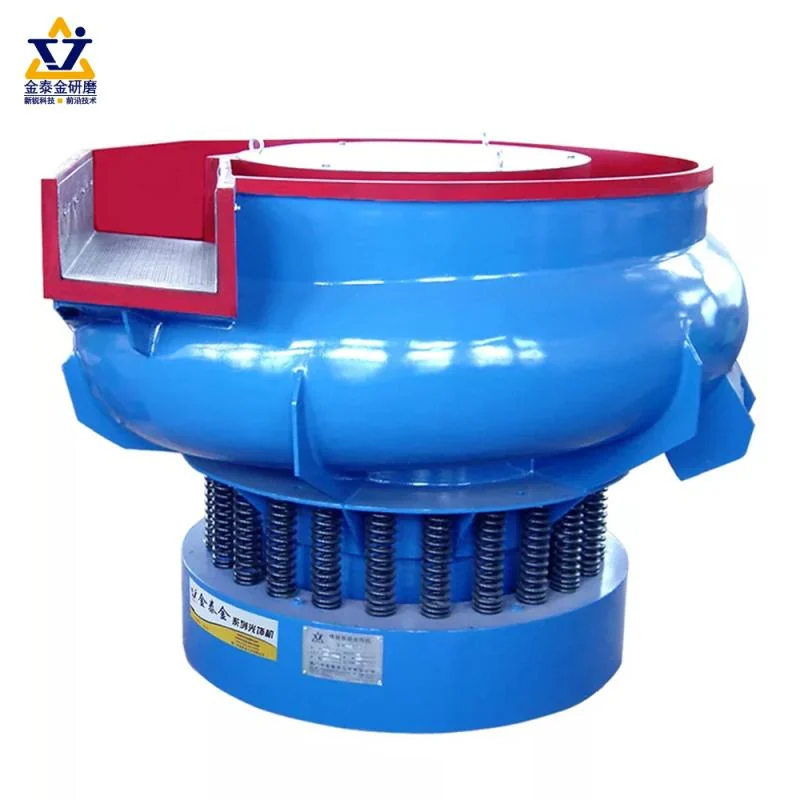


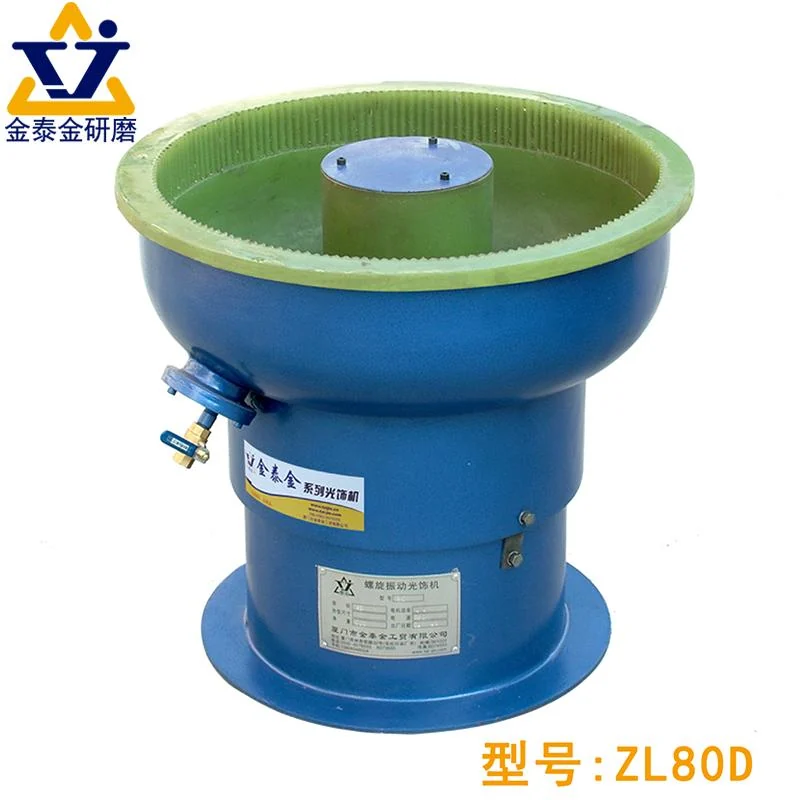
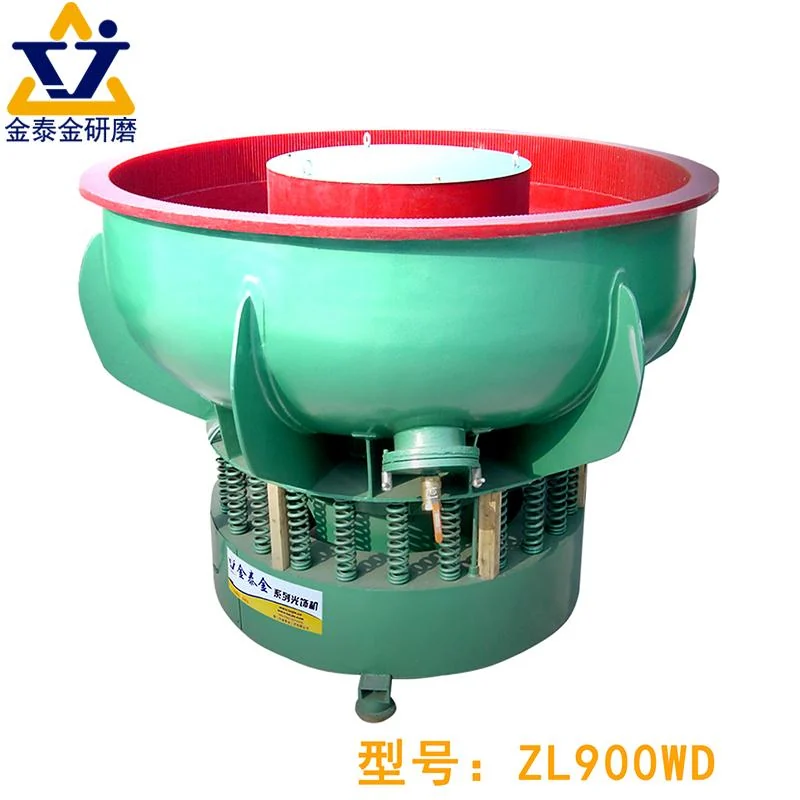
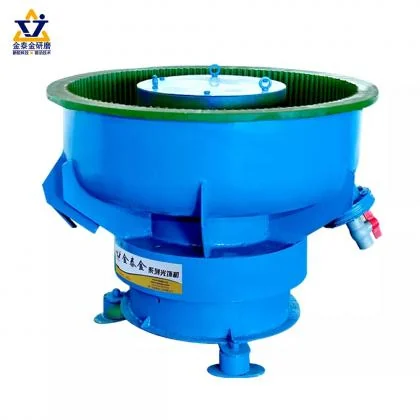
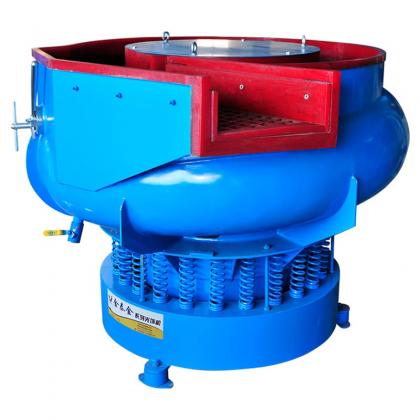
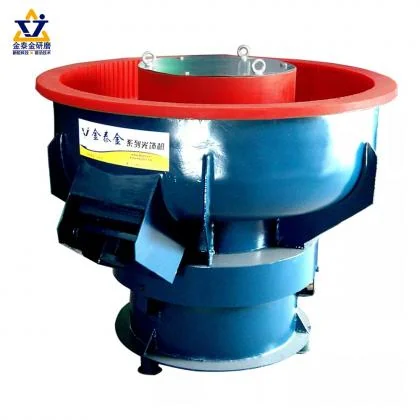
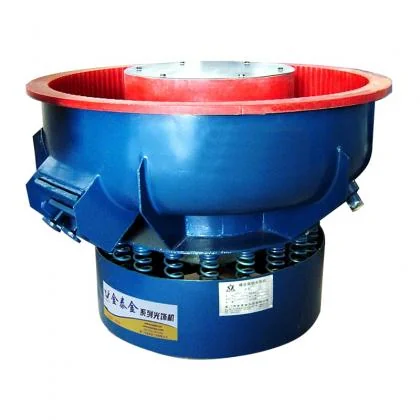
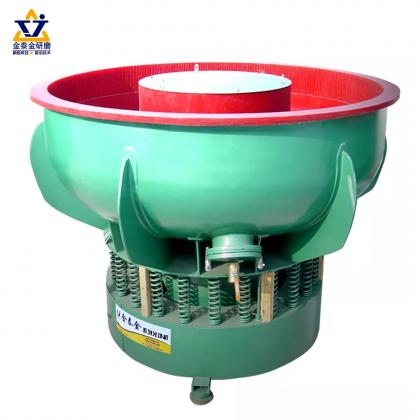

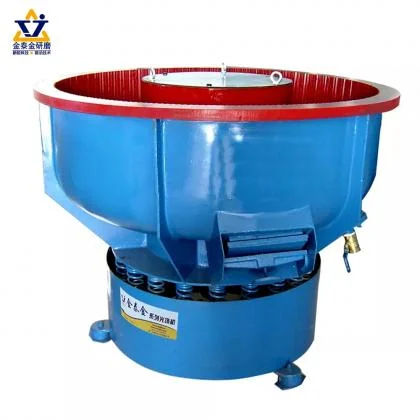
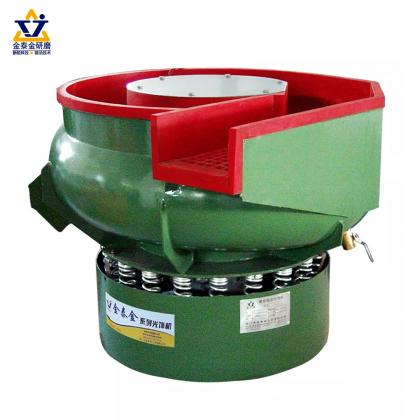
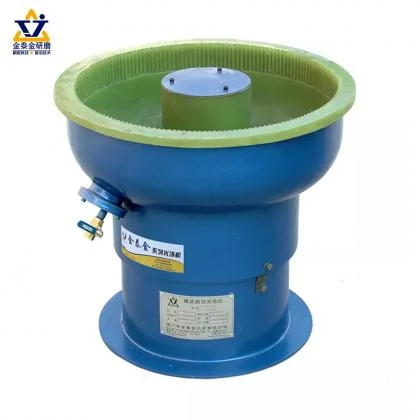
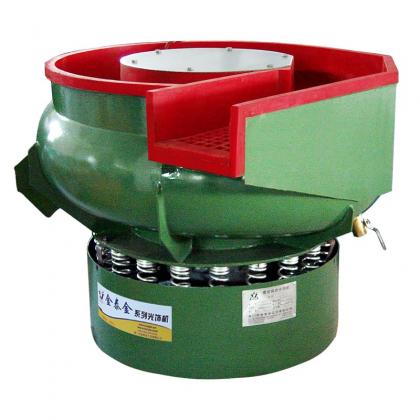
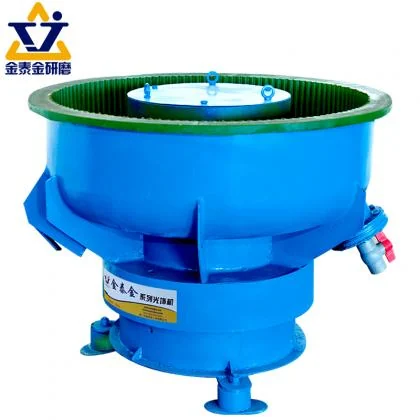
150L 200L 300L Vibratory Burnishing Machine is presented as a SurfacePolish catalog record. Product selection starts with the workpiece condition, geometry, protected features and target appearance. This page keeps the discussion application-led so visitors can send the information needed for a practical review.

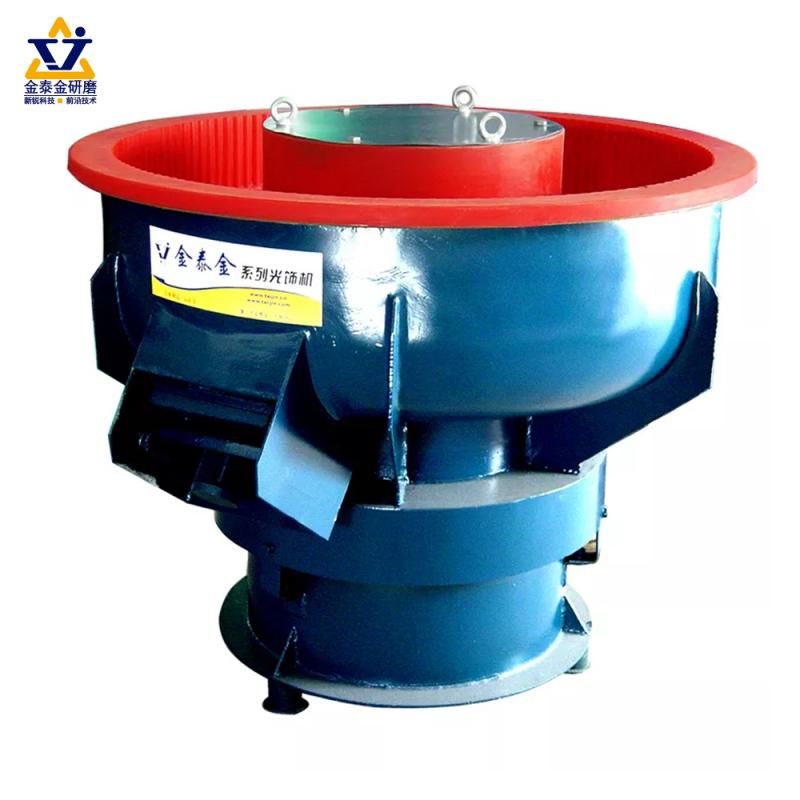
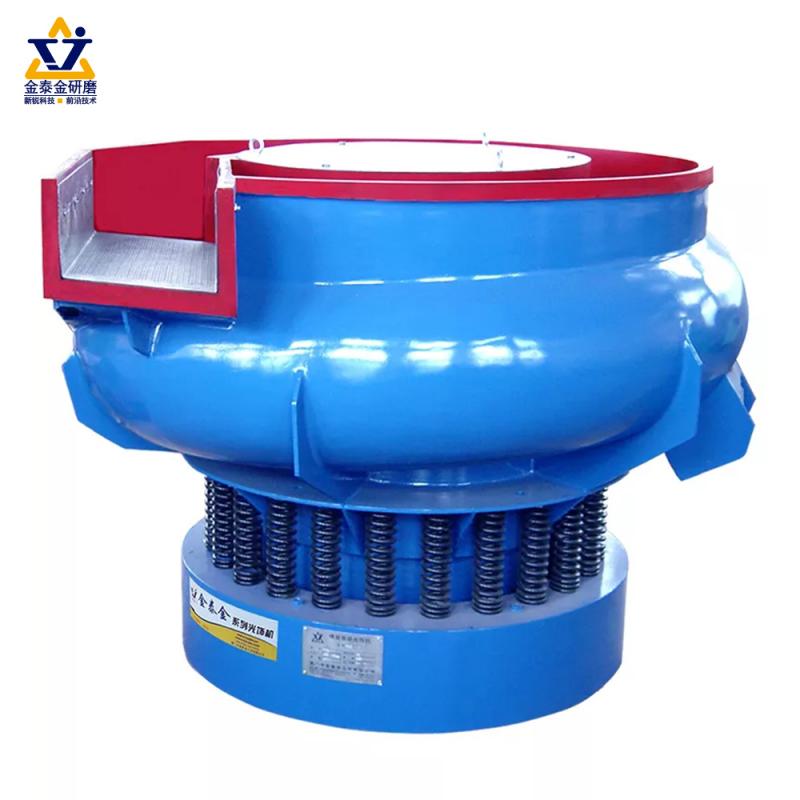
Start with the workpiece problem
Describe the incoming burrs, marks, residue or appearance issue, then add material, dimensions, part weight when known, batch context and clear photos. Mark all edges, holes, threads and cosmetic faces that must remain protected.
- Incoming condition and target finish
- Critical geometry and tolerances
- Loading, contact and separation concerns
- Downstream cleaning or assembly
Review the complete process route
Machine configuration, media or compound, loading, movement, separation and inspection work together. The catalog name or photograph cannot establish a complete process window. Those fields should be confirmed against the exact workpiece and current documentation.
- Machine family and part geometry
- Media or compound direction
- Loading and unloading access
- Inspection and cleaning after processing
Plan a controlled test
Use representative parts and define acceptance criteria before testing. Record the starting condition, actual configuration, inspection intervals, surface change and any protected feature. Keep the result specific to the reviewed machine and part family.
What to send
Send the material, photos, drawing or dimensions, target appearance, protected features, quantity and downstream requirements. The finishing team can then identify the next practical question and compare the appropriate process direction.
What Sets the Cost of a Vibratory Burnishing Machine
A vibratory burnishing machine is configured against five things, and only the first of them is the size on the model name. The other four move the number more than most buyers expect, which is why a like-for-like comparison between two offers usually turns out not to be like-for-like.
Size class and effective working capacity
The litre figure describes the chamber, not what you can load into it. A charge needs room to move, so the usable volume is a fraction of the nominal one - and two machines of the same nominal size can differ in what they will actually take. When you compare offers, compare the effective working capacity each supplier states, not the model number.
Motor and drive configuration
The drive is sized against the charge mass, not against the chamber volume. A heavier media body, a higher fill, or a longer duty cycle all push the drive rating up. An offer that names the same chamber size but a smaller motor is a machine that will be run below the fill you intended.
Lining material and wear life
The lining is the wear part, and it is replaced more often than anything else on the machine. Polyurethane is the common choice; the grade and thickness decide how long it lasts, and that decision shows up in the figure rather than in the brochure. Ask what the lining grade is, and ask what a replacement set costs - the second number is the one that recurs.
Control package and automation options
A manual unit and a PLC-controlled unit with recipe storage are different products at different figures. If the shop runs more than a couple of part numbers, the control package stops being a luxury: it is what makes the cycle repeatable without relying on the operator's memory.
What is not included in a base figure
Ask this explicitly, because it is where offers diverge most. Media, compound, installation, commissioning, and spares are commonly quoted separately. A base figure that excludes the media and the first compound is not a lower number - it is a narrower scope, and the two offers only become comparable once the scope is the same.
We do not publish a list figure, because the configuration that fits a part is established against that part. Send the part, the target finish and the batch size, and the figure comes back against those three things.

 +86-592-2381506


 IPv6 network supported
