Ceramic Finishing Media Medium Cutting

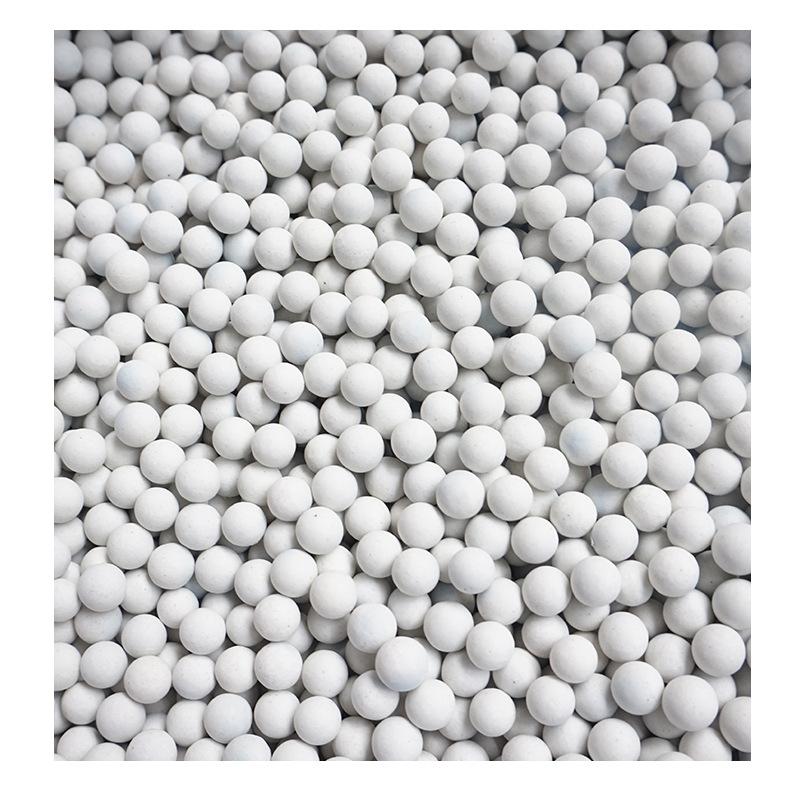
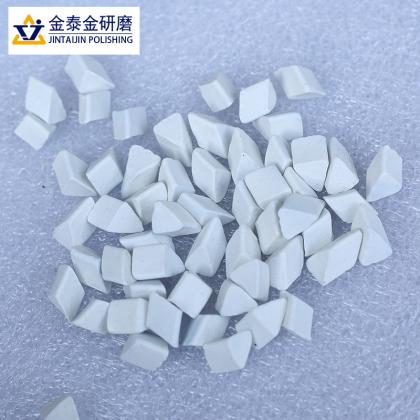
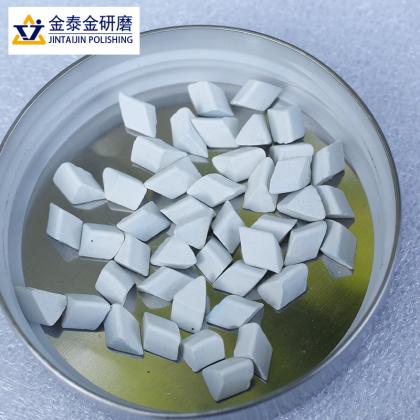
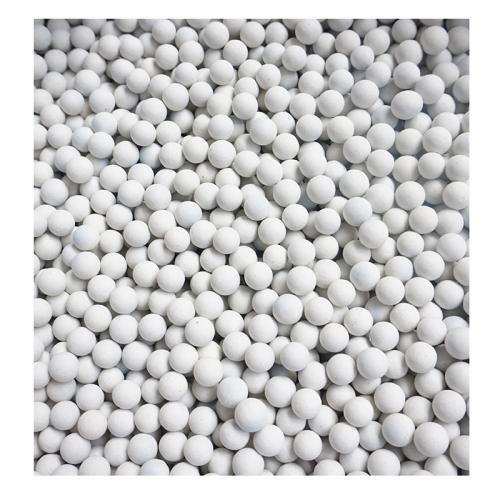
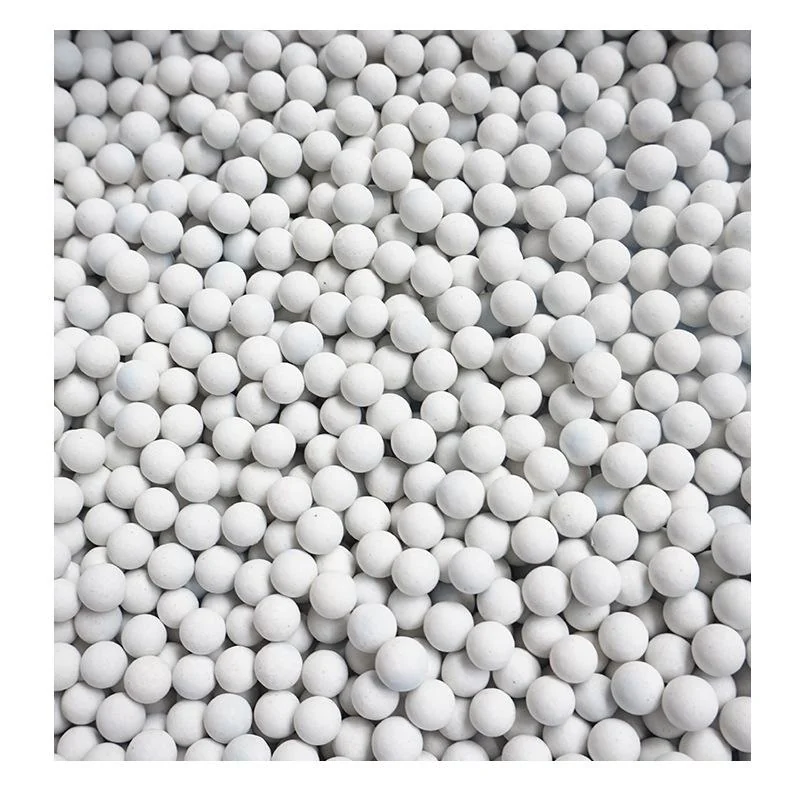
Medium Cutting Ceramic Finishing Media is a durable and long-lasting abrasive material that provides a smooth and consistent finish on various materials. It's compatible with vibratory and rotary tumblers and suitable for cutting, polishing, deburring, and burnishing. Achieve a high-quality finish with ease.

  • Item NO.:

    Medium Cutting Ceram
  • Payment:

    T/T, L/C, Western Union,Money Grain
  • Product Origin:

    Xiamen China
  • Shipping Port:

    xiamen
  • Lead Time:

    30 days
  • Product Detail

Industrial Ceramic Media: Expert Mass Finishing Solutions for Precision Component Processing

Professional-grade industrial ceramic media serves as the cornerstone technology for modern surface finishing and component conditioning operations. Manufactured across extensive geometric configurations, precision-calibrated dimensional ranges, and engineered abrasive performance levels, these advanced finishing materials provide exceptional capabilities for metal part conditioning, polymer component refinement, and complex workpiece surface enhancement. High-quality ceramic formulations demonstrate proven integration with tumbling barrel systems, oscillating vibratory platforms, high-intensity centrifugal processors, and continuous-feed finishing lines while delivering consistent results across diverse materials including aluminum aerospace alloys, naval brass components, surgical stainless steel devices, electrical copper assemblies, and decorative zinc hardware applications.

Superior finishing outcomes demand comprehensive process engineering and strategic media specification. Essential evaluation criteria encompass component dimensional parameters, geometric feature complexity, substrate material properties, initial condition assessment, and target specification requirements. From heavy forging cleanup and investment casting gate removal to precision edge conditioning and ultra-high gloss surface development, professional ceramic media delivers validated process reliability and documented quality consistency supporting critical manufacturing operations requiring aerospace AS9100 compliance, medical ISO 13485 certification, automotive IATF 16949 adherence, and customer-specific quality standards.

Performance Benefits of Professional-Grade Ceramic Abrasive Technology

  • Engineered Surface Modification: Advanced sintering technology enables precise surface texture control, repeatable edge geometry formation, and predictable roughness achievement supporting high-volume manufacturing requirements processing 50,000+ components monthly with documented Cpk values exceeding 1.67.
  • Cross-Platform Equipment Integration: Validated compatibility with reciprocating trough finishers, satellite centrifugal systems, orbital disc machines, spiral vibratory elevators, linear conveyor finishers, immersion washing systems, and automated robotic loading platforms enabling lights-out production and Industry 4.0 connectivity.
  • Multi-Material Processing Capability: Certified performance finishing tool steels (D2, A2, O1, H13), spring steels (1095, 5160, 6150), precipitation-hardened stainless (15-5PH, 17-7PH, Custom 465), nickel alloys (Inconel 625, Hastelloy C-276, Monel 400), cobalt-chrome (F75, F90), plus advanced polymers (PTFE, UHMWPE, Torlon, Vespel, LCP).
  • Cost-Effective Processing Economics: Extended operational longevity (500-1000 hours under optimal conditions) minimizes media replacement frequency, reduces per-part consumable expenses, lowers total processing costs, and delivers superior ROI versus competitive abrasive technologies including vibratory compounds, tumbling stones, and manual finishing labor.
  • Comprehensive Defect Elimination: Systematically removes abrasive cut-off wheel burrs, bandsaw cutting irregularities, punch press shear edges, laser fusion zones, ultrasonic machining debris, chemical milling etchant residues, and electrical discharge machining recast while maintaining ±0.0005" dimensional control on precision aerospace and medical components.

Vertical Market Applications and Industry-Specific Processing Solutions

Industrial ceramic media addresses specialized finishing requirements across diverse manufacturing sectors demanding precise surface quality control and validated process documentation:

  • Automotive Tier 1/2 Suppliers: High-volume production finishing of transmission synchronizer rings, differential spider gears, planetary gear sets, clutch hub assemblies, CV joint components, turbocharger impeller wheels, supercharger rotors, fuel rail assemblies, common rail injector bodies, and meeting OEM surface finish specifications including Ford WSS-M99P1111-A, GM GMW3044, Chrysler MS-5509 standards.
  • Commercial Aerospace Manufacturing: FAA-PMA approved processes for landing gear actuator components, flap track assemblies, leading edge slat mechanisms, thrust reverser linkages, flight control bell cranks, engine mount fittings, and satisfying prime contractor specifications including Boeing D6-17487, Airbus ABP 1-4548, Pratt & Whitney PWA 35, GE Aviation M50TF37, Rolls-Royce RRES 90061.
  • Orthopedic Implant Production: FDA-registered manufacturing processes for total knee replacement femoral components, tibial base plates, patellar buttons, total hip replacement acetabular cups, femoral stems, modular head tapers, spinal fusion cages, pedicle screw systems, trauma plating systems requiring surface roughness Ra 0.05-0.4 microns and validated cleaning per ASTM F86, ASTM F2459 standards.
  • Fine Watchmaking and Horology: Swiss-standard finishing for automatic movement bridges, rotor assemblies, gear train components, escapement wheels, pallet forks, balance wheel assemblies, chronograph pushers, case components, bracelet links, and achieving mirror polishing (Ra <0.025 microns) meeting COSC chronometer certification and Geneva Seal quality standards.
  • Telecommunications Equipment: High-precision deburring of 5G antenna housings, cellular base station components, fiber optic connector ferrules (ceramic zirconia), coaxial cable connectors, waveguide assemblies, RF cavity filters, and preparing surfaces for subsequent gold flash plating (0.5-2.0 microinches), selective nickel plating, or tin-silver alloy coating.
  • Commercial Fastener Manufacturing: Automated finishing of A325 structural bolts, A490 high-strength bolts, Grade 9 titanium aerospace fasteners, Inconel 718 jet engine bolts, MP35N medical screws, monel marine fasteners, duplex stainless subsea bolts, and achieving Class 3A thread tolerances with uniform zinc-nickel plating (8-15 microns), cadmium plating alternatives, or dry film lubricant coatings.
  • Precision Cutting Tool Production: Edge conditioning of PCD (polycrystalline diamond) inserts, PCBN (polycrystalline cubic boron nitride) tools, CVD diamond-coated end mills, TiAlN-coated drills, multi-layer PVD coated reamers, and achieving specified K-land widths (0.003"-0.008"), T-land preparations, waterfall edge geometries, or variable helix configurations optimizing chip evacuation and tool life.
  • Aerospace Hydraulic Systems: Contamination-critical finishing of servo valve torque motors, proportional valve spools (±0.0001" clearance), priority flow dividers, pressure compensated pumps, accumulator poppets, and achieving particulate cleanliness levels meeting SAE AS4059 Level D (ISO 15/13/10), MIL-PRF-5606 hydraulic fluid compatibility, and Boeing BAC5008 cleaning requirements.
  • Defense and Military Applications: ITAR-compliant processing of weapon system components, fire control mechanisms, targeting systems, night vision equipment housings, encrypted communications hardware, unmanned vehicle parts, and meeting military specifications including MIL-STD-171, MIL-F-14072, MIL-STD-453, plus DFARS compliance and controlled goods regulations.
  • Semiconductor Capital Equipment: Ultra-clean finishing of plasma etch chamber components, CVD reactor parts, ion implantation system elements, lithography tool assemblies, wafer handling robots, and achieving Class 10 cleanroom compatibility, outgassing requirements per ASTM E595, and metallic contamination limits <1E10 atoms/cm² preventing wafer yield losses.

Scientific Selection Approach and Process Engineering Methodology

Optimal finishing performance requires systematic engineering methodology incorporating materials science, mechanical engineering principles, and statistical process validation:

Advanced Geometry Engineering and Tribological Optimization:

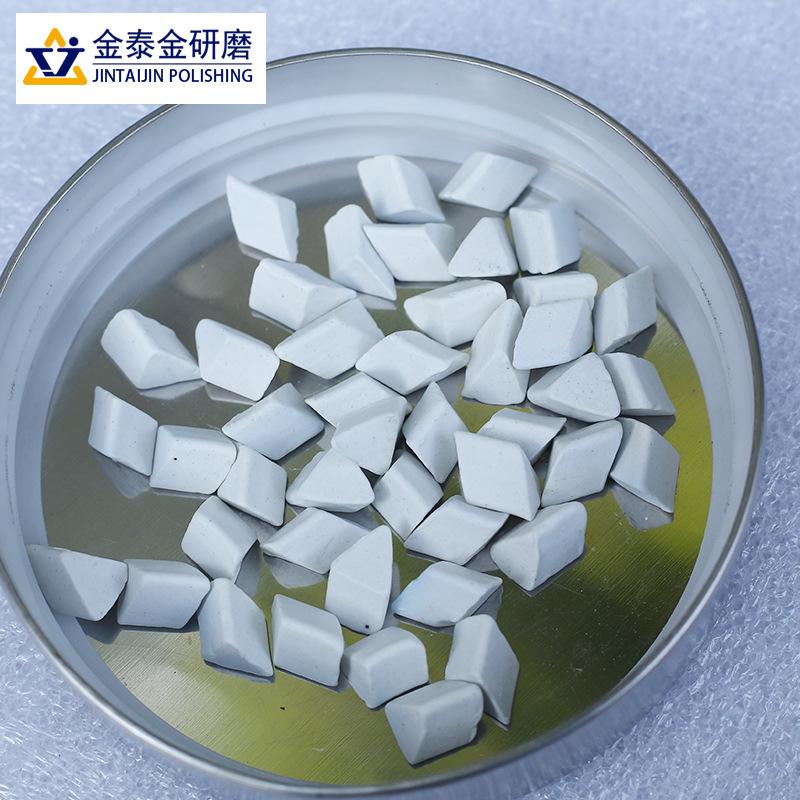
  • Tetrahedral and Pyramidal Configurations: Four-sided geometry providing multiple cutting edges, enhanced tumbling action, superior penetration into blind tapped holes (M3-M12 threads), internal keyways, broached splines (ANSI B92.1), involute gear tooth profiles (AGMA Class 8-12), and complex undercut features inaccessible to spherical media shapes.
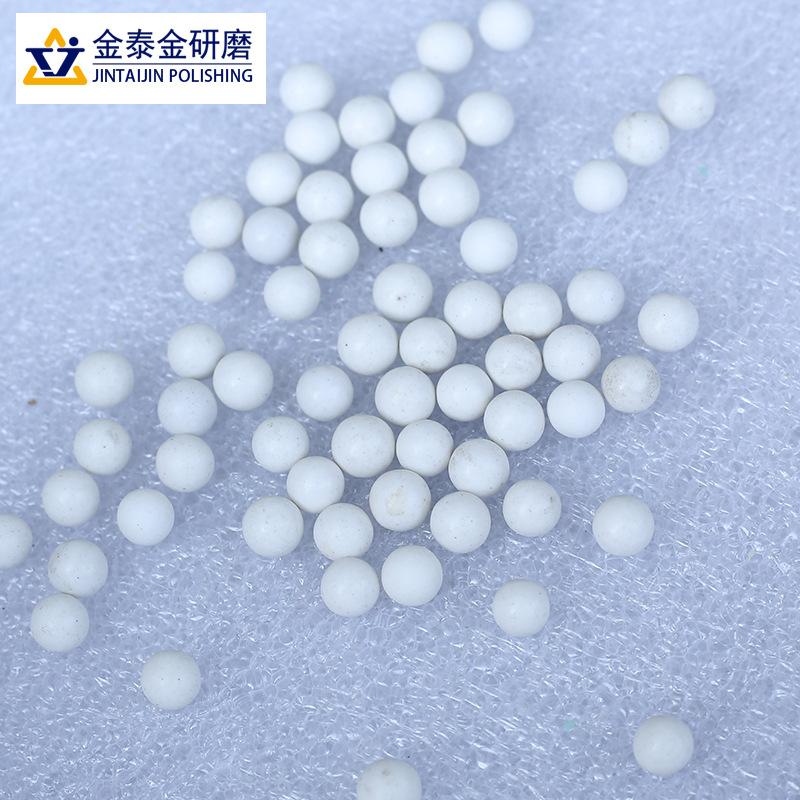
  • High-Density Sphere Media: Perfect geometric uniformity generating omnidirectional surface treatment, minimal directional lay patterns (Rsm values 0.05-0.15mm), ideal for optical component substrates (N-BK7, fused silica), mold cavity polishing (SPI A-1, A-2 finishes), and cosmetic finishing eliminating preferential grain structure effects on Type II sulfuric anodizing or bright nickel electroplating appearance.
  • Extended Cylinder Geometries: High length-to-diameter ratios (L:D 2:1 to 4:1) maximizing contact pressure, enabling rapid stock removal (>0.010" per hour on soft materials), accelerated processing cycles for sand casting cleanup, shell mold residue removal, permanent mold parting line elimination, and high-pressure die casting overflow trimming operations.
  • Precision Tapered Cone Shapes: Gradual taper angles (15-30 degrees) providing controlled contact area, gentle processing ideal for beryllium copper spring contacts (0.005"-0.020" thickness), phosphor bronze electrical terminals, drawn stainless wire forms, precision stampings from progressive dies, and achieving refined edge breaks (0.002"-0.005" radius) without dimensional loss or geometric distortion.
  • Asymmetric Wedge Profiles: Engineered cutting edge orientation delivering directional finishing action, 40-60% cycle time reduction on challenging geometries including lost-wax investment castings (tolerance ±0.005"), rapid prototyping SLA/SLS parts requiring support structure removal, complex multi-axis CNC machined titanium aerospace brackets, and organic sculptured surface medical implants.
  • Custom-Engineered Specialty Shapes: Application-specific designs developed through computational modeling (FEA stress analysis, CFD flow simulation), pilot testing, and full-scale validation addressing unique requirements including pharmaceutical tablet punch finishing, food processing equipment sanitary design, semiconductor process chamber components, and ultra-high-purity chemical delivery systems.

Dimensional Specification Science and Scaling Engineering:

Correct media-to-part dimensional relationships follow validated engineering principles preventing lodging in critical features while ensuring adequate surface coverage. Subminiature precision media (0.3-1.5mm) addresses micro-molded components, MEMS devices, miniature spring assemblies, medical micro-instruments (<1mm features), Swiss screw machine parts (diameter <3mm), and dental restoration components. Fine precision media (2-5mm) serves small aerospace fasteners, watch movement components, micro-connectors, implantable medical devices, and precision optics mounts. Standard industrial media (6-12mm) processes general automotive components, industrial valve internals, pump impellers, commercial hardware, and typical CNC machined parts. Heavy industrial media (14-25mm) handles structural weldments, large forgings, heavy castings, mining equipment, construction machinery, and oil field components. Oversized specialty media (28-70mm) accommodates shipyard fabrications, power plant components, steel mill equipment, and large infrastructure projects.

Advanced Processing Equipment Systems and Smart Manufacturing Integration

Professional ceramic media achieves maximum processing efficiency when deployed with state-of-the-art finishing equipment featuring advanced automation, process monitoring, and quality control systems:

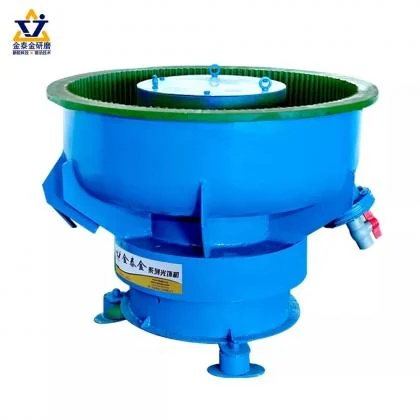
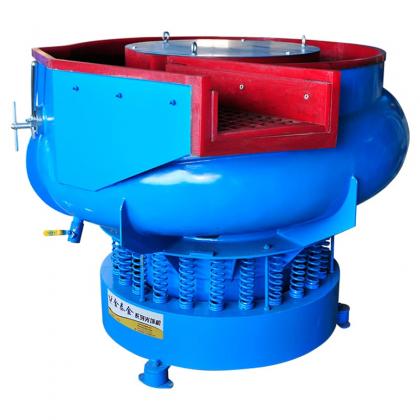
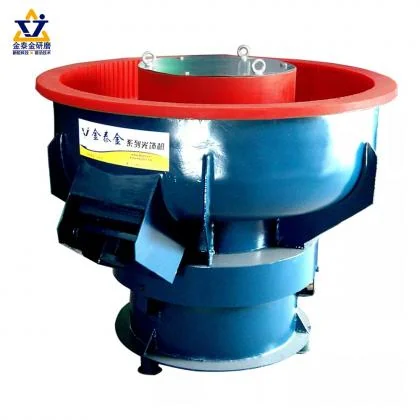
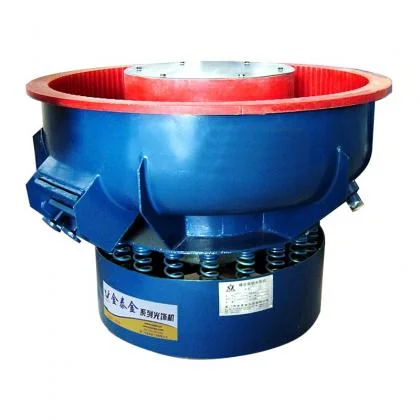
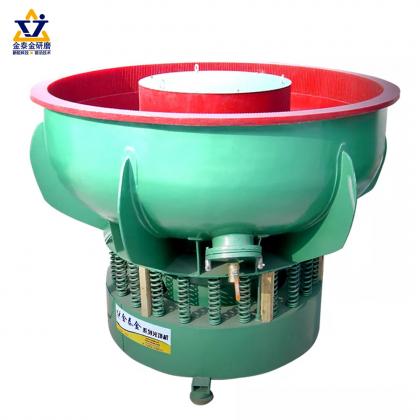
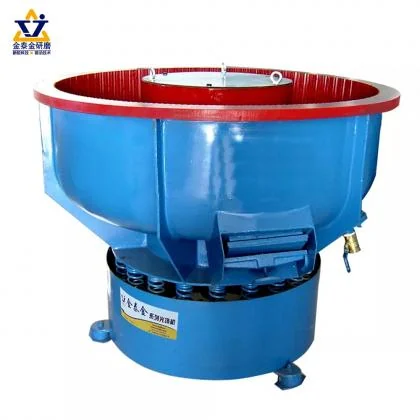
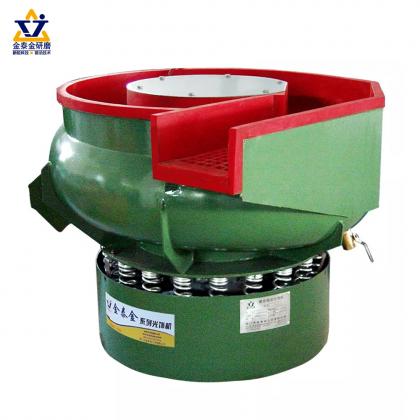
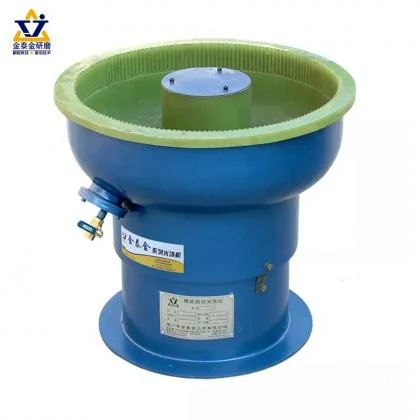
Automated Vibratory Bowl Finishing System

Automated Vibratory Bowl Platform

Precision-engineered circular bowl featuring adjustable orbital motion control, variable frequency drives (0-3600 cycles/min), integrated PLC automation, touchscreen HMI interface, automatic compound dosing pumps, water level sensors, cycle timers, and IoT connectivity enabling remote monitoring and predictive maintenance analytics.

High-Energy Disc Centrifugal Finisher

High-Energy Disc Centrifugal Unit

Ultra-high-intensity centrifugal platform generating 40-80 G-force acceleration, rapid 3-10 minute finishing cycles, exceptional burnishing action developing Ra <0.1 micron surfaces, sound-dampened construction (<75 dBA), servo-driven precision control, and perfect for titanium aerospace components, cobalt-chrome medical implants, and high-value jewelry applications.

Continuous Flow-Through Finishing Machine

Continuous Flow-Through System

Advanced through-feed architecture enabling continuous high-throughput processing, automated part loading/unloading, RFID part tracking, fixture-based controlled orientation, selective area finishing capability, integrated vision inspection, real-time SPC data acquisition, and complete traceability satisfying aerospace AS9102 FAIR documentation and medical device DHR requirements.

Multi-Station Barrel Tumbling System

Multi-Station Barrel Tumbler

Economical batch tumbling featuring quad or hex barrel configurations, independent variable-speed controls (5-35 RPM), programmable digital timers, gentle cascading action preventing part impingement, rubber-lined barrels minimizing noise (<70 dBA), and ideal for overnight processing runs, heat-treat scale removal, rust descaling, and producing uniform matte finishes on investment castings and precision forgings.

Materials Science Fundamentals and Performance Engineering Metrics

Advanced materials science knowledge enables precision process design and predictable manufacturing results across demanding applications:

  • Advanced Ceramic Formulation Chemistry: Precision-engineered compositions featuring 65-98% alpha-alumina (α-Al₂O₃), bonding phase systems including mullite, cordierite, and feldspar glasses, grain growth inhibitors controlling sintering characteristics, optional performance modifiers such as yttria-stabilized zirconia (3Y-TZP) for fracture toughness enhancement or magnesium aluminate spinel for thermal shock resistance.
  • Vickers Hardness Certification: Documented hardness measurements 800-1400 HV (Vickers) enabling effective processing of through-hardened bearing steels (HRC 58-64), flame-hardened surfaces (HRC 50-55), induction-hardened components (HRC 45-60), case-carburized gears (case depth 0.030"-0.060"), nitrocarburized parts (compound layer 0.0003"-0.0008"), and maintaining predictable wear rates throughout 500+ hour service intervals.
  • International Grit Standard Compliance: Comprehensive grading aligned with ISO 6344 (coated abrasives), JIS R6001 (Japanese Industrial Standards), and CAMI (Coated Abrasive Manufacturers Institute): P60-P80 (extra coarse deburring), P100-P120 (coarse finishing), P150-P220 (medium processing), P280-P400 (fine finishing), P600-P1000 (very fine polishing), P1200-P1500 (extra fine mirror prep), P2000-P2500 (ultra-fine cosmetic finishing).
  • Dimensional Quality Assurance: Statistical process control maintaining dimensional tolerances: ±3% on precision micro-media (≤3mm) supporting miniature component finishing, ±5% on fine media (4-8mm) for standard precision applications, ±7% on production media (10-18mm) for general manufacturing, ±10% on industrial media (20-40mm) for heavy-duty processing, verified through calibrated sieve analysis per ASTM E11 standard test sieves.
  • Chemical Resistance Performance: Validated stability in aggressive environments including strong mineral acids (37% HCl, 98% H₂SO₄, 70% HNO₃), concentrated alkalies (50% NaOH, 45% KOH), organic solvents (trichloroethylene, perchloroethylene, acetone, MEK), chelating systems (EDTA tetrasodium, NTA, gluconates), and specialty finishing chemicals including cyanide-bearing compounds, hexavalent chromium solutions, and fluoride-containing etchants.
  • Extended Service Life Documentation: Comprehensive lifecycle data: 300-500 hours (aggressive heavy deburring, coarse grades, soft ferrous materials), 500-800 hours (standard deburring operations, medium grades, typical alloys), 800-1200 hours (fine polishing processes, fine grades, non-ferrous metals), with controlled friability <1.5% per 100 hours and stable cutting performance maintaining ±8% material removal rate consistency verified through periodic test piece processing and surface roughness trending.
  • Thermal Stability Specifications: Operational envelope spanning cryogenic deflashing (-196°C liquid nitrogen), ambient processing (15-30°C standard conditions), warm compound operations (40-65°C enhanced chemistry activation), thermal cycling resistance (ΔT 100°C without micro-cracking), and coefficient of thermal expansion (CTE 7-9 x 10⁻⁶/°C) preventing dimensional instability during temperature fluctuations in heated vibratory systems or seasonal facility variations.
  • Controlled Porosity Engineering: Precision open porosity (4-10% by mercury porosimetry) optimizing compound absorption kinetics, facilitating swarf flushing during rinse cycles, enabling capillary transport of fresh chemistry to active cutting surfaces, balancing media specific gravity requirements (2.3-3.2 g/cm³) with process slurry rheology, and minimizing clogging in fine-grade media processing soft aluminum, copper, or plastic materials generating fine particulate contamination.
  • Bulk Handling Characteristics: Flow property measurements including angle of repose (32-38° typical range) ensuring reliable media circulation patterns in vibratory equipment, preventing segregation by size in mixed-media formulations, enabling consistent automatic dosing from storage silos, supporting pneumatic conveying systems (dilute phase 3000-5000 fpm velocity), and facilitating vacuum recovery from finishing equipment through 2"-4" diameter flexible hoses.
  • Quality Certification Documentation: Complete traceability including batch manufacturing records, raw material certifications, sintering temperature profiles, dimensional inspection data (min 100 pieces per lot sampled), hardness verification (min 10 readings per batch), density measurements (water displacement method per ASTM C373), and compliance with ISO 9001 quality management systems plus customer-specific PPAP (Production Part Approval Process) requirements for automotive applications.

Process Control Excellence and Advanced Quality Management Systems

World-class finishing operations implement sophisticated control strategies integrating advanced process control (APC), statistical quality control (SQC), and continuous improvement methodologies:

Advanced Load Ratio Engineering

Implement Taguchi experimental design (L9, L18 orthogonal arrays) establishing optimal volumetric ratios: 1.5:1-2.5:1 for maximum aggression applications (heavy casting cleanup, forging descaling), 3:1-5:1 for balanced productivity/quality operations (standard deburring, medium finishing), 6:1-10:1 for quality-critical processing (fine polishing, cosmetic finishing), 12:1-15:1 for ultra-delicate components (thin stampings, wire forms). Monitor via calibrated load cells (±0.5% accuracy, NIST-traceable calibration) implementing X-bar/R control charts documenting load consistency with Cp >1.33 and Cpk >1.0 process capability indices.

Chemistry Automation and Control

Deploy advanced metering systems featuring variable-speed peristaltic pumps (±2% flow accuracy), pulse-dampened diaphragm pumps, or positive-displacement gear pumps synchronized with equipment timers. Implement continuous monitoring via in-line conductivity sensors (±1% reading accuracy), pH electrodes (±0.05 pH units, automatic temperature compensation), ORP (oxidation-reduction potential) measurement, turbidity monitoring, and real-time concentration tracking. Establish closed-loop PID control automatically adjusting dosing rates maintaining chemistry parameters within ±5% target specifications documented on trend charts and batch manufacturing records.

Statistical Process Recipe Validation

Develop comprehensive process specifications documenting: media type/shape/size/grade, precise load quantities (media weight ±2%, part weight ±1%), compound brand/type/concentration (±0.5%), water volume and quality (hardness 80-120 ppm, chlorides <25 ppm, pH 6.5-7.5), equipment settings (frequency ±10 Hz, amplitude ±0.5mm, rotation ±1 RPM), cycle duration with intermediate inspection points (25%/50%/75%/100% completion checkpoints), acceptance criteria (dimensional tolerances, edge radius targets, roughness Ra/Rz specifications, visual appearance standards ASTM D4449). Validate through process capability studies (minimum 50-piece sample, normal distribution verification via Anderson-Darling test) achieving Ppk >2.0 for critical aerospace/medical applications.

Intelligent Media Lifecycle Management

Establish predictive maintenance programs tracking cumulative operating hours (digital hour meters), total part throughput (production counter integration), media degradation via periodic sieve analysis (Tyler/US Standard mesh series), shape retention through visual inspection against photographic standards, cutting performance validation processing certified test pieces (monthly minimum frequency), contamination assessment (metallic fines gravimetric analysis, compound buildup via loss-on-ignition testing). Schedule proactive media additions (10-15% biweekly replenishment during steady-state operation) and complete changeouts before performance degradation (typically 80% of established lifecycle). Utilize kanban inventory systems ensuring two-bin availability without excess capital tied up in consumable inventory.

Water Treatment and Recycling Systems

Install comprehensive wastewater management infrastructure: inlet pre-filtration (bag filters 5-50 micron), pH adjustment (acid/base feed pumps, static mixing), flocculation/coagulation (polymer injection, rapid mix tank), clarification (inclined plate settlers, dissolved air flotation), filtration (sand filters, cartridge filtration, bag filters), oil removal (oil-water separators, coalescing media, skim tanks), final polishing (activated carbon, ion exchange), and optional membrane systems (microfiltration, ultrafiltration, reverse osmosis) achieving >95% water recycle rates, <50 mg/L TSS discharge, heavy metals below POTW limits, and zero liquid discharge (ZLD) capability for facilities in water-stressed regions.

Equipment Precision Calibration

Implement comprehensive calibration programs per ISO/IEC 17025 requirements: vibratory frequency verification (optical tachometer, ±0.5% accuracy, annual calibration), amplitude measurement (precision dial indicators, ±0.001" resolution, semi-annual verification), load cell linearity checks (certified test weights traceable to NIST, annual recertification), timer accuracy validation (calibrated stopwatch comparison, ±0.1%, annual verification), pH electrode calibration (pH 4.0, 7.0, 10.0 buffer solutions, monthly calibration with two-point minimum), conductivity cell constant verification (KCl standard solutions, monthly validation). Maintain complete calibration records including dates, technician identification, equipment serial numbers, calibration standards used, as-found/as-left data, and out-of-tolerance corrective actions satisfying ISO 9001, AS9100, and ISO 13485 audit requirements.

Progressive Multi-Stage Processing

Engineer sophisticated sequential finishing protocols: Stage 1 - Aggressive deburring (coarse ceramic P80-P120 equivalent, heavy-cut compound 1:20 dilution, 15-30 min) removing gates, runners, parting lines, major flash; Stage 2 - Intermediate smoothing (medium ceramic P180-P220, balanced compound 1:30 dilution, 30-60 min) refining surface texture, radiusing sharp edges; Stage 3 - Pre-polish conditioning (fine ceramic P320-P400, mild compound 1:40 dilution, 60-120 min) developing uniform base finish; Stage 4 - Fine polishing (very fine ceramic P600-P800, soap-based compound 1:50 dilution, 2-4 hours) achieving target Ra specifications; Stage 5 - Burnishing (ultra-fine porcelain P1000+ or stainless steel media, non-abrasive burnishing soap, 2-8 hours) developing maximum luster and reflectivity.

Comprehensive Quality Validation

Deploy multi-parameter inspection methodology: Surface roughness profil ometry (portable stylus instruments Mitutoyo SJ-410, Mahr MarSurf PS10, Taylor Hobson Surtronic S128), 3D optical measurement (Keyence VK-X series, Zygo NewView, Bruker ContourGT), edge radius quantification (optical comparators 50X-200X magnification, certified gage pins/wires), dimensional verification (micrometers ±0.0001", calipers ±0.001", CMM for GD&T verification), visual appearance assessment (calibrated lighting booth D65/TL84/A illuminants, approved limit samples per ASTM D4449), surface cleanliness validation (ultraviolet black light inspection 365nm, white glove particle wipe test, gravimetric extraction per VDA 19, ISO 16232), adhesion testing for subsequent coatings (cross-hatch adhesion ASTM D3359, pull-off adhesion ASTM D4541), and corrosion resistance verification (salt spray ASTM B117, cyclic corrosion GMW 14872, CASS test ASTM B368).

Complete Surface Finishing Technology Matrix and Manufacturing Integration

Discover comprehensive finishing technologies, integrated manufacturing processes, and complete production solutions:

Complete Ceramic Media Family: Regular-density alumina (ρ=2.3-2.6 g/cm³), high-density alumina (ρ=2.7-3.1 g/cm³), ultra-high-density alumina (ρ=3.2-3.6 g/cm³), zirconia-toughened alumina composites, alpha-alumina single crystal, beta-alumina sodium conductor, silicon carbide black (α-SiC), silicon carbide green (β-SiC), reaction-bonded silicon carbide (RBSC), sintered silicon carbide (SSiC), boron carbide (B₄C), titanium carbide (TiC), tungsten carbide-cobalt (WC-Co 6%, 10%, 15%), diamond particles (natural, synthetic, polycrystalline), cubic boron nitride (CBN), cerium oxide (CeO₂), iron oxide (Fe₂O₃, Fe₃O₄), chromium oxide (Cr₂O₃), tin oxide (SnO₂), zirconium oxide (ZrO₂), yttria (Y₂O₃)

Organic and Polymer Media Systems: Urea-formaldehyde thermoset resin, phenolic resin (bakelite), epoxy resin shapes, polyester resin (unsaturated), vinyl ester resin, polyurethane elastomer (Shore A 60-95), thermoplastic polyester, acrylic polymethyl methacrylate (PMMA), polycarbonate, ABS copolymer, polypropylene, polyethylene, nylon 6, nylon 6/6, nylon 12, PEEK (polyetheretherketone), PPS (polyphenylene sulfide), natural agricultural products (black walnut shell, English walnut, hickory nut shell, pecan shell, hazelnut shell, almond shell, coconut shell, apricot pit, peach pit, cherry pit, olive pit, date pit, corn cob, wheat bran, oat hulls, rice hulls, buckwheat hulls, coffee chaff, peanut shell, sunflower seed hull), hardwood media (oak, maple, walnut, cherry, ash, birch), softwood media (pine, cedar, fir, spruce), bamboo fiber, sisal fiber, hemp fiber, jute fiber, coir fiber, kenaf fiber

Metallic Media and Steel Products: Low-carbon steel shot (SAE J827 cast, SAE J444 cut wire), high-carbon steel shot (0.60-1.20% C), stainless steel 302 (18-8), stainless 304 (18-8), stainless 316L (low carbon), stainless 410 (martensitic), stainless 430 (ferritic), chrome-plated carbon steel, zinc-plated steel, nickel-plated steel, copper-plated steel, brass media (Cu-Zn alloy 260, 270), bronze media (Cu-Sn alloy), copper pyramids, aluminum oxide-coated steel, ceramic-coated carbon steel, glass bead-filled polymer, tungsten carbide chips, tool steel pins (M2, M42, D2), bearing steel spheres (52100, 440C), music wire coils (ASTM A228), safety pins stainless, cotter pins, spherical ball bearings

Processing Equipment Technologies: Horizontal tub vibratory (rectangular, U-channel), round bowl vibratory (toroidal flow, spiral elevation), linear reciprocating vibratory (straight-line action), circular orbital vibratory, compound action vibratory (multi-axis motion), rotary barrel tumbler (hexagonal, octagonal, double-cone), centrifugal barrel (satellite configuration 4-8 barrels), centrifugal disc (high-energy 30-80 G-force), horizontal spindle centrifugal, vertical spindle centrifugal, drag finishing (rotating fixture, workpiece immersion), stream finishing (continuous flow-through), belt finishing (abrasive belt contact), disc belt combination, orbital disc finishing, planetary centrifugal, gyroscopic tumbling, acoustic vibratory

Surface Treatment Process Technologies: Manual hand deburring (files, scrapers, abrasive paper), pedestal grinding, bench grinder deburring, belt sander finishing, disc sander operations, rotary file deburring, thermal energy method (TEM), electrochemical machining (ECM), electrochemical deburring (ECD), electropolishing (EP), chemical milling, chemical etching, abrasive flow machining (AFM), magnetic field-assisted finishing (MAF), magnetic abrasive finishing, ultrasonic machining (USM), ultrasonic cavitation cleaning, laser ablation, cryogenic deburring (CO₂, liquid nitrogen), dry ice blasting, bead blasting, sand blasting, grit blasting, shot blasting, shot peening (conventional, dual peening), laser shock peening (LSP), ultrasonic shot peening (USSP), cavitation peening, water jet peening, burnishing (roller, ball, low plasticity LPB), deep rolling, surface densification

Chemical Processing and Cleaning Solutions: Strong mineral acids (hydrochloric HCl 10-37%, sulfuric H₂SO₄ 10-98%, nitric HNO₃ 10-70%, phosphoric H₃PO₄ 10-85%, hydrofluoric HF 5-49%), organic acids (citric, oxalic, acetic, formic, lactic, gluconic), alkaline cleaners (sodium hydroxide NaOH 5-50%, potassium hydroxide KOH, sodium carbonate Na₂CO₃, trisodium phosphate TSP, sodium metasilicate), neutral detergents (nonionic surfactants, anionic surfactants, amphoteric surfactants), emulsion cleaners (petroleum distillates, mineral spirits), chelating agents (EDTA disodium/tetrasodium, DTPA, NTA, gluconates, phosphonates), rust removers (phosphoric acid-based, oxalic acid, citric acid, molasses-based), descaling compounds (inhibited acids, ammonium bifluoride), paint strippers (methylene chloride, NMP, DBE, caustic-based), scale removers, oxide strippers (ferric chloride, ammonium persulfate), pickling inhibitors, passivation chemistry (citric acid 4-10%, nitric acid 20-25%), chromate conversion (hexavalent chromium, trivalent chromium), phosphate coating (zinc phosphate heavy/medium/light, manganese phosphate, iron phosphate), zirconium conversion, titanium-zirconium pretreatment, silane coupling agents, nanoceramic conversion coatings

Post-Processing and Drying Operations: High-pressure spray washing (1000-3000 PSI), low-pressure flood rinsing, immersion tank washing, ultrasonic precision cleaning (40 kHz, 80 kHz, 120 kHz), megasonic cleaning (800 kHz-2 MHz), vapor degreasing (nPB, modified alcohols, HFE, HFC), aqueous ultrasonic degreasing, CO₂ snow cleaning, centrifugal spin dryers (basket centrifuge), hot air convection drying (250-400°F), infrared radiant drying, microwave drying, vacuum drying chambers, freeze drying (lyophilization), critical point drying, desiccant drying, nitrogen blow-off, compressed air blow-off (HEPA filtered), rust preventative oils (solvent-based, water-based, dry film), VCI emitters (vapor corrosion inhibitor), desiccant packets (silica gel, molecular sieve, clay), modified atmosphere packaging (MAP), vacuum packaging, shrink wrap, stretch film, anti-static packaging

Surface Analysis and Metrology: Contact stylus profilometry (2D Ra, Rz, Rt, Rmax per ISO 4287), optical profilometry (3D Sa, Sq, Sz per ISO 25178), white light interferometry (sub-nanometer vertical resolution), confocal microscopy (µm lateral resolution), atomic force microscopy (AFM nanoscale topography), scanning electron microscopy (SEM 5nm resolution), transmission electron microscopy (TEM atomic resolution), energy dispersive spectroscopy (EDS elemental analysis), wavelength dispersive spectroscopy (WDS), X-ray fluorescence (XRF composition), X-ray photoelectron spectroscopy (XPS surface chemistry), Auger electron spectroscopy (AES), secondary ion mass spectrometry (SIMS depth profiling), Fourier transform infrared spectroscopy (FTIR), Raman spectroscopy, ellipsometry (film thickness), contact angle measurement (wettability), surface energy determination (Owens-Wendt, Wu methods), zeta potential (electrokinetic), gloss measurement (20°, 60°, 85° geometry), haze meters, DOI meters (distinctness of image), orange peel measurement, waviness, texture analysis, fractal dimension, Abbott-Firestone bearing ratio curve

Advanced Manufacturing Applications: Direct metal laser sintering (DMLS) post-processing, selective laser melting (SLM) support removal, electron beam melting (EBM) surface finishing, binder jetting infiltration preparation, material jetting layer smoothing, FDM/FFF support structure removal, SLA/DLP layer line elimination, polyjet model finishing, metal injection molding (MIM) brown part deburring, MIM sintered part polishing, ceramic injection molding (CIM) green body handling, CIM sintered component finishing, hot isostatic pressing (HIP) surface conditioning, powder metallurgy (PM) press-and-sinter parts, metal matrix composites (MMC), ceramic matrix composites (CMC), carbon fiber reinforced polymer (CFRP) edge trimming, glass fiber reinforced polymer (GFRP) finishing, hybrid metal-polymer assemblies, overmolded components, insert molding cleanup, two-shot injection molding parting lines, gas-assist molding gate removal, micro-molding flash elimination, compression molding deflashing, transfer molding runner removal, blow molding pinch-off removal, rotational molding seam finishing, thermoforming edge trimming, vacuum forming cleanup, twin-sheet forming weld line finishing, structural foam molding surface conditioning

Business Value Proposition and Strategic Investment Justification

Comprehensive financial modeling demonstrates compelling total cost of ownership advantages and rapid return on investment:

  • Direct Labor Cost Elimination: Replacing manual deburring operations ($40-65/hour fully-burdened rate including wages, benefits, payroll taxes, workers compensation, overhead allocation) with automated ceramic media processing ($0.08-0.35 per part consumable costs including media wear, compound usage, utilities, wastewater treatment) generates 90-97% variable cost reduction. Detailed example: Processing 25,000 parts monthly @ 4 minutes manual time = 1,667 labor hours ($66,680-$108,355 monthly labor cost) versus automated batch processing consumables ($2,000-$8,750 monthly) plus equipment amortization ($3,000-$8,000 monthly) = $55,000-$97,000 monthly savings, 4-12 month simple payback period on capital investment.
  • Quality Cost Avoidance and Risk Mitigation: Eliminating human variability through automated processing reduces internal scrap/rework rates from typical 3-7% (manual operations) to <0.3% (validated automated processes), prevents customer returns ($8,000-$75,000 per incident including freight, sorting, rework, customer relationship damage), eliminates field failures ($25,000-$500,000 per occurrence including warranty claims, liability exposure, brand reputation damage, potential product recalls), and reduces quality department containment costs (100% inspection labor, expedited shipping, customer notifications, 8D corrective action investigations).
  • Productivity and Throughput Multiplication: Continuous 24/7 automated processing capability (nights, weekends, holidays), single operator oversight of 6-12 simultaneous finishing machines, and reduced cycle times (30-70% faster than manual operations) increases effective production capacity 250-500% without proportional labor increases. Delays capital investment in additional production machining equipment ($150,000-$1,200,000 per CNC machine center), avoids facility expansion costs ($150-$350 per square foot construction), and reduces floor space requirements (cubic footage utilization in vibratory bowls versus linear footage for manual deburring benches).
  • Inventory Optimization and Working Capital Liberation: Reduced manufacturing lead times (24-72 hours automated finishing versus 5-15 days manual operations) enables lean manufacturing pull systems, reduces work-in-process inventory 40-70%, minimizes finished goods safety stock requirements, improves customer delivery performance (on-time delivery >98%), and liberates $50,000-$500,000 working capital (depending on production volume) improving cash flow, reducing line of credit utilization, and lowering interest expense ($2,500-$25,000 annually @ 5% interest rate).
  • Environmental Compliance Cost Reduction: Eliminating solvent-based manual deburring operations (mineral spirits, Stoddard solvent, petroleum distillates) avoids hazardous waste disposal ($250-$1,200 per 55-gallon drum), eliminates RCRA Part B permit requirements ($15,000-$45,000 annual fees), prevents EPA Title V air permit costs ($5,000-$25,000 annually), reduces VOC emissions reporting burdens, and eliminates potential enforcement actions, penalties, and remediation liabilities. Aqueous ceramic media finishing with closed-loop water recycling achieves 92-98% water reuse reducing municipal water/sewer costs $8,000-$35,000 annually depending on production volume and local utility rates.
  • Energy Efficiency and Utility Cost Savings: Modern variable-frequency drive (VFD) vibratory equipment consuming 0.5-3.5 kW compares very favorably versus compressed air consumption supporting manual pneumatic tools (12-25 CFM per tool @ $0.20-$0.50 per 1000 CF = $0.14-$0.75 per operating hour per tool). Additional savings from reduced HVAC cooling loads eliminating heat generation from manual grinding operations (8,000-15,000 BTU/hour per operator), reduced exhaust ventilation requirements (500-1500 CFM per manual station versus localized misting control on vibratory equipment), and demand charge reductions from load leveling enabling overnight processing during off-peak utility rates.
  • Insurance and Risk Management Benefits: Reducing workplace injury frequency (elimination of carpal tunnel syndrome, tendonitis, vibration white finger, repetitive strain injuries from manual grinding) lowers workers compensation insurance premiums through improved Experience Modification Rate (EMR typically 0.75-0.95 for automated operations versus 1.05-1.35 for manual-intensive manufacturing). Additional benefits include reduced general liability exposure, improved OSHA recordable injury rates (DART rate, TRIR), enhanced safety culture, and positive impacts on customer supplier audits and insurance carrier workplace assessments.

Regulatory Compliance Framework and International Standards Implementation

Professional finishing operations integrate comprehensive compliance programs addressing workplace safety, environmental stewardship, product quality, and international trade requirements:

  • OSHA Workplace Safety Compliance: Comprehensive programs addressing 29 CFR 1910 General Industry Standards including Subpart D (Walking-Working Surfaces), Subpart E (Exit Routes, Emergency Action, Fire Prevention), Subpart G (Occupational Health and Environmental Control), Subpart H (Hazardous Materials), Subpart I (Personal Protective Equipment including 1910.132 General Requirements, 1910.133 Eye/Face Protection, 1910.138 Hand Protection), Subpart J (General Environmental Controls including 1910.141 Sanitation, 1910.147 Lockout/Tagout), Subpart S (Electrical), Subpart Z (Toxic and Hazardous Substances) particularly 1910.1200 Hazard Communication (GHS implementation, SDS management, container labeling, employee training) and 1910.1053 Respirable Crystalline Silica (exposure assessment, engineering controls, respiratory protection, medical surveillance for employees with exposures ≥25 μg/m³ action level).
  • EPA Environmental Regulations: Clean Water Act (CWA) Section 402 NPDES permit compliance (industrial stormwater, process wastewater discharge), 40 CFR Part 433 Metal Finishing Effluent Guidelines (daily maximum and monthly average discharge limitations), Pretreatment Standards (categorical, local limits) for discharge to Publicly Owned Treatment Works (POTW), Clean Air Act (CAA) compliance (Title V operating permits, PSD permits, NESHAP standards), RCRA Subtitle C hazardous waste regulations (generator status determination, satellite accumulation, 90/180/270-day storage, manifesting, biennial reporting, LQG/SQG/CESQG/VSQG classification), EPCRA/SARA Title III (Tier II chemical inventory reporting, TRI Form R reporting for facilities exceeding thresholds), TSCA Section 8(a) chemical reporting, and state-specific regulations (California Proposition 65, Massachusetts Toxics Use Reduction Act TURA).
  • Quality Management System Standards: ISO 9001:2015 Quality Management Systems (context of organization, leadership, planning, support, operation, performance evaluation, improvement), industry-specific standards including IATF 16949:2016 automotive quality management (customer-specific requirements CSRs, production part approval process PPAP, advanced product quality planning APQP, failure mode effects analysis FMEA, measurement systems analysis MSA, statistical process control SPC), AS9100D aerospace quality (configuration management, key characteristics, first article inspection FAI per AS9102, foreign object debris FOD prevention), ISO 13485:2016 medical devices (risk management ISO 14971, design controls, process validation, traceability, post-market surveillance), ISO/TS 16949, and customer-specific supplier quality requirements (Ford Q1, GM Supplier Quality Manual, Chrysler Supplier Quality Assurance Manual).
  • Product Safety and Market Access: REACH Regulation (EC) 1907/2006 (substance registration, authorization of SVHCs, restriction of hazardous substances, safety data sheet SDS extended requirements), RoHS Directive 2011/65/EU as amended by 2015/863/EU (restriction of lead, mercury, cadmium, hexavalent chromium, PBB, PBDE, DEHP, BBP, DBP, DIBP in electrical/electronic equipment), California Proposition 65 (Safe Drinking Water and Toxic Enforcement Act, warning requirements for listed chemicals), CPSIA Consumer Product Safety Improvement Act (lead content limits, phthalate restrictions, third-party testing), FDA regulations for medical devices (21 CFR Part 820 Quality System Regulation, 21 CFR Part 11 Electronic Records, premarket notification 510(k), premarket approval PMA), FDA food contact substances (21 CFR Parts 170-189), NSF/ANSI 61 Drinking Water System Components, Canadian WHMIS 2015 (Workplace Hazardous Materials Information System aligned with GHS), and ITAR (International Traffic in Arms Regulations) export control compliance for defense articles.
  • Machine Safety and Equipment Standards: ANSI B11 machinery safety standards series (B11.0 General Safety Requirements, B11.19 Performance Requirements for Risk Reduction), OSHA 29 CFR 1910.212 Machine Guarding (nip points, rotating parts, point of operation protection), OSHA 29 CFR 1910.147 Control of Hazardous Energy Lockout/Tagout (energy isolation, authorized employee training, periodic inspections), European Machinery Directive 2006/42/EC (CE marking, technical file, declaration of conformity, risk assessment per ISO 12100, safety of machinery per EN ISO 13849-1 safety-related parts of control systems), electrical safety per NFPA 70 National Electrical Code (UL 508A industrial control panels, UL 698 industrial control equipment), UL recognition, CSA certification, and global market access requirements (CCC China Compulsory Certification, KC Korea Certification, PSE Japan, NOM Mexico).
  • Noise Exposure Control Programs: OSHA 29 CFR 1910.95 Occupational Noise Exposure compliance including noise monitoring (dosimetry, sound level surveys), engineering controls (equipment enclosures achieving 10-25 dBA reduction, vibration isolation mounting systems, acoustic barriers, sound-dampening lids, facility acoustic treatment), administrative controls (job rotation, limited exposure duration), hearing conservation program (baseline and annual audiograms, training, hearing protection provision NRR 22-33 dB, fit testing, recordkeeping), and action level triggering (85 dBA 8-hour TWA) versus permissible exposure limit (90 dBA 8-hour TWA, 5 dB exchange rate per OSHA versus 3 dB per NIOSH/ACGIH recommendations).
  • Water Discharge Permit Compliance: Comprehensive monitoring programs addressing pH (6.0-9.0 standard POTW range, continuous or grab sample), total suspended solids TSS (<250-300 mg/L typical limits), biochemical oxygen demand BOD (<300 mg/L), chemical oxygen demand COD (<600 mg/L), oil and grease (<50-100 mg/L), heavy metals (chromium total <5-10 mg/L, hexavalent chromium <0.05 mg/L, nickel <3-5 mg/L, copper <3-5 mg/L, zinc <3-5 mg/L, silver <0.5 mg/L per 40 CFR Part 433 metal finishing categorical standards), cyanide total (<1 mg/L), temperature (<140°F/60°C), flow measurement, sampling frequency (daily, weekly, monthly per permit schedule), discharge monitoring reports DMRs (monthly submission), upset/bypass notifications (24-hour oral, 5-day written), best management practices BMPs, slug discharge prevention, and compliance schedules for permit limit exceedances.
  • Hazardous Waste Management Compliance: Proper waste characterization (hazardous waste determination per 40 CFR 261, TCLP testing for toxicity characteristic, ignitability D001, corrosivity D002, reactivity D003, listed wastes F-codes/K-codes), generator status classification (conditionally exempt small quantity generator CESQG <100 kg/month, small quantity generator SQG 100-1000 kg/month, large quantity generator LQG >1000 kg/month), accumulation time limits (CESQG no limit at <1000 kg total, SQG 180 days or 270 days if >200 miles to TSDF, LQG 90 days), container management (labeling "Hazardous Waste" with accumulation start date, closed except during additions/removals, compatible with waste, good condition, secondary containment, weekly inspections, training), manifesting (EPA Form 8700-22, cradle-to-grave tracking), biennial reporting for LQGs, waste minimization certification, transporter requirements (EPA ID number, DOT placarding), and designated facility (TSDF permit, Part B authorization, financial assurance).

Strategic Partnership and Comprehensive Technical Support Services

Partner with our global network of surface finishing experts providing complete technical assistance including complimentary facility assessments, no-cost process feasibility analysis, free sample media evaluation (5-25 lb trial quantities), on-site equipment demonstrations, pilot production validation studies, PPAP support documentation, process capability studies (Cp/Cpk analysis), operator certification training programs (hands-on and classroom), SPC implementation assistance, troubleshooting support (phone, email, remote diagnostics, on-site visits), continuous improvement consulting (kaizen events, value stream mapping), and long-term partnership throughout your product lifecycle ensuring maximum productivity, optimal quality, and superior return on your surface finishing technology investment.

Request complete technical documentation packages including product data sheets, safety data sheets (SDS/MSDS GHS-compliant 16-section format), third-party test reports (material certifications, performance validation), application case studies with before/after photographic documentation, equipment specification sheets (dimensional drawings, electrical requirements, utilities consumption, performance specifications), competitive quotations with volume tier pricing (truckload TL, less-than-truckload LTL, small package), flexible commercial terms including consignment inventory programs, vendor-managed inventory VMI services, blanket purchase orders, scheduled releases, just-in-time JIT delivery, and payment terms (Net 30, Net 60, credit card acceptance, purchase order financing, lease options for capital equipment).

Wet-Grinding Abrasive Media

Picture Product Name Specification (mm) Function (Wet-Grinding) Shape
VR R N NF F FF
Brown Fused Alumina Angle Cut Triangle Brown Fused Alumina
(Angle Cut Triangle)
3*3、4*4、6*6、8*8、10*10、
12*12、15*15、20*20、25*25、30*30
Angle Cut Triangle

Dry-Grinding Abrasive Media

Classification Standards: VR=Very Rough (Extreme Material Removal); R=Rough (Heavy Deburring); N=Normal (Standard Finishing); M=Medium (Balanced Processing); NF=Normal Fine (Intermediate Surface); MF=Medium Fine (Pre-Polish); F=Fine (Premium Surface); FF=Very Fine (Ultra-Precision Finish)

Custom media development services available including proprietary formulations, application-specific geometries, and performance-optimized blends with complete technical support and engineering assistance.

Comprehensive technical services including process feasibility studies, media sampling programs, equipment trials, validation testing, documentation support, and complete solutions addressing your unique surface finishing challenges and quality system requirements.

Leave A Message
If you are interested in our products and want to know more details,please leave a message here,we will reply you as soon as we can.
Related Products
Cutting Ceramic Media
Cutting Ceramic Media Super Fast
Introducing our Ceramic Media - perfect for achieving high-quality finishes on metal parts. The durable ceramic material provides consistent and precise results, ideal for deburring, polishing, and finishing.
Read More
Cutting Ceramic Media
Ceramic Deburring Media Fast Cutting
Fast Cutting Ceramic Deburring Media is a high-quality abrasive material used for removing burrs from metal and other materials. This media is made of ceramic particles that have been designed to cut through tough materials quickly and efficiently. The fast cutting action of this ceramic media makes it an ideal choice for deburring applications where time is of the essence. This deburring media is also long-lasting and durable, ensuring that it will provide reliable results over an extended period of use. Choose Fast Cutting Ceramic Deburring Media for efficient and effective deburring of your materials.
Read More
Light Ceramic Finishing Media
Ceramic Finishing Media Light Cutting
Light Cutting Ceramic Finishing Media is a versatile and reliable solution for achieving a smooth finish on a variety of materials. This high-quality media is compatible with vibratory and rotary tumblers and can be used for cutting, polishing, deburring, and precision cutting. Suitable for use on metals, plastics, and ceramics, it provides a consistent and precise finish that will leave your workpieces looking their best.
Read More
Ceramic polishing spheres
Ceramic Polishing Media Extra Finish
Achieve a high gloss finish with extra finish ceramic polishing media. These polishing spheres offer superior abrasive capability for deburring and burnishing various materials, including metal and plastic. They are versatile and suitable for both wet or dry use, making them a perfect choice for a wide range of applications. With their long-lasting performance and superior gloss finish, extra finish ceramic polishing media is a reliable and efficient solution for achieving a flawless finish.
Read More
Polishing ceramic media
Tumbling Media Polishing Ceramic
Achieve the perfect finish with our polishing ceramic tumbling media. Our high-density and multi-shaped media offer durable wear resistance and consistent surface finishes in mass finishing processes. These finishing solutions provide the ideal tool for polishing and deburring parts in any industry, from automotive to aerospace. Trust in our reliable and effective media to take your finishing process to the next level.
Read More
Fine Polishing Ceramic
Ceramic Finishing Media Fine Polishing
Achieve high-quality finishes with fine polishing ceramic finishing media. With consistent performance and shape-retaining power, these long-lasting media are perfect for precision finishing jobs and deburring applications. Use them with mass finishing equipment to take full advantage of their abrasive capability. Choose from a variety of sizes and shapes to fit your specific needs and get ready to achieve stunning results every time.
Read More
Polishing abrisive
Metal Green Liquid Polishing Compound Aluminum Grinding Oil for Metal Parts
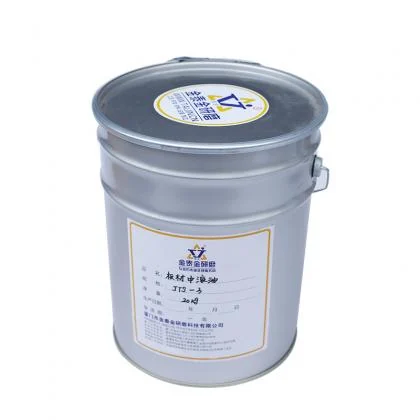
The surface finishing compound is an important part of the finishing process,and the right compound makes the difference between a good surface finish and a great surface finish. Compounds keep the surfaces of the media and components clean, and can also provide corrosion protection and/or degreasing. In order to determine the right compound for the process you must consider: 4 the >material the component is made of > the required surface finish >the individual application and process requirements Due to the ease of dosing, liquid compounds are most widely used with modern finishing systems. Powder compounds are recommended for special applications such as shock degreasing and media cleaning.
Read More
High-density plastic media
Plastic Finishing Media Dense Fast Cutting
Dense Fast Cutting Plastic Finishing Media is a game-changer when it comes to achieving a smooth and polished finish on plastic surfaces. Our high-density plastic media is engineered to provide a fast cutting action, reducing the time and effort required for surface finishing. Whether you need to deburr, clean, or polish plastic components, our fast cutting plastic abrasive can handle it all. Our plastic media is suitable for use in a variety of industries, including automotive, medical, electronics, and aerospace. The dense polishing media for plastic is designed to be long-lasting and provide consistent performance. It can be used with a vibratory tumbler or other finishing equipment to achieve the desired finish. Our abrasive compounds for plastic are available in different sizes, shapes, and abrasiveness levels to suit various applications. Contact us today to learn more about our fast cutting plastic finishing media and how it can benefit your business.
Read More

#+86-592-2381506

Email : info@surface-polish.com

Headquarters address : No. 31, Xinchang Road, Xinyang Industrial Zone, Haicang District, Xiamen

click here to leave a message

Leave A Message
If you are interested in our products and want to know more details,please leave a message here,we will reply you as soon as we can.

Home

Products

whatsapp

contact