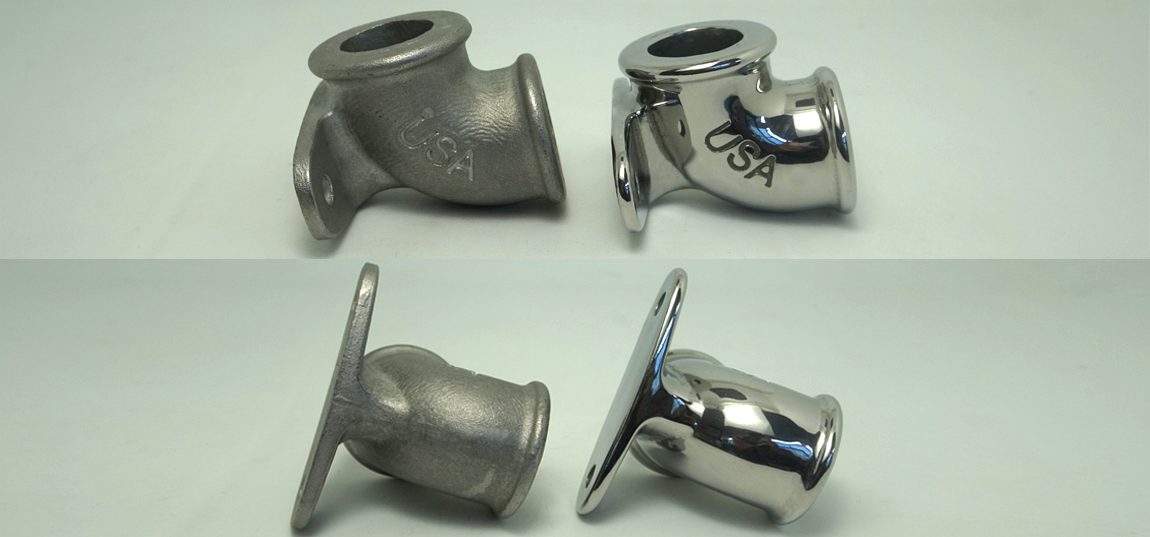
Vibrator and barrl finishing system for the plastics industry:deburring burrs,mold line, smooth the surface Automotive and electronics industries, household goods, mechanical engineering and medical technology: Thermosetting and thermoplastic functional parts and safety parts are of great importance to this most unique industry sector.The demand for this type of applications is increasing, as is t...
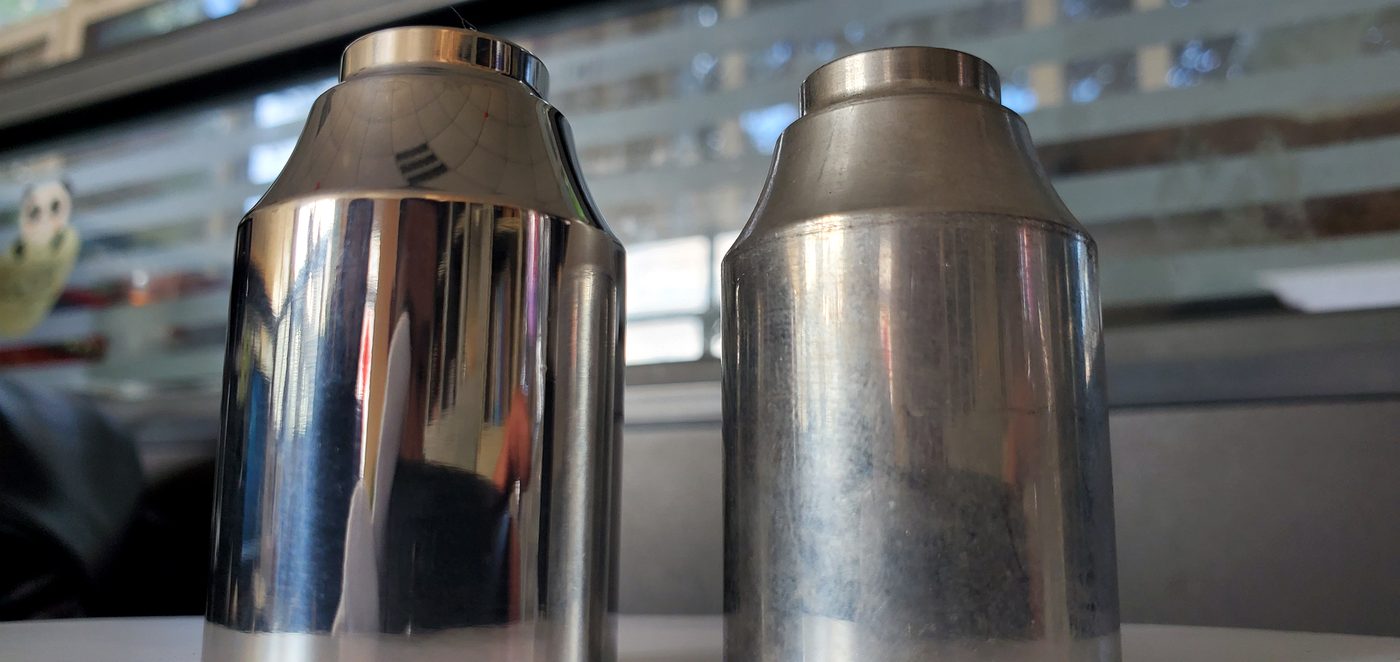
Titanium Surface Finishing Guide How to Polish Titanium Parts Without Scratches, Distortion, or Loss of Detail Titanium can be deburred, smoothed, brightened, or prepared for coating with mechanical finishing, but the correct route depends on geometry, starting defects, appearance requirements, and the amount of material that may be removed. A controlled sample trial is more reliable than selectin...
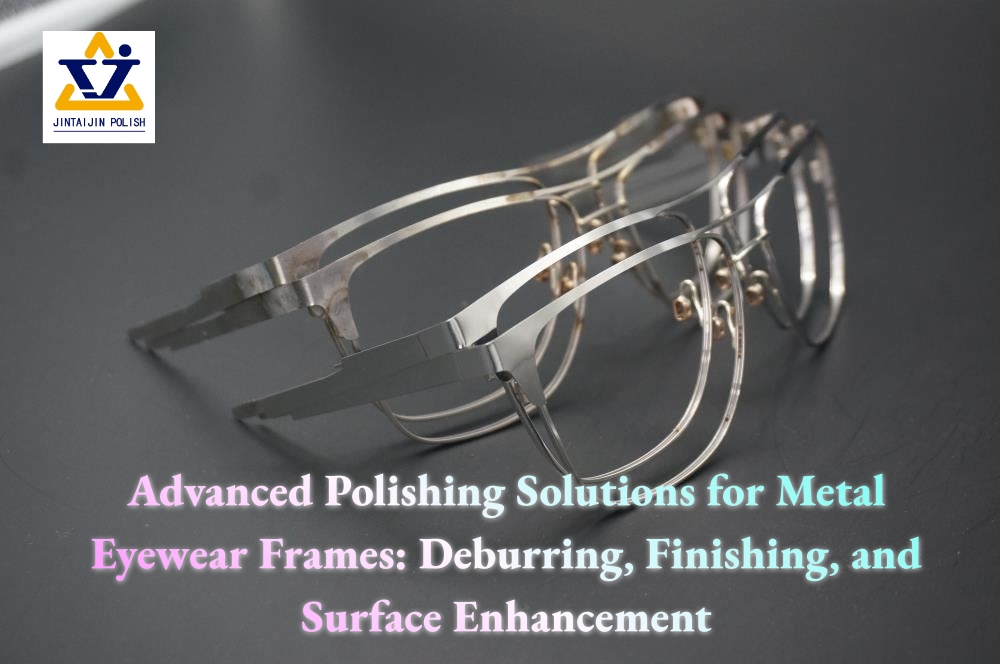
Introduction: The Precision Challenge in Metal Eyewear Manufacturing Metal eyewear frames demand flawless surfaces, intricate detailing, and long-lasting aesthetics. However, achieving mirror-like finishes while maintaining structural integrity requires overcoming challenges like micro-burrs, uneven textures, and post-processing contamination. Traditional methods often fall short in consistency, e...
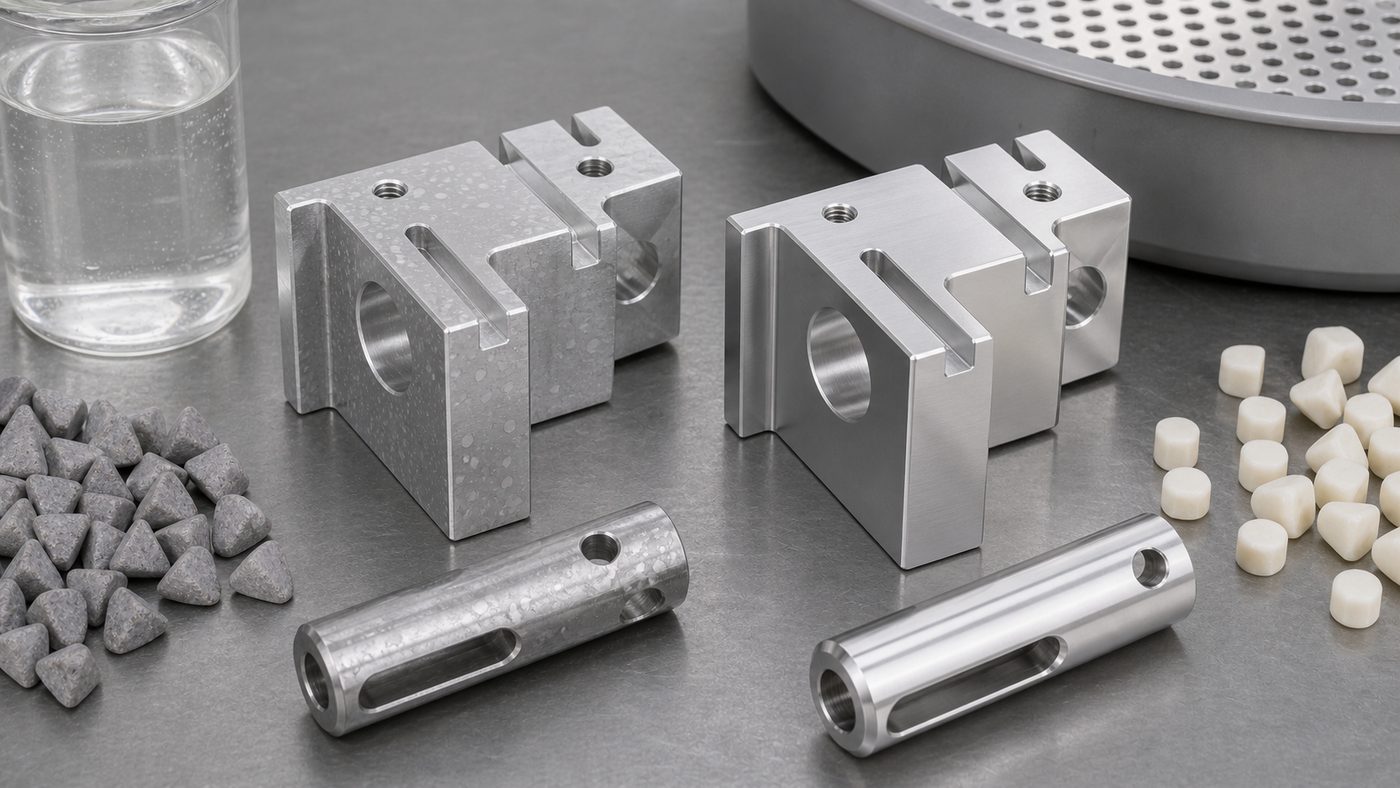
Ceramic Media vs Plastic Media: How to Choose the Right Tumbling Media Choosing between ceramic media and plastic media is one of the most important decisions in a mass finishing process. The right media can remove burrs, smooth edges, improve surface consistency, and reduce manual work. The wrong media can damage parts, leave poor finishes, lodge in holes, or make cycle time unnecessarily long. T...
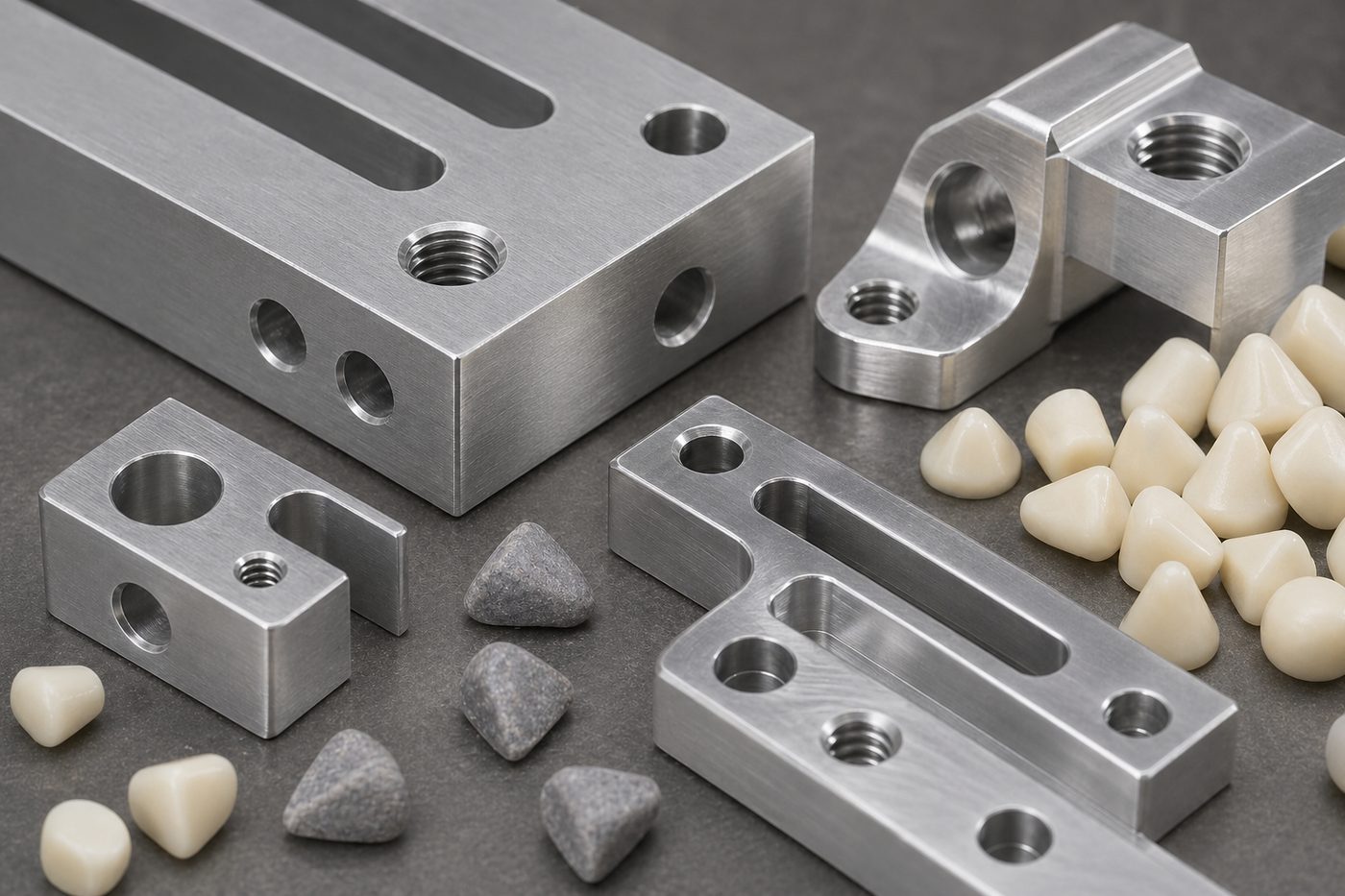
How to Remove Burrs from CNC Aluminum Parts Without Edge Damage CNC aluminum parts often need deburring after milling, drilling, tapping, or slotting. The challenge is not only removing burrs, but removing them without rounding critical edges, denting visible surfaces, damaging threads, or changing precision dimensions. A stable deburring process should protect the part while still producing clean...


 IPv6 network supported


 +86-592-2381506