Process Comparison Vibratory Finishing vs Barrel Tumbling Which Process Fits Your Parts Choosing between two finishing processes requires understanding how each method applies energy to the media, how the media contacts the part, and how the process variables scale with batch size and production rate. This comparison covers the key differences to help you decide which process matches your producti...
Wet Finishing Troubleshooting How to Prevent Water Spots, White Film, and Cloudy Stainless Steel After Tumbling A stainless steel part can look clean while wet and develop spots, haze, streaks, or a chalky film only after drying. This guide separates surface-finish problems from rinsing, compound, water-quality, and drying problems so the process can be corrected without unnecessarily extending th...
Process Troubleshooting Why Stainless Steel Parts Are Not Bright After Tumbling and How to Improve the Finish Surface finishing defects are often caused by interactions between multiple process variables rather than a single root cause. A systematic approach to identifying the actual problem reduces wasted time, media, and compound, and leads to faster process correction. When surface defects appe...
Plastic and Rubber Part Finishing Guide How to Deburr Plastic and Rubber Parts: Mass Finishing, Media, and Process Limits Flash, gate marks, machining burrs, and rough build lines do not all respond to the same finishing method. This guide explains when mass finishing is a practical option for plastic and rubber parts, how to select equipment and media, and when trimming, blasting, or cryogenic de...
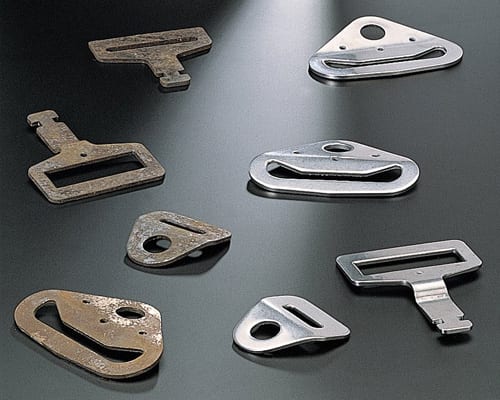
Stamped Parts Finishing Guide How to Deburr Stamped Metal Parts Without Tangling, Distortion, or Part-on-Part Damage Stamped washers, clips, brackets, and thin sheet-metal parts can be efficient mass-finishing candidates, but their geometry creates risks that solid machined parts do not have. This guide explains how to evaluate the burr, select a machine and media, control part interaction, and bu...
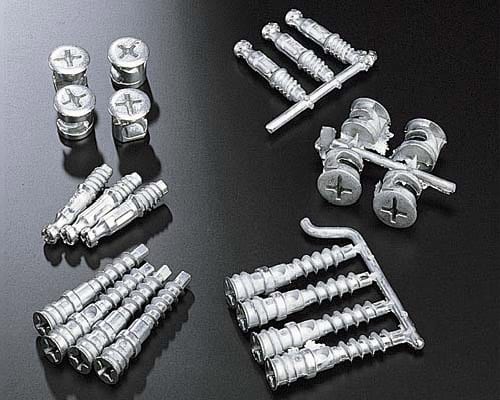
Small Parts Finishing Guide How to Deburr Small Fasteners Without Damaging Threads, Points, or Recesses Screws, bolts, nails, pins, and rivets can be processed in bulk, but their functional features make them less forgiving than simple metal blanks. The right mass finishing process must remove loose burrs while protecting threads, points, drive recesses, hollow sections, and dimensional fit. Small...
Printable Process-Control Resource Mass Finishing Sample Trial Record for Small Precision Parts Use this non-promotional worksheet to define the incoming part, record one controlled finishing trial, compare results, and decide whether the process is ready for a repeat run. Important: This record does not replace a drawing, control plan, safety procedure, material compatibility review, or customer ...




 IPv6 network supported


 +86-592-2381506