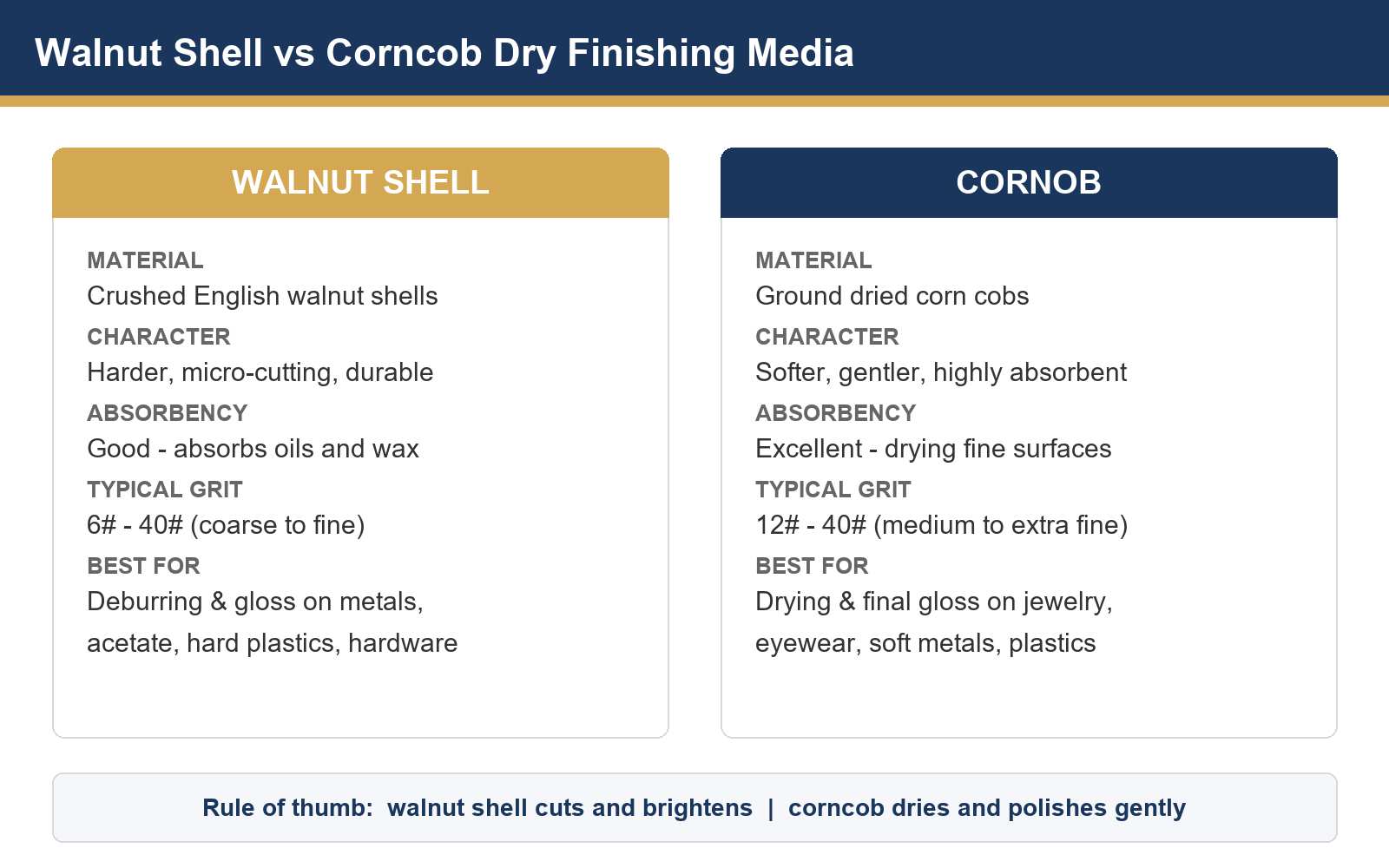
Walnut Shell vs Corncob: How to Choose Dry Tumbling Media for Eyewear, Jewelry & Hardware Dry finishing media selection guide • Walnut shell & corncob • For dry tumbling, vibratory and centrifugal lines Dry organic media — crushed walnut shell and ground corncob — is the workhorse of dry tumbling and dry vibratory finishing. The two materials look similar in the bag, but they behave very d...
Double-Deck Bamboo Tumbling Machine: Standard Operating Procedure, Control Guide & Finishing Recipes Model Series: SP-TB4 / SP-TB8 • Precision Dry Tumbling System • Official operation manual The SP-TB Series double-deck bamboo tumbling machine is a precision dry tumbling system designed for high-gloss finishing of premium eyewear frames (acetate, propionate), fine hardware, jewelry, and luxury...
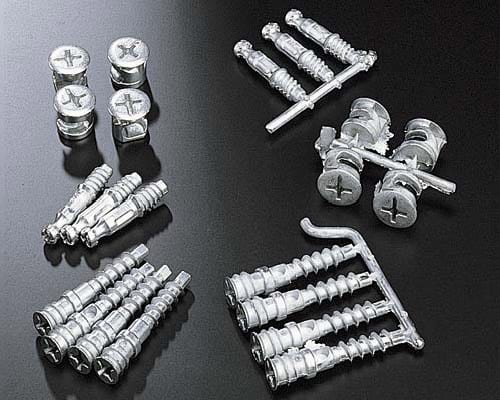
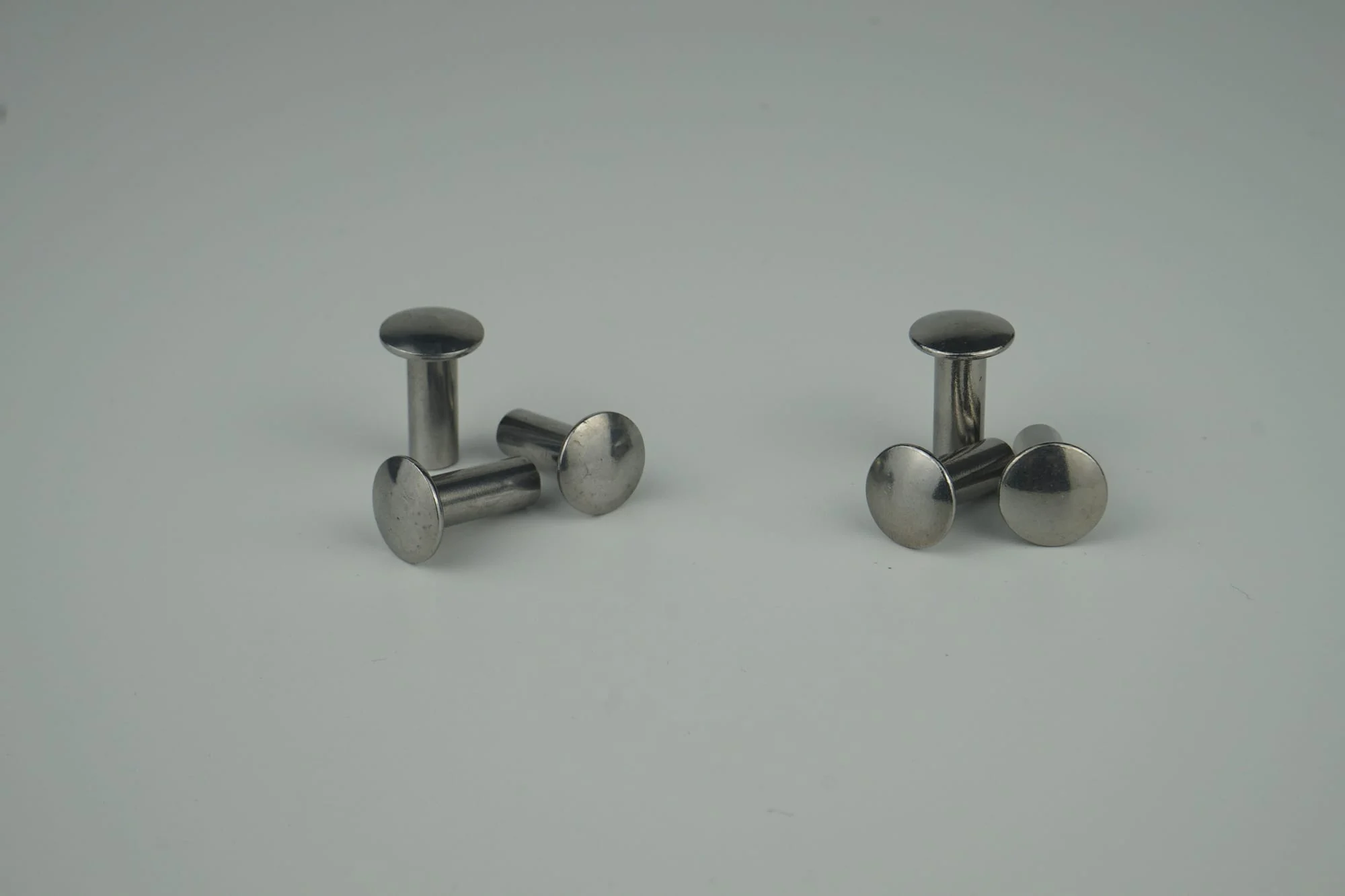
Small Parts Finishing Guide How to Deburr Small Fasteners Without Damaging Threads, Points, or Recesses Screws, bolts, nails, pins, and rivets can be processed in bulk, but their functional features make them less forgiving than simple metal blanks. The right mass finishing process must remove loose burrs while protecting threads, points, drive recesses, hollow sections, and dimensional fit. Small...
Wet Finishing Troubleshooting How to Prevent Water Spots,White Film,and Cloudy Stainless Steel After Tumbling A stainless steel part can look clean while wet and develop spots,h
Production Separation Guide How to Separate Small Parts from Tumbling Media: Screens, Size Control, and Process Design A finishing cycle is not production-ready until parts can be separated from media repeatedly. This guide explains how part geometry, media wear, screen design, orientation, and external separation methods affect labor, carryover, and the risk of trapped media. Part-media separatio...
Surface Finishing How to Achieve Mirror Finish on Stainless Steel with Mechanical Polishing This guide covers the key factors to consider when planning a surface finishing process
Equipment Selection Guide How to Choose the Right Tumbling Media for Metal Deburring Selecting the right equipment for your production requirements involves more than matching mach
Process Troubleshooting How to Prevent Media Lodging in Holes Slots and Threads Surface finishing defects are often caused by interactions between multiple process variables rather
Process Troubleshooting Why Your Parts Have Water Spots After Vibratory Finishing and How to Fix It When manufacturers face surface finishing challenges,the root cause is often no
We use essential storage to keep this site working. With your permission, Google Analytics 4 helps us understand visits and improve the site. Advertising storage, ad user data, and ad personalization always stay off.






 IPv6 network supported


 +86-592-2381506