How to use vibration machine The right operation and use for machines, not only make the good products, also will keep the machine in a good conditions and prolong the service time. We will introduce the vibration machine process and maintenance. Firstly, it’s about the environment. The proper temperature, humidity and clear place all very important to the machine. Secondly, it’s about the i...
As the year draws to a close and the festive spirit of Christmas envelops us, at Jintaijin, we reflect on the brilliance and resilience of the human spirit. In a year filled with challenges and triumphs, we've continued to polish our skills, perfect our craft, and provide you with solutions that make your products shine. The holiday season is a time for joy, and what better way to celebrate than b...
Surface Finishing Vibratory Finishing vs Barrel Tumbling Which Process Fits Your Parts When manufacturers face surface finishing challenges, the root cause is often not what they initially suspect. Parts come back from tumbling with inconsistent results — some look acceptable, others show defects that require rework or scrap. The key to solving these problems is understanding the process variables...
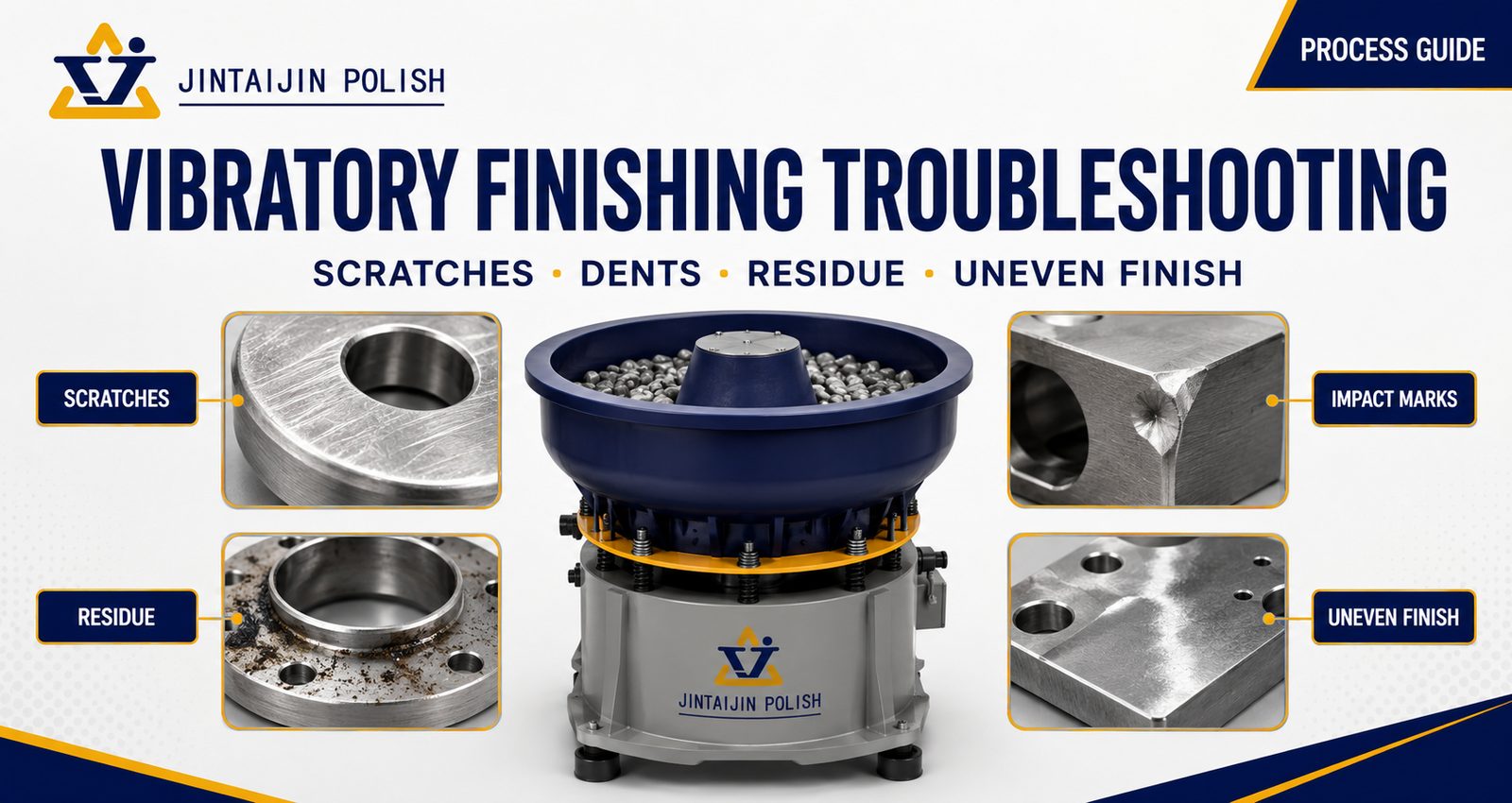
Process Troubleshooting Guide Vibratory Finishing Troubleshooting: How to Fix Scratches, Dents, Residue, and Uneven Results Most vibratory finishing defects are caused by an interaction between parts, media, compound, water, machine settings, and post-process handling. This guide helps you identify the visible symptom, isolate the likely cause, and test one controlled adjustment at a time. When a ...
Process Comparison Vibratory Finishing vs Barrel Tumbling Which Process Fits Your Parts Choosing between two finishing processes requires understanding how each method applies energy to the media, how the media contacts the part, and how the process variables scale with batch size and production rate. This comparison covers the key differences to help you decide which process matches your producti...
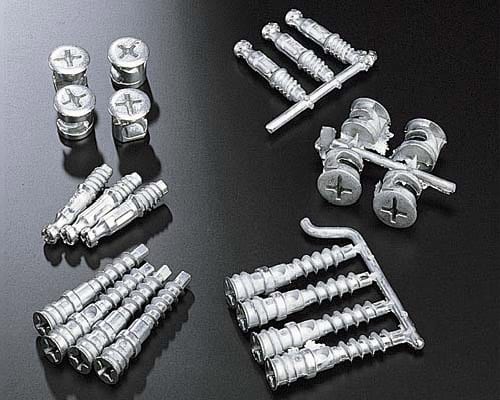
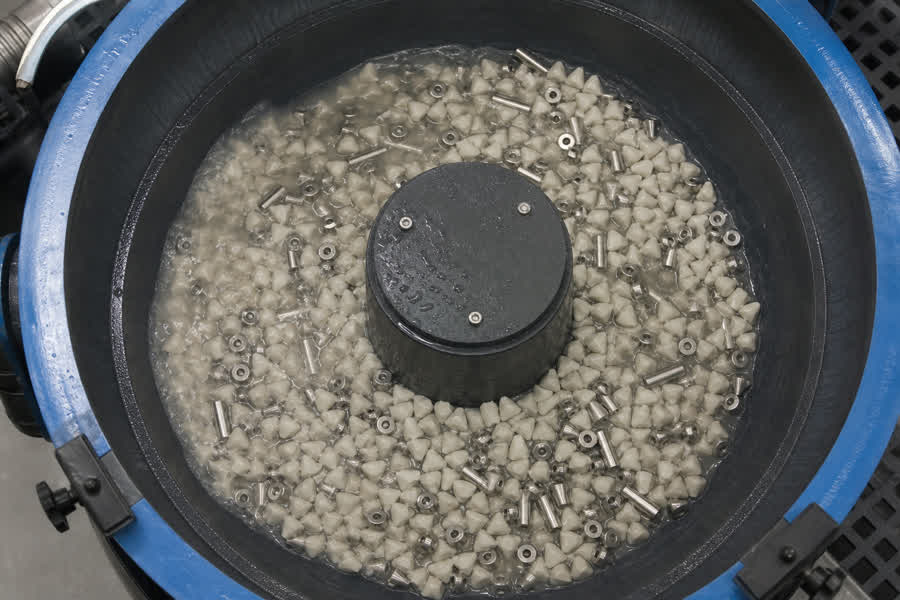
Small Parts Finishing Guide How to Deburr Small Fasteners Without Damaging Threads, Points, or Recesses Screws, bolts, nails, pins, and rivets can be processed in bulk, but their functional features make them less forgiving than simple metal blanks. The right mass finishing process must remove loose burrs while protecting threads, points, drive recesses, hollow sections, and dimensional fit. Small...
Printable Process-Control Resource Mass Finishing Sample Trial Record for Small Precision Parts Use this non-promotional worksheet to define the incoming part, record one controlled finishing trial, compare results, and decide whether the process is ready for a repeat run. Important: This record does not replace a drawing, control plan, safety procedure, material compatibility review, or customer ...
PURCHASING SCOPE GUIDE How to Compare Mass Finishing Quotations for CNC Metal Parts Compare trial evidence, equipment scope, separation, drying and acceptance conditions before choosing a mass finishing quotation for industrial CNC parts. Quick answer: Two quotations with similar machine capacities may describe very different production systems. For CNC metal parts, compare the part specification ...


 IPv6 network supported


 +86-592-2381506