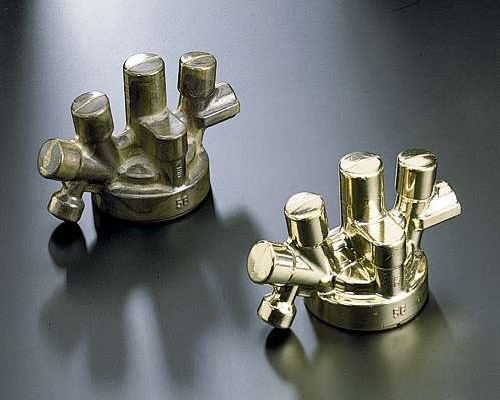
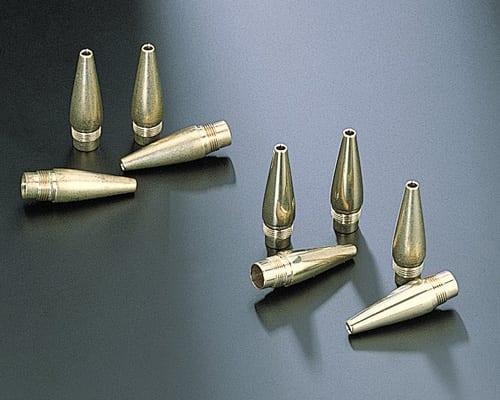
Brass Component Finishing Guide How to Finish Brass Valves and Fittings Without Damaging Threads or Sealing Surfaces Brass valve bodies, pipe fittings, sleeves, and connectors can be deburred and surface-finished in batches, but their threads, bores, sealing faces, flats, and thin edges require separate protection and inspection. The best process removes the actual defect without changing how the ...
Printable Process-Control Resource Mass Finishing Sample Trial Record for Small Precision Parts Use this non-promotional worksheet to define the incoming part, record one controlled finishing trial, compare results, and decide whether the process is ready for a repeat run. Important: This record does not replace a drawing, control plan, safety procedure, material compatibility review, or customer ...
Ceramic vs Plastic Tumbling Media for Aluminum, Brass and Steel Parts Cover design direction: show the decision, not a generic machine hero. Add English labels “CERAMIC MEDIA” and “PLASTIC MEDIA” only if the cover is redesigned. How to Choose Ceramic vs Plastic Media for Aluminum, Brass and Steel Parts Short answer: choose ceramic media when controlled cutting, burr removal or edge radiusing is th...
Ceramic vs Plastic Tumbling Media for Aluminum, Brass and Steel Parts How to Choose Ceramic vs Plastic Media for Aluminum, Brass and Steel Parts Short answer: choose ceramic media when controlled cutting, burr removal or edge radiusing is the priority; choose plastic media when a lower-impact, lighter-contact process is needed for softer metals, cosmetic surfaces or a finer finishing stage. The co...