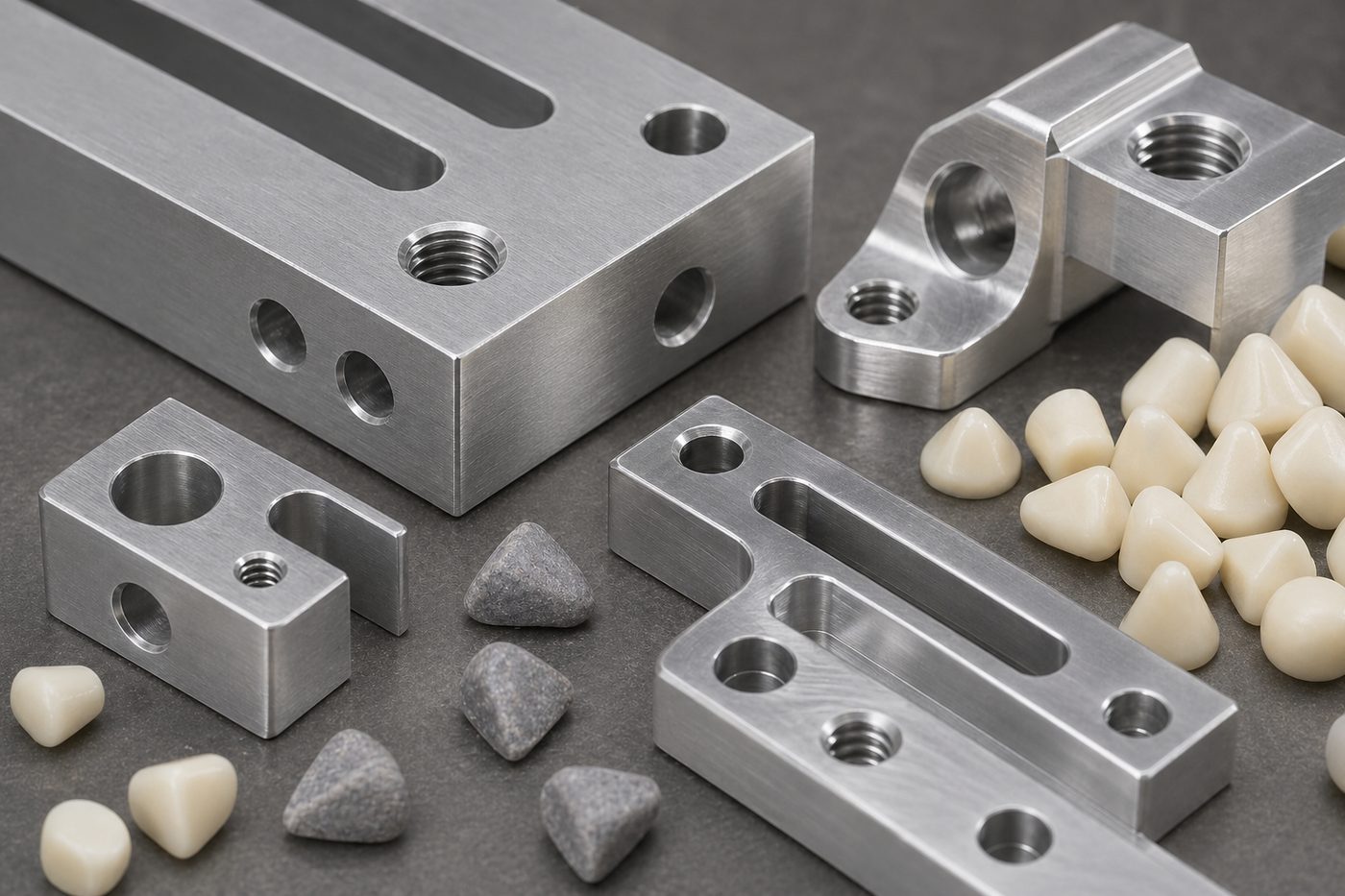
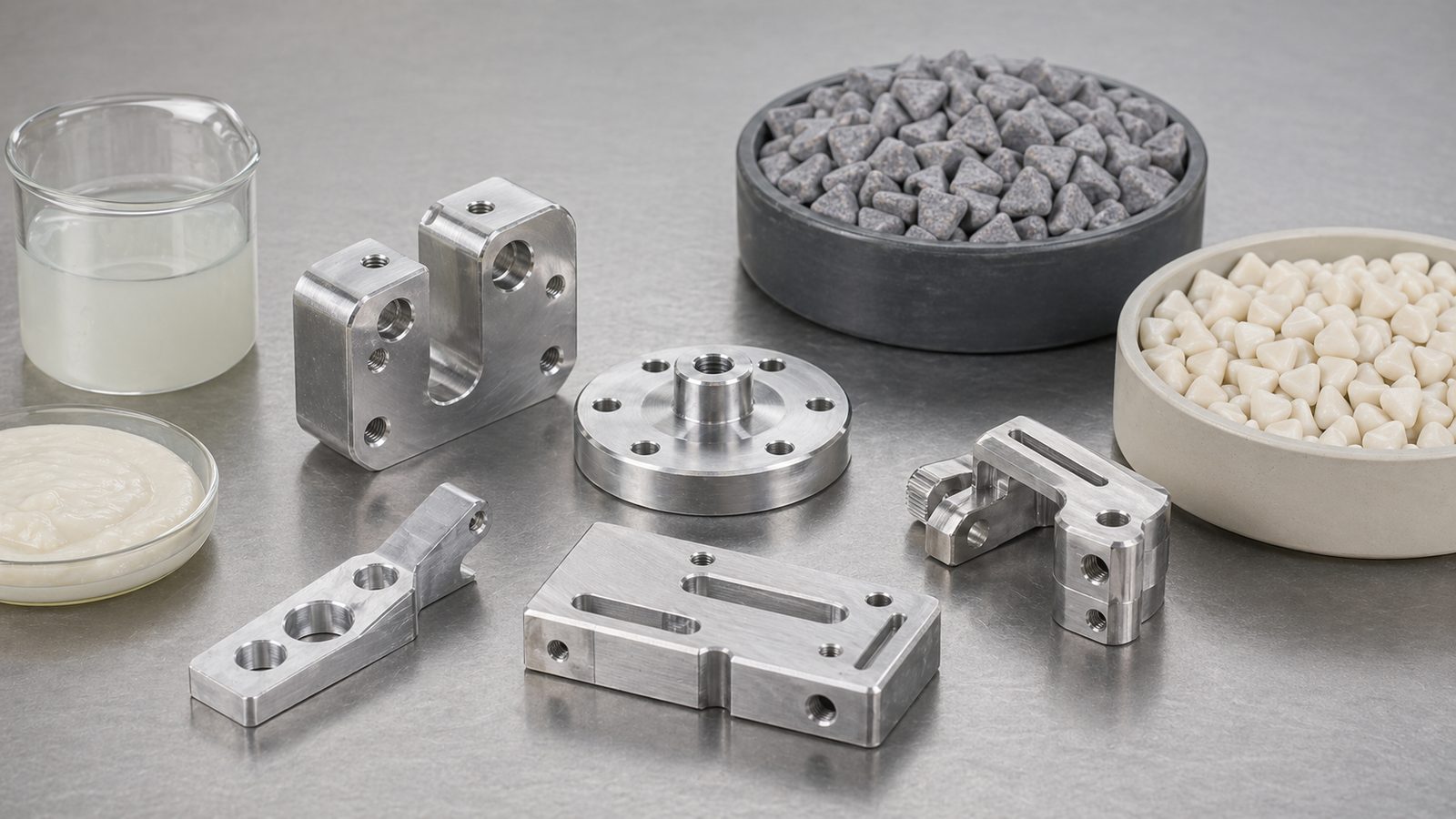
Ceramic Media vs Plastic Media: How to Choose the Right Tumbling Media Choosing between ceramic media and plastic media is one of the most important decisions in a mass finishing process. The right media can remove burrs, smooth edges, improve surface consistency, and reduce manual work. The wrong media can damage parts, leave poor finishes, lodge in holes, or make cycle time unnecessarily long. T...
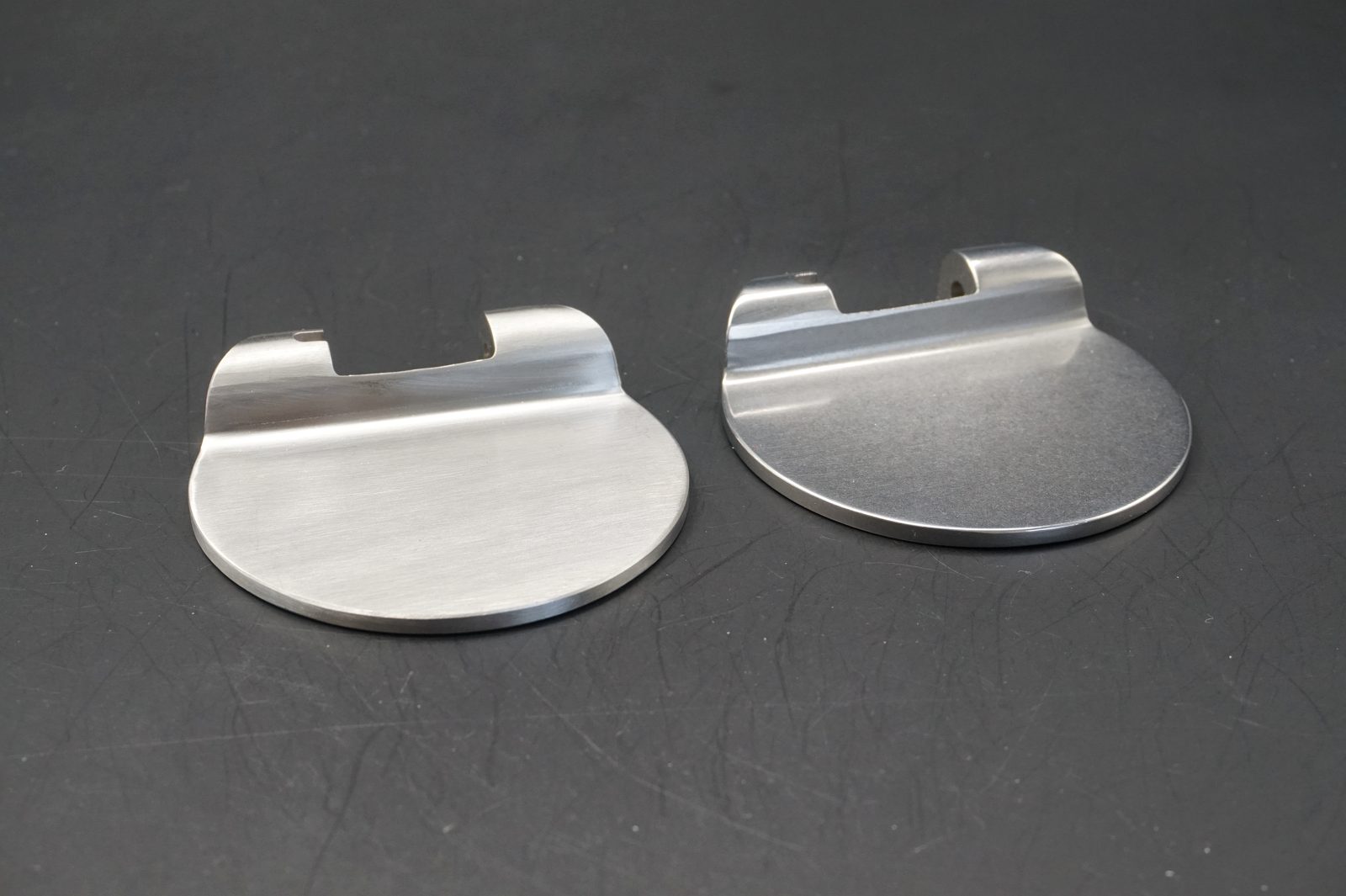
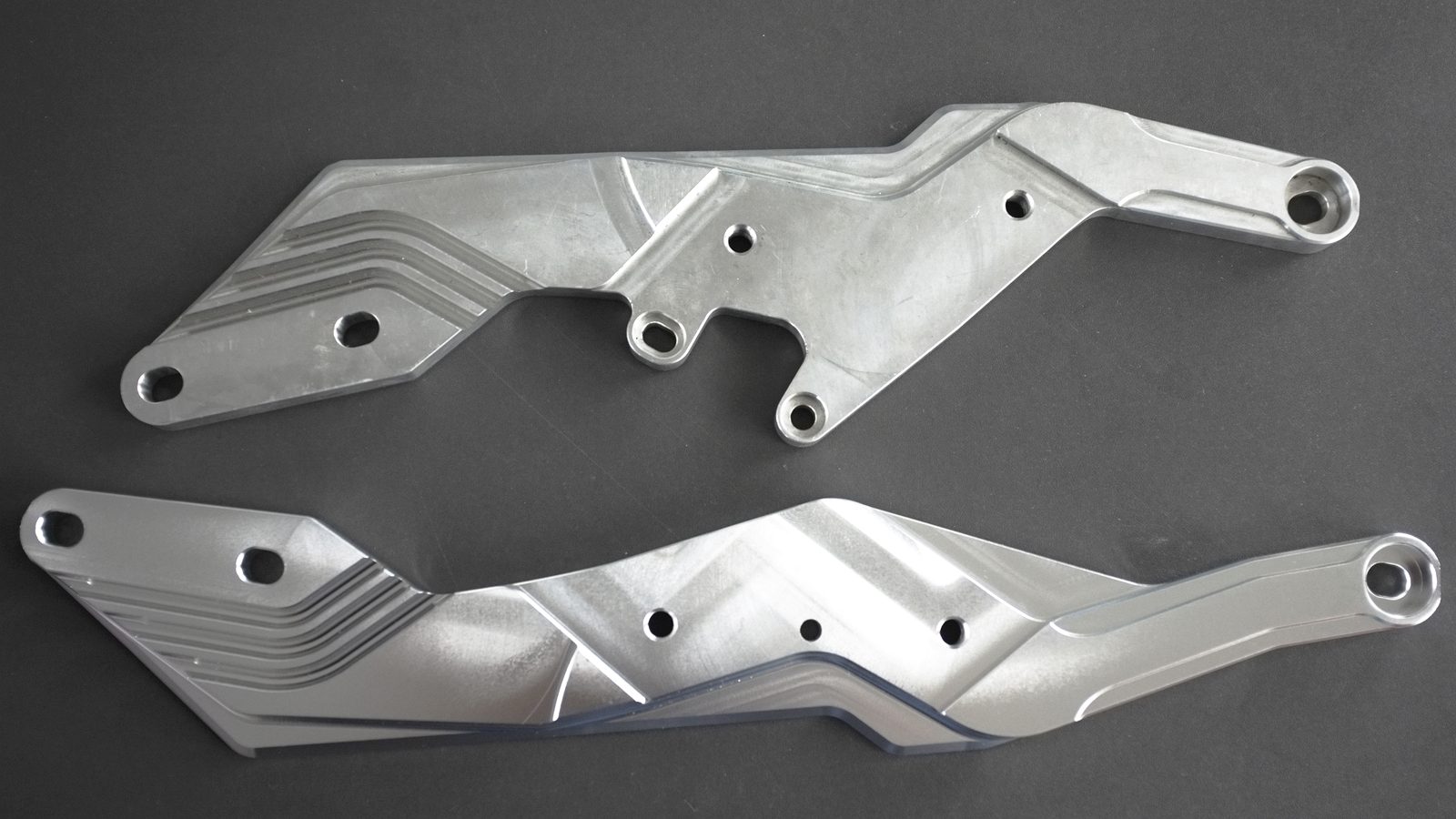
How to Remove Burrs from CNC Aluminum Parts Without Edge Damage CNC aluminum parts often need deburring after milling, drilling, tapping, or slotting. The challenge is not only removing burrs, but removing them without rounding critical edges, denting visible surfaces, damaging threads, or changing precision dimensions. A stable deburring process should protect the part while still producing clean...
Media Selection Guide Ceramic Media vs Plastic Media How to Choose the Right Tumbling Media When manufacturers face surface finishing challenges, the root cause is often not what they initially suspect. Parts come back from tumbling with inconsistent results — some look acceptable, others show defects that require rework or scrap. The key to solving these problems is understanding the process vari...
Media Selection Guide How to Prevent Tumbling Media from Lodging in Holes Slots and Threads When manufacturers face surface finishing challenges, the root cause is often not what they initially suspect. Parts come back from tumbling with inconsistent results — some look acceptable, others show defects that require rework or scrap. The key to solving these problems is understanding the process vari...
CNC Aluminum Deburring Guide How to Remove Burrs from CNC Aluminum Parts Without Edge Damage A controlled mass-finishing process can remove light machining burrs, soften tool marks, and prepare aluminum parts for anodizing or coating. The challenge is to remove the burr without rounding functional edges, changing hole geometry, denting the surface, or staining the alloy. CNC aluminum components of...


 IPv6 network supported


 +86-592-2381506