
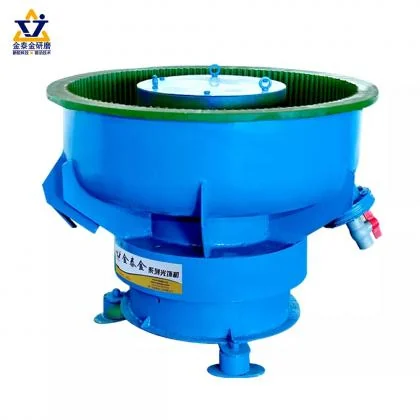
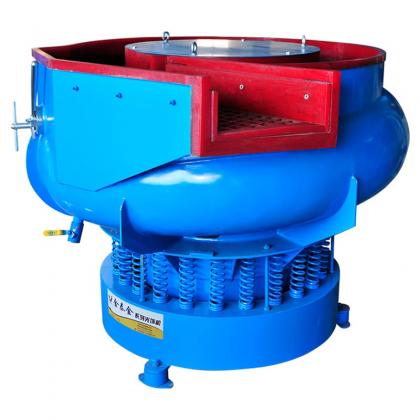
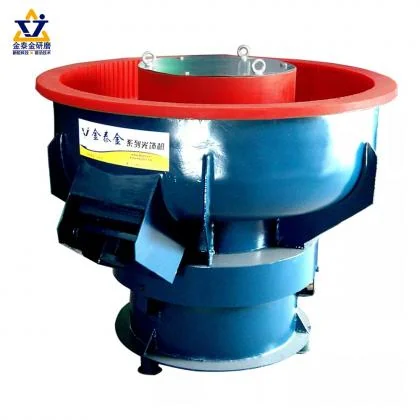
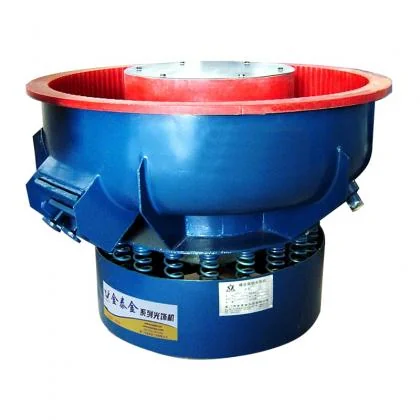
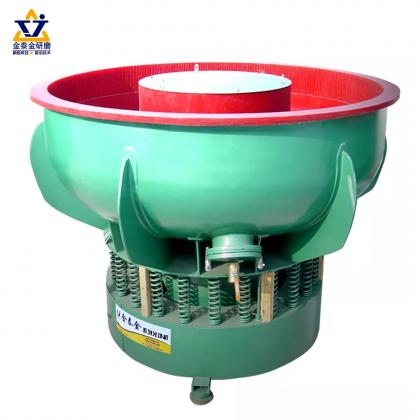
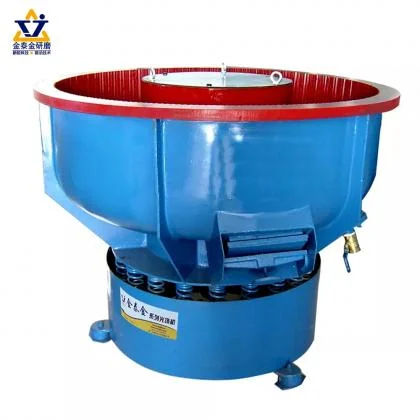
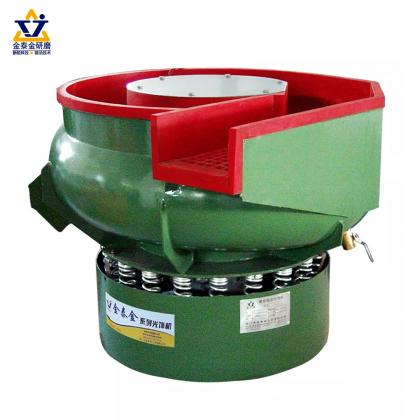
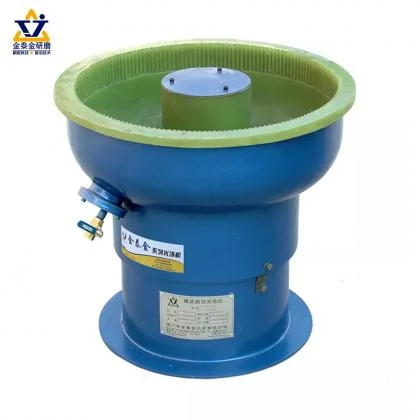
Experience the revolution in grinding and polishing with Jintaijin Polish's Octagonal Water Tumbling Grinding and Polishing Machine, and explore how it can transform your industrial processes today.
| Consideration | What it affects | Direction |
|---|---|---|
| Octagonal drum shape | How parts tumble and contact each other | Suits parts that tolerate tumbling contact |
| Water and compound flow | Cleaning and cutting support | Check flow and concentration before the cycle |
| Load level | Whether parts press against each other | Reduce the load if parts are marking |
| Part size and weight | Whether the drum can carry and move them | Confirm against the working envelope |
| Internal features | Whether media can reach them | Size media below the smallest opening |
| Rinse and dry | Whether water spots remain | Separate the two stages |
Directions to test on a representative sample, not validated results for a specific component.
An octagonal drum sits between a round barrel and a hexagonal one. The flat faces change how the charge is lifted and dropped compared with a smooth round drum, producing a more predictable tumbling path, but the number of faces means the action is less abrupt than in a hexagonal barrel.
The practical effect is an action that is somewhat faster and more uniform than a round drum of the same size, while remaining gentler than a high-energy process. That places octagonal drums in a middle band: suitable where a round barrel is too slow but a centrifugal process would be too energetic for the part.
Because the process is wet, the water and compound do as much work as the drum geometry in determining the result. Water carries fines away from the contact area and keeps the charge clean; compound conditions the surface. If either is neglected, the drum cannot compensate.
The load is the first thing to establish, because the drum has to be able to turn the charge over. Loaded too full, the charge cannot move and the parts in the centre see far less contact than the parts near the walls. Loaded too lightly, parts fall rather than slide, and delicate surfaces can be marked. The usable range is narrower than on a vibratory machine, so the load is best established by watching the charge in motion rather than by filling to a marked level.
After the load, media and water flow come next, and cycle time last. Where parts come out marked, the useful order of investigation is load first, then media, then cycle — because in a tumbling process the damage usually comes from parts pressing on each other rather than from the media itself.
Email : info@surface-polish.com


 IPv6 network supported



 +86-592-2381506
