The Ultimate Guide to Polishing Stainless Steel Surfaces with the Jintaijin Vibratory Polishing Machine
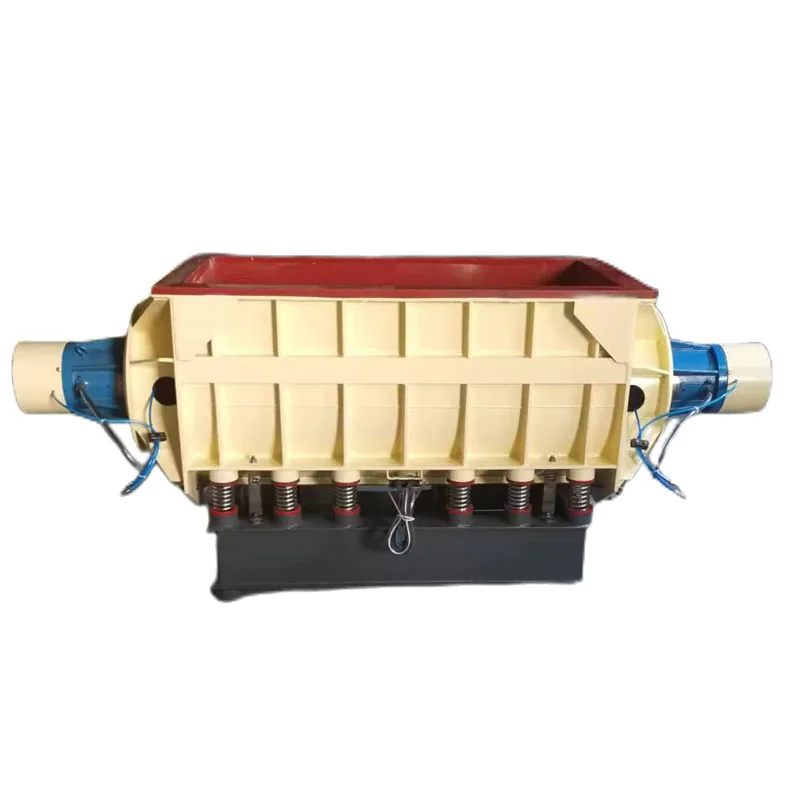
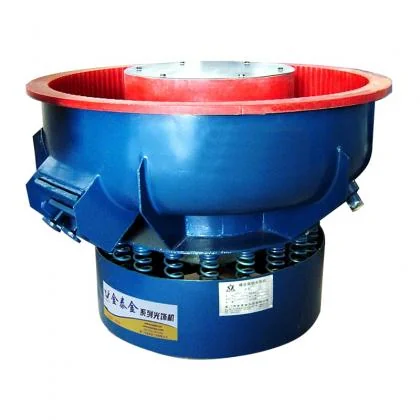
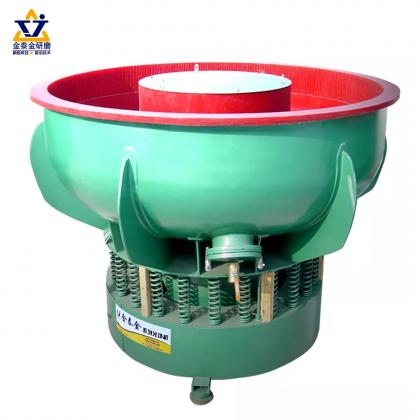
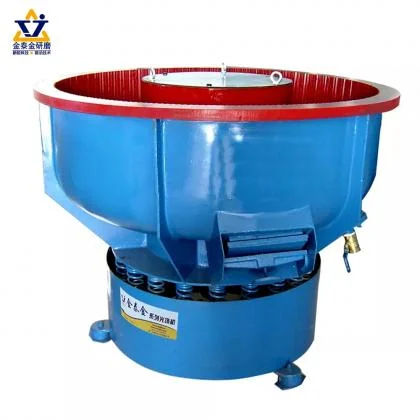
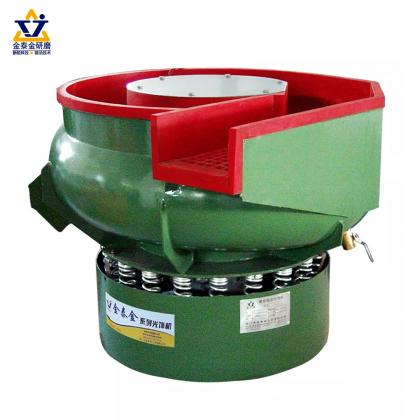
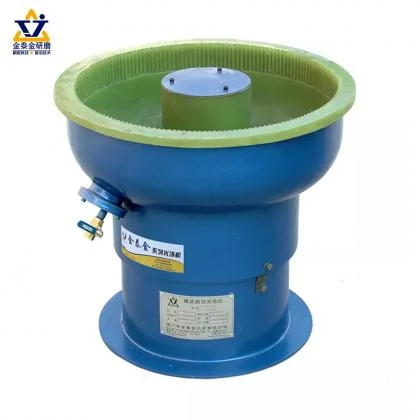
Stainless steel is a popular material used in a wide range of industries due to its durability, resistance to corrosion, and aesthetic appeal. However, over time, stainless steel surfaces can become dull and tarnished, losing their shine and luster. This is where the Jintaijin Vibratory Polishing Machine comes in, providing an efficient and effective way to polish stainless steel surfaces.
The Jintaijin Vibratory Polishing Machine is part of a range of Automatic Mass Finishing Systems that use various methods to polish and finish materials. Other machines in this range include Ceramic Wheel Polishing Machines, Dry Finishing Media, Magnetic Finishing Machines, Rotary Barrel Tumbling Machines, and Rotary Tumbling Machines.
To use the Jintaijin Vibratory Polishing Machine to polish stainless steel surfaces, the first step is to select the appropriate Special Finishing Media. This could be ceramic media, plastic media, or stainless steel media depending on the level of polish required and the type of stainless steel being polished.
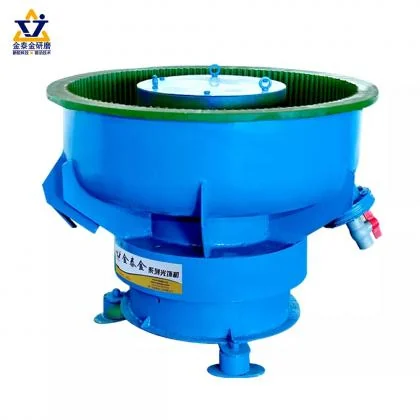
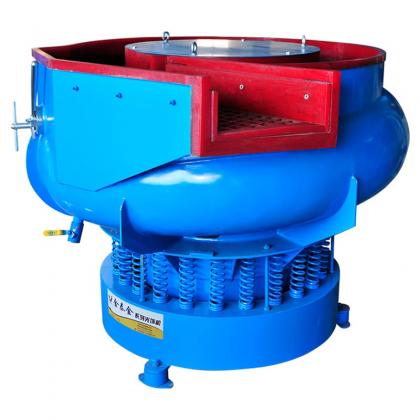
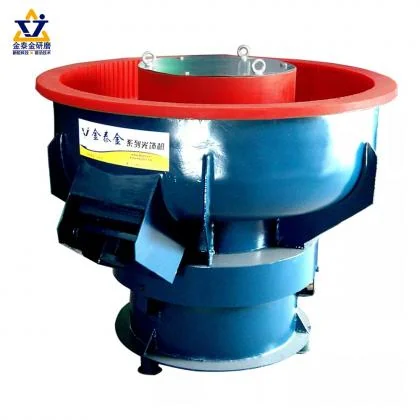
Once the media is selected, the stainless steel parts are loaded into the Jintaijin Vibratory Polishing Machine, along with the appropriate amount of media and any necessary polishing compounds. The machine is then turned on, and the stainless steel parts and media are vibrated together, causing friction that polishes the surfaces.
The Jintaijin Vibratory Polishing Machine uses a unique process that ensures the media is evenly distributed throughout the machine, which results in consistent polishing of all parts. This is achieved through a combination of vibration and centrifugal force, which ensures that the media moves evenly around the machine.
Compared to other polishing methods such as manual polishing or rotary tumbling machines, the Jintaijin Vibratory Polishing Machine offers several advantages. Firstly, it is much faster and more efficient, capable of polishing large batches of stainless steel parts in a short amount of time. Secondly, it is more consistent, producing a uniform level of polish across all parts. Finally, it is much easier to operate, requiring minimal labor and supervision.
In conclusion, if you need to polish stainless steel surfaces, the Jintaijin Vibratory Polishing Machine is an excellent option. As part of the Automatic Mass Finishing Systems, it offers a reliable and efficient way to polish stainless steel parts to a high level of shine and luster. With the right Special Finishing Media, this machine can handle a wide range of stainless steel parts, making it a valuable addition to any production or manufacturing facility.

|
|
|
Stainless steel is one of the most revealing materials to finish, in both senses. It does not mark as readily as softer metals, so it tolerates a broader process window than aluminium or copper. But it also shows surface variation more clearly than almost any other material, particularly on a bright finish and particularly under directional light.
That second property is what makes stainless work demanding. A batch where the media charge was slightly unevenly distributed, or where a few parts shield others, can produce a delivery in which individual parts look correct but the set does not match. How the finished parts are inspected matters: a diffuse overhead light hides differences that a raking light reveals.
The other characteristic worth understanding is that stainless retains the pattern of each abrasive stage. A fine finishing stage polishes over the marks left by a coarser one rather than removing them. A part can therefore look bright straight on and show the earlier pattern when tilted — which is a staging problem, not a finishing-stage problem.
The most common complaint about finished stainless parts is spots or a cloudy film that appears after drying. This is almost never a finishing fault. It is what happens when dissolved minerals and compound residue are left on the surface and then dried in place.
Separating the stages is the fix. Rinsing with clean water, then drying with a defined method, addresses both the mineral deposits and the compound residue. Where the parts still come out spotted, checking the rinse water and the drying method before reconsidering the finishing stage saves a great deal of unnecessary adjustment.
Email : info@surface-polish.com


 IPv6 network supported





 +86-592-2381506
