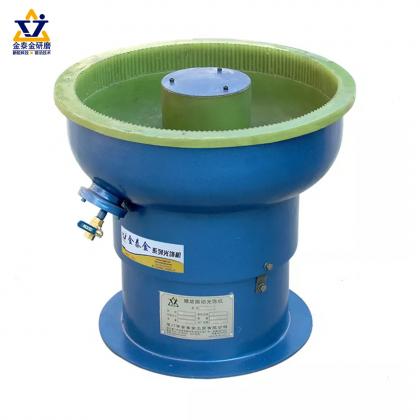
Plastic Polishing Techniques for Damage-Free Barrel Tumbling
Plastic parts can be polished in a barrel tumbler, but the process must control contact, heat, media lodging, and part separation. The safest setup starts with a sample trial rather than a guaranteed cycle time.
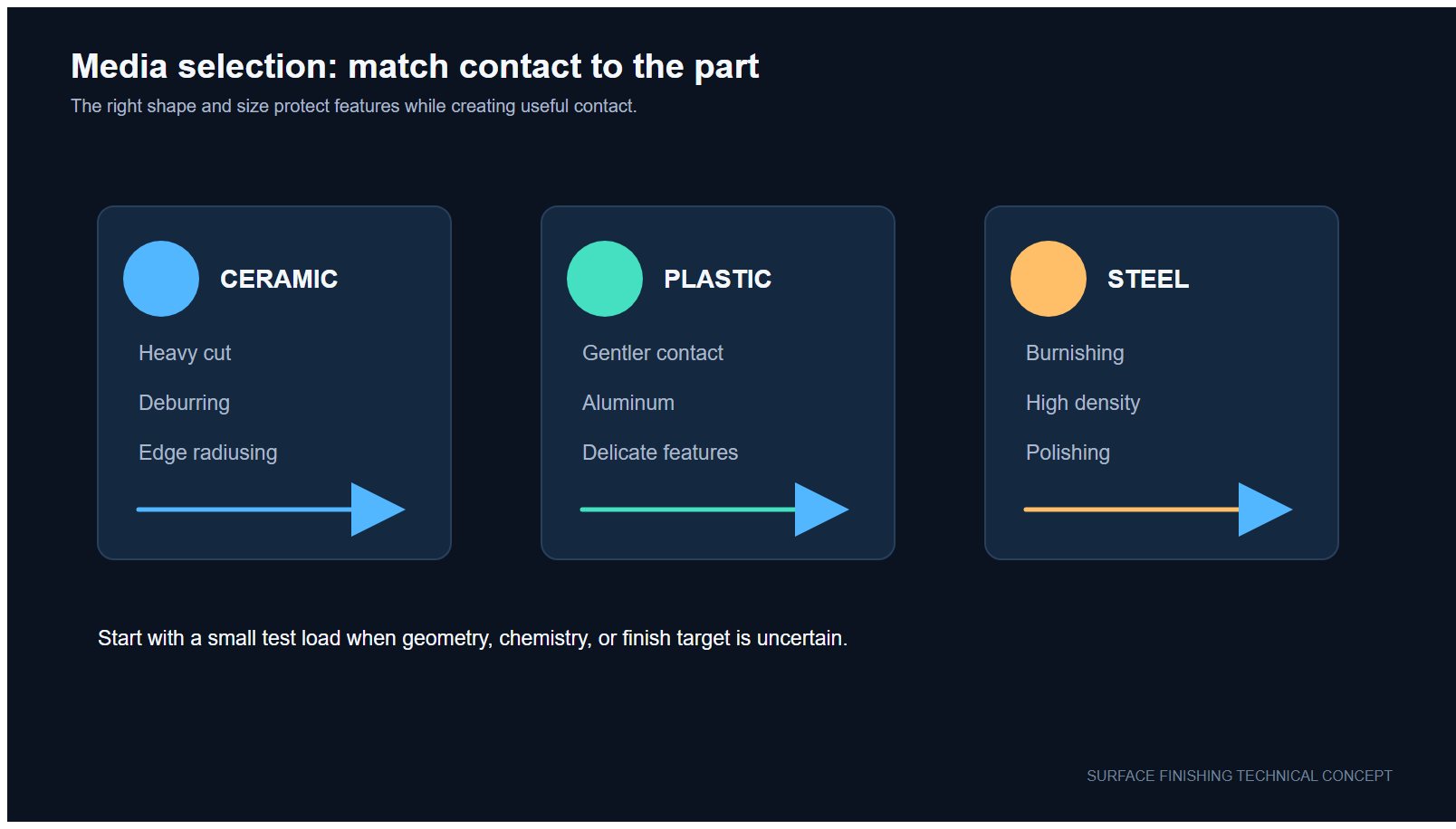
Start with the part geometry and cosmetic risk
Record the resin or compound, wall thickness, edges, slots, cosmetic faces, and any surfaces that must remain clear. Thin edges, snap features, and nested parts need separation checks before production.
Why nylon media is often considered for plastic parts
Nylon media is a lower-impact option for many plastic finishing trials. The correct grade, shape, size, load ratio, compound, and process time still depend on the part. Do not treat a media label as proof of a finished result.
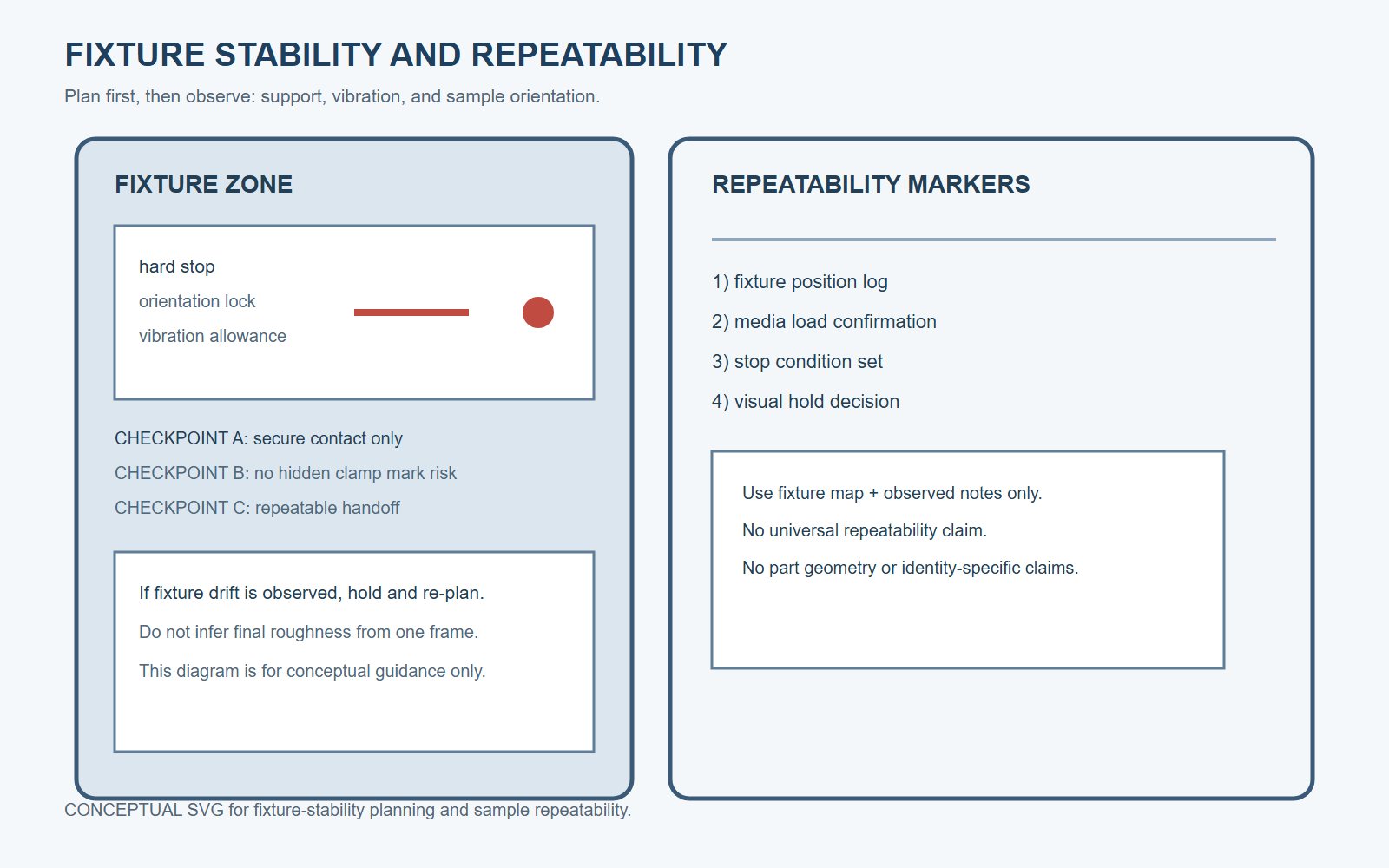
Prevent scratches, witness marks, and edge damage
Reduce uncontrolled part-to-part contact, avoid media that bridges across openings, and inspect high-risk edges after short trial intervals. Separate similar parts where nesting or lodging is observed.
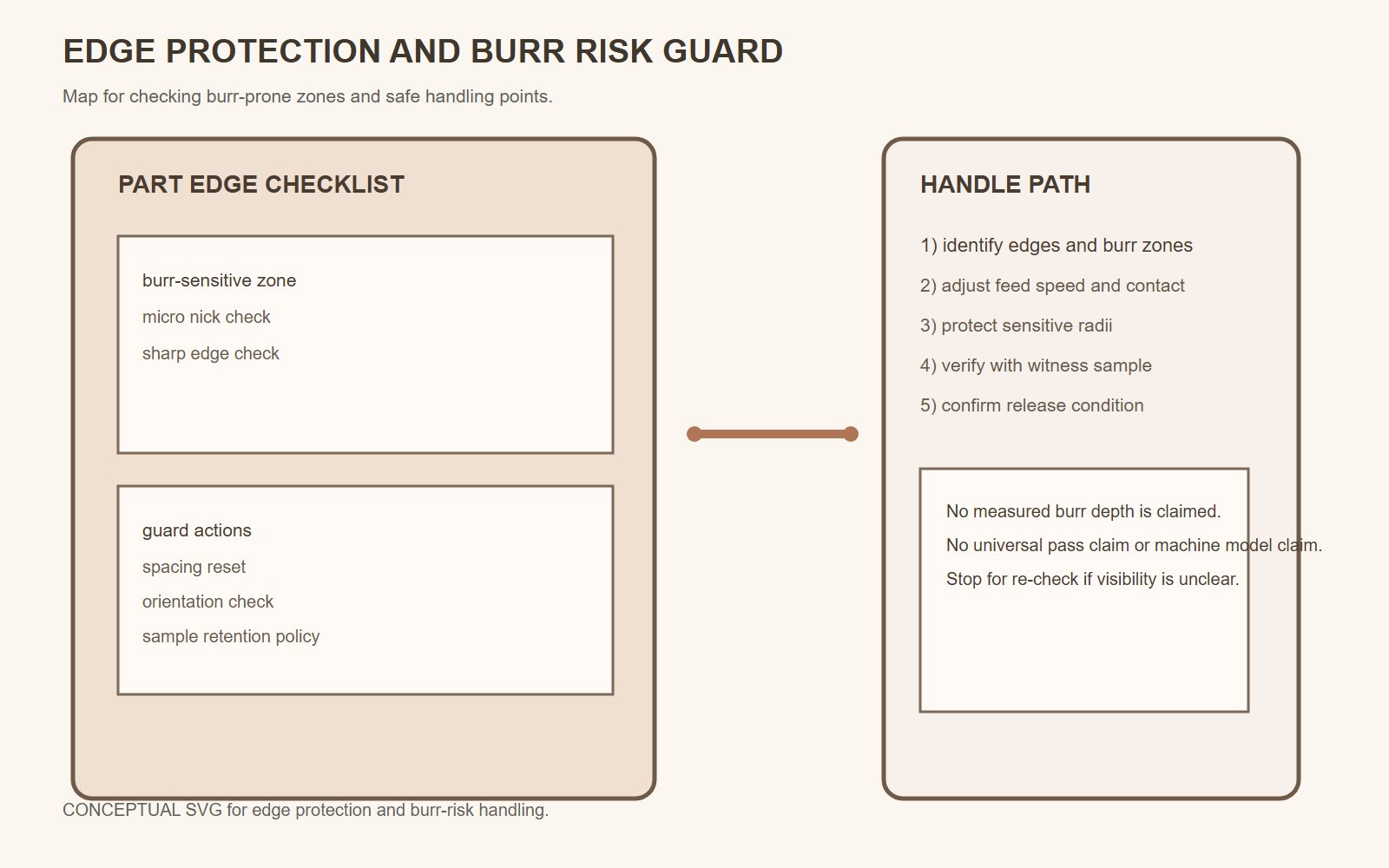
Use a sample trial and inspection record
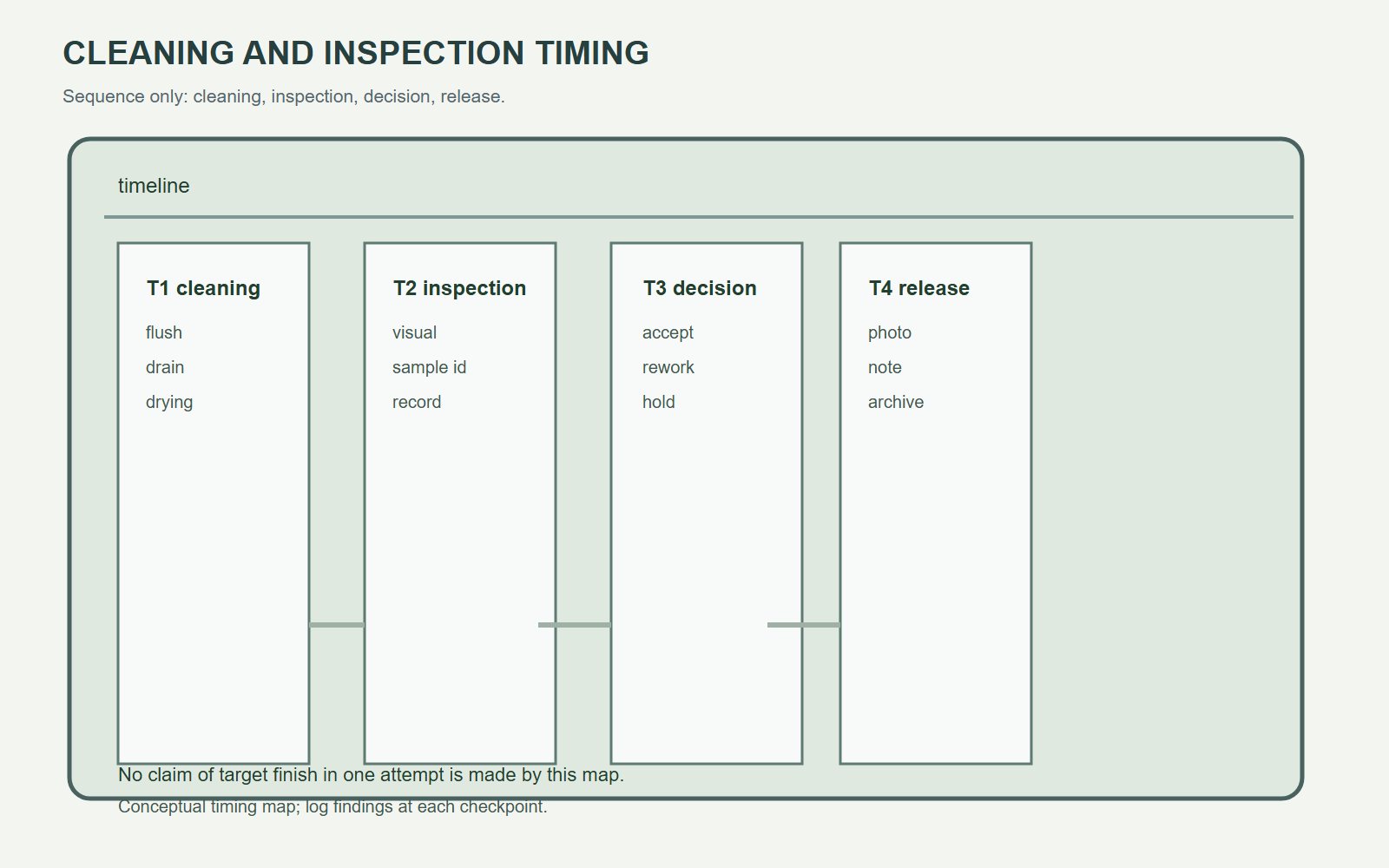
Record the starting defect, media specification, compound, water or dry process, load, time, temperature observations, and inspection result. Release a production setting only after the buyer’s cosmetic and dimensional checks pass.
When to request a process review
Send representative parts, material details, photos of the defect, target finish, and restrictions on edges or openings. SurfacePolish can then help compare a barrel tumbler, vibratory finisher, media, and compound as a testable process—not as an unsupported guarantee.
Review rotary barrel tumbling machines or compare plastic media options before requesting a sample trial.
 +86-592-2381506


 IPv6 network supported