Frequency, amplitude and cycle time should be treated as interacting trial variables, not independent "more is better" controls. A change in machine motion alters how media and parts circulate, how often they contact, and how force is distributed. The useful setting is the one that produces stable flow and the required edge or surface condition without creating contact damage, lodging, residue or unnecessary dimensional change.
Start with the incoming condition and the feature that matters: a burr location, tool mark, edge requirement, cosmetic face or cleaning issue. Record the inspection method before the trial. "Looks better" is not enough when a buyer also needs protected dimensions, repeatable separation and consistent results across the load.
Machine settings cannot be selected from part material alone. Part geometry, media shape and wear, load condition, compound and water state all influence the motion and contact pattern. Use the vibratory finishing troubleshooting guide if the starting problem is a defect rather than a process-development question.
Frequency describes how often the system oscillates. In practice, it contributes to the motion of the media mass and the repeated contact events around the workpiece. A setting change should therefore be assessed through observable circulation, part movement and surface evidence, not through the control value alone.
Watch for dead zones, unstable flow, parts collecting in one area, excessive part exposure or changes in the sound and behavior of the load. These observations do not diagnose a setting by themselves, but they help identify whether the trial remains mechanically stable enough to compare.
Amplitude describes the size of the oscillatory movement. Its effect depends on the machine, load and media system. A larger motion can change transport and contact severity, but it does not guarantee faster or better finishing. It may also change part-on-part exposure, thin-edge risk or the way compound and debris move through the load.
When contact damage is a concern, review media coverage and loading controls with the part-on-part damage prevention guide. Do not try to solve every defect with motion settings.
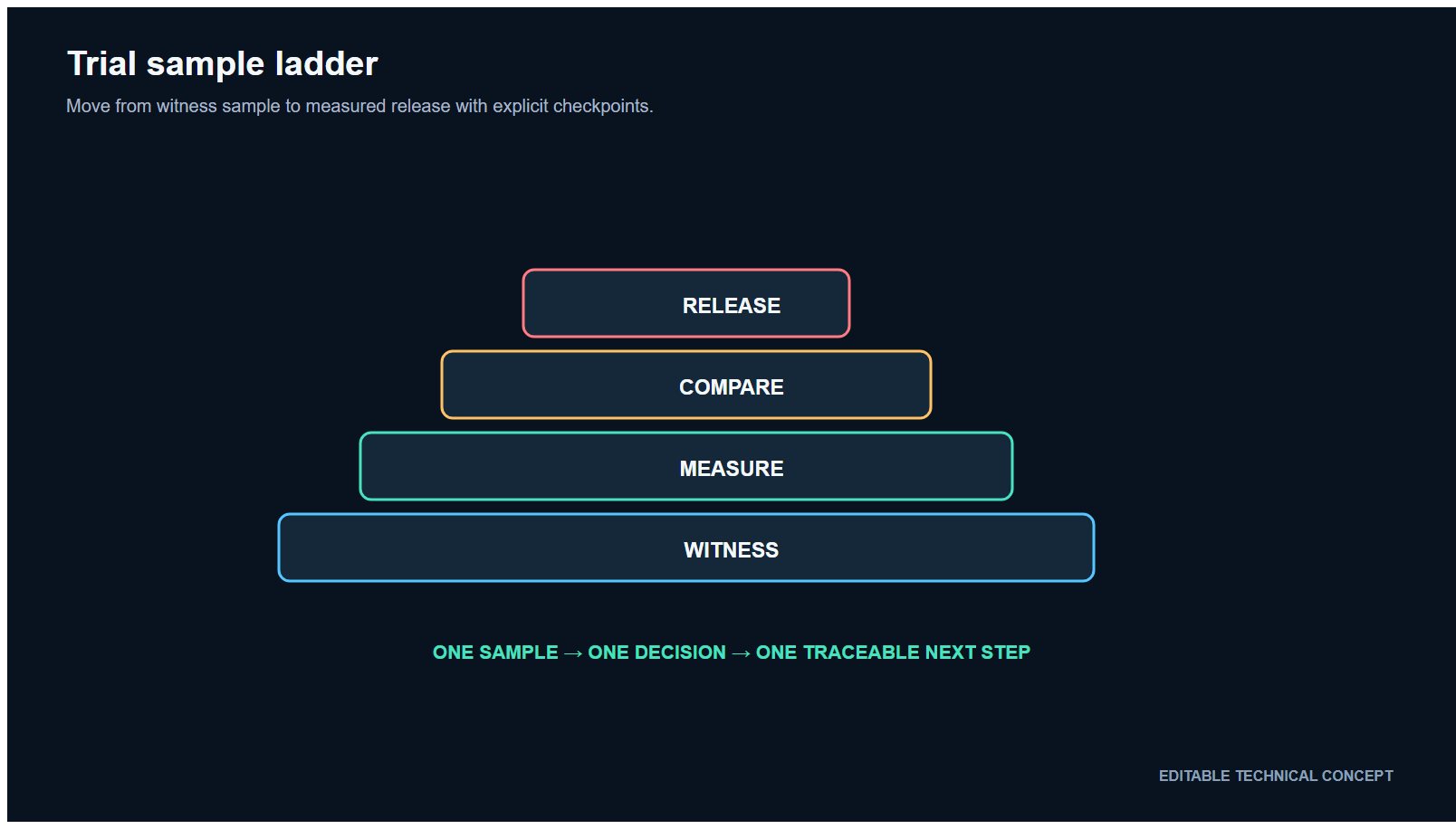
Cycle time is accumulated exposure under a defined process condition. If frequency, amplitude, media condition, load or liquid control changes, the meaning of the same elapsed time changes too. Extending a cycle may increase edge or surface change, but it can also increase wear, contact marks, residue risk or variation. The correct stopping point must be tied to inspection evidence.
Do not copy settings between machines or part families without validation. Machine construction, bowl or tub behavior, load and media condition can change the result even when the control labels appear similar.
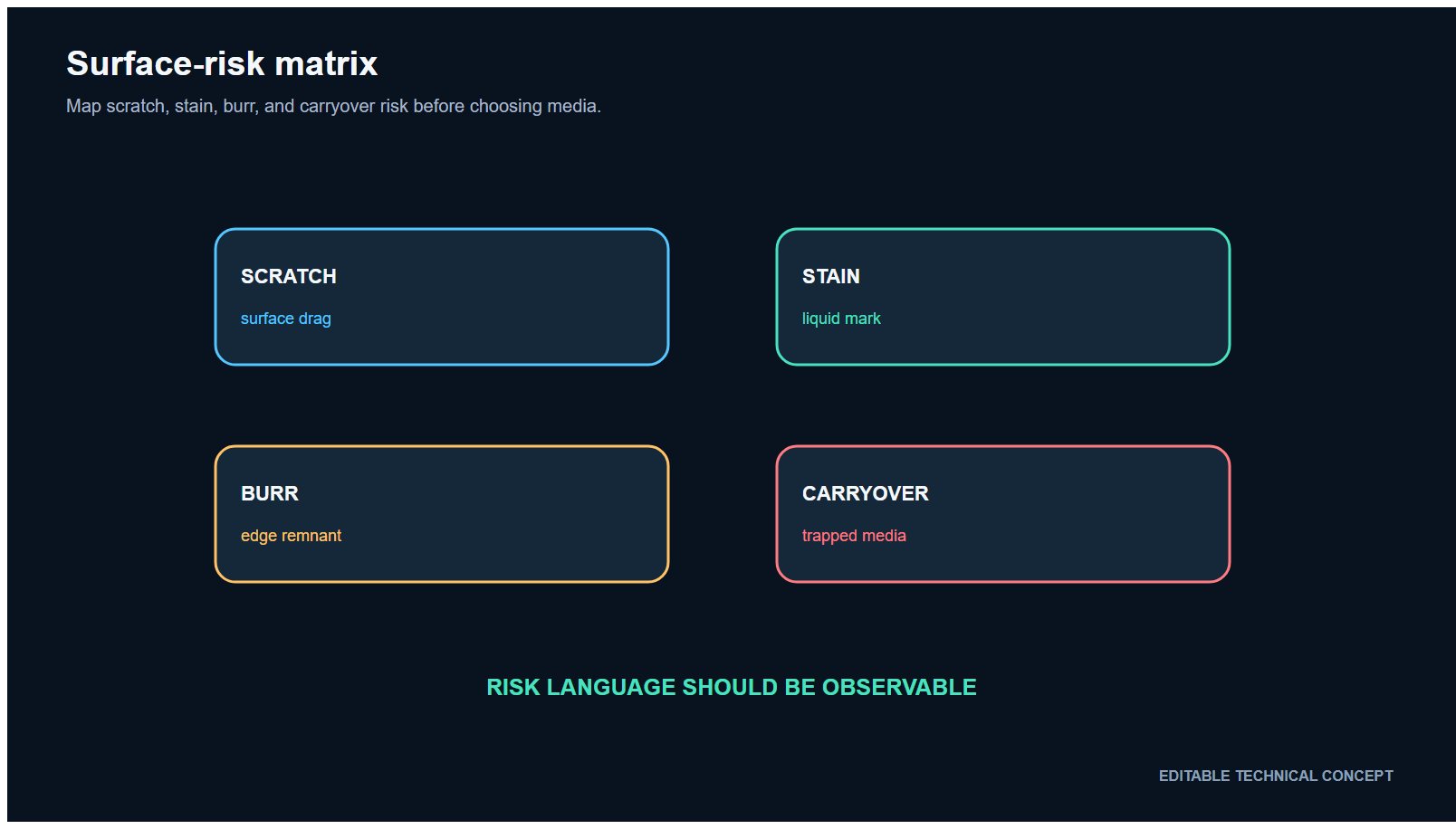
A useful trial record identifies the machine, part lot, incoming condition, media identity and wear state, compound and water condition, load, frequency/amplitude controls, elapsed checkpoints, separation method and inspection results. Photographs should show the same feature and lighting where practical. If surface roughness or edge change matters, define the measurement location and method before the comparison.
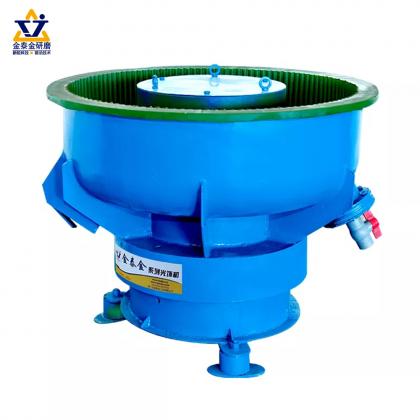
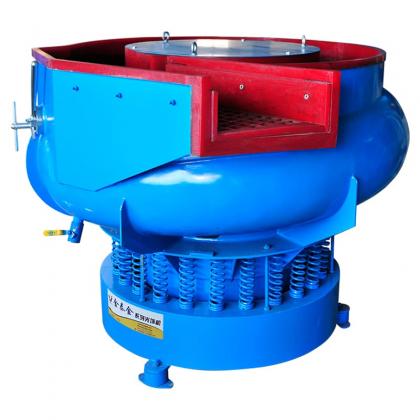
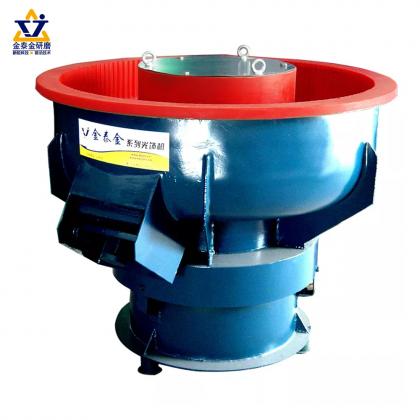
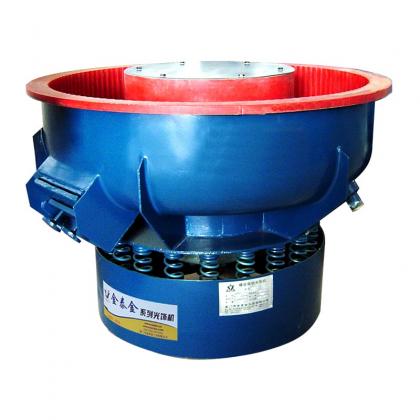
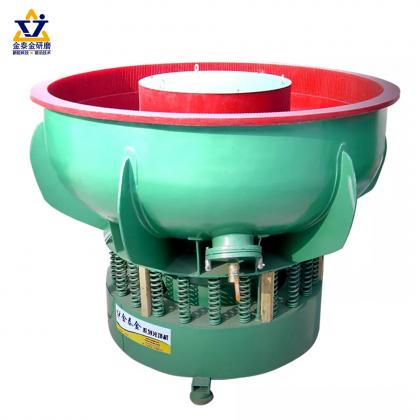
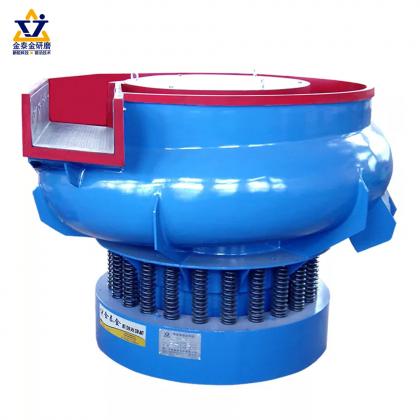
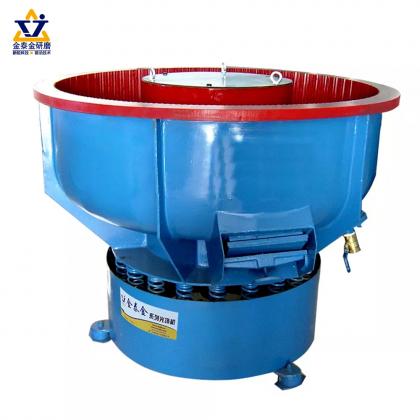
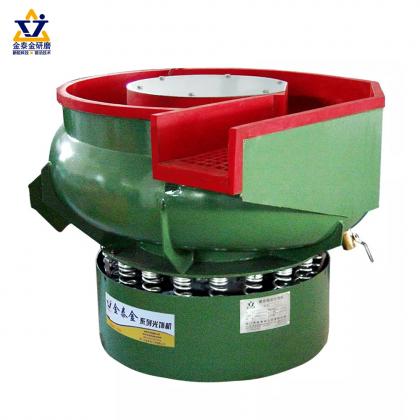
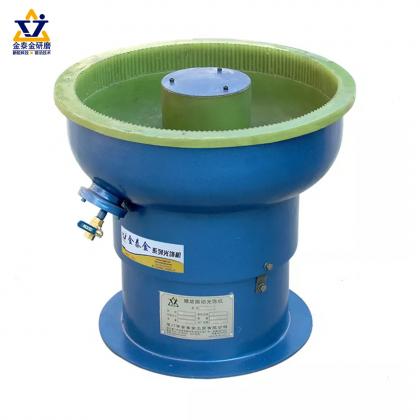
For machine-family orientation, review the vibratory finishing machine category; final settings still require a controlled part trial.
No. Results depend on the complete media, part, load, liquid and machine-motion system. A setting that disrupts circulation or increases damage is not an improvement.
Material is only one input. Geometry, protected surfaces, media, load and machine behavior also matter, so the setting must be validated through a bounded trial.
Not automatically. First confirm that the media reaches the feature and that circulation, media condition and process chemistry are suitable. More time cannot correct every access or process problem.
Keep the part lot, media, load, compound condition and inspection method stable while changing one control at a time.
Send SurfacePolish part drawings or photos, material, incoming defect, protected dimensions, batch condition and inspection method. We can structure a trial record for machine motion and timed checkpoints without inventing a universal frequency, amplitude or cycle-time recipe.
Email : info@surface-polish.com


 IPv6 network supported


 +86-592-2381506