


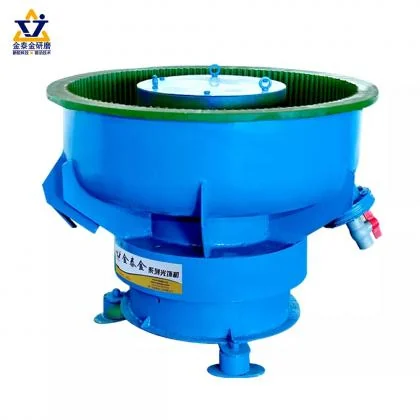
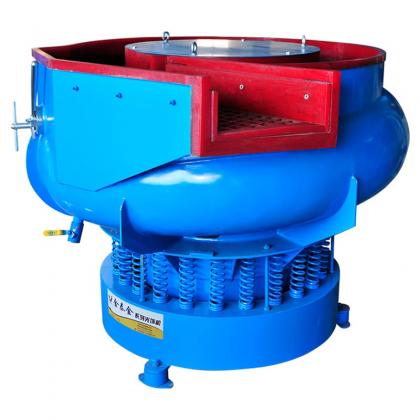
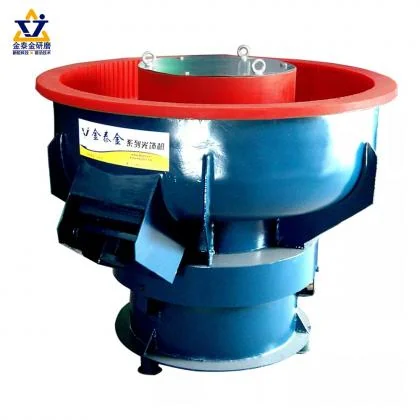
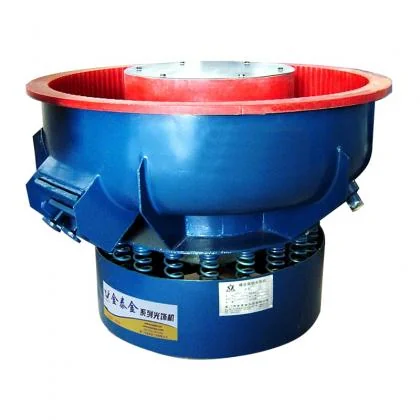
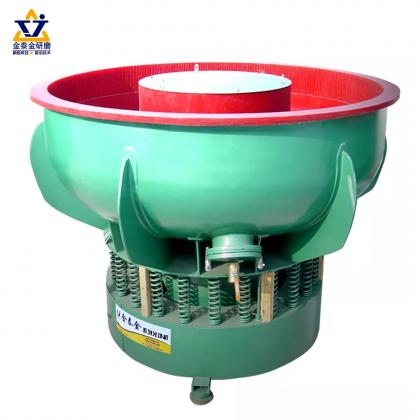

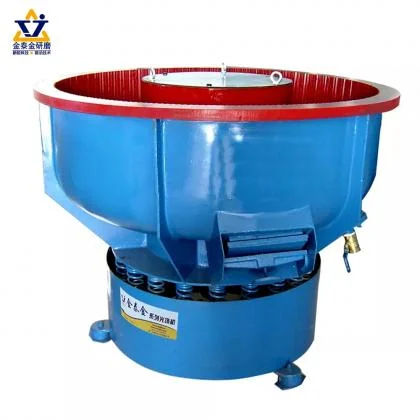
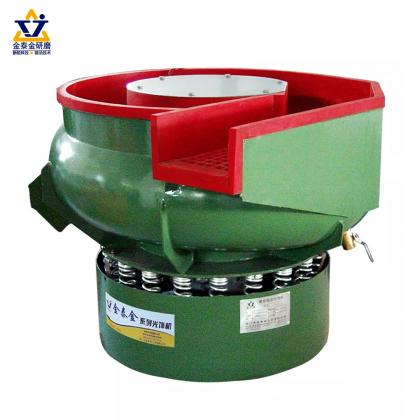
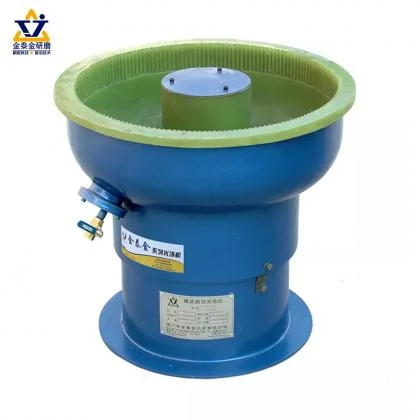
The source record states that castings made from steel, cast iron, aluminum, zinc, magnesium or plastic can have demanding surface-treatment requirements. It also states that the correct equipment depends on the production method, component process, type, quantity and size. This page keeps those facts and adds an evidence-led inquiry structure.
Classify the incoming casting
Describe the casting method, material, size, weight and incoming condition. Sand-falling, descaling, flash or burr removal, cleaning and edge conditioning can create different process goals. Show the gates, parting lines, fragile sections, holes and protected faces so the process can be screened against the real geometry.
Choose the process direction
Vibration and barrel equipment are named in the source record as options for foundry surface finishing. The final direction depends on part contact, circulation, media access, batch quantity, separation and inspection. A machine category should be treated as a starting point until representative castings have been tested.
Control media and inspection
Media shape and size affect access to recesses and the risk of trapping. Loading and separation should be recorded, especially for parts with cavities. Inspection should cover burrs, flash, edges, residue and any surface that is later machined, coated or assembled.
Use the source images correctly
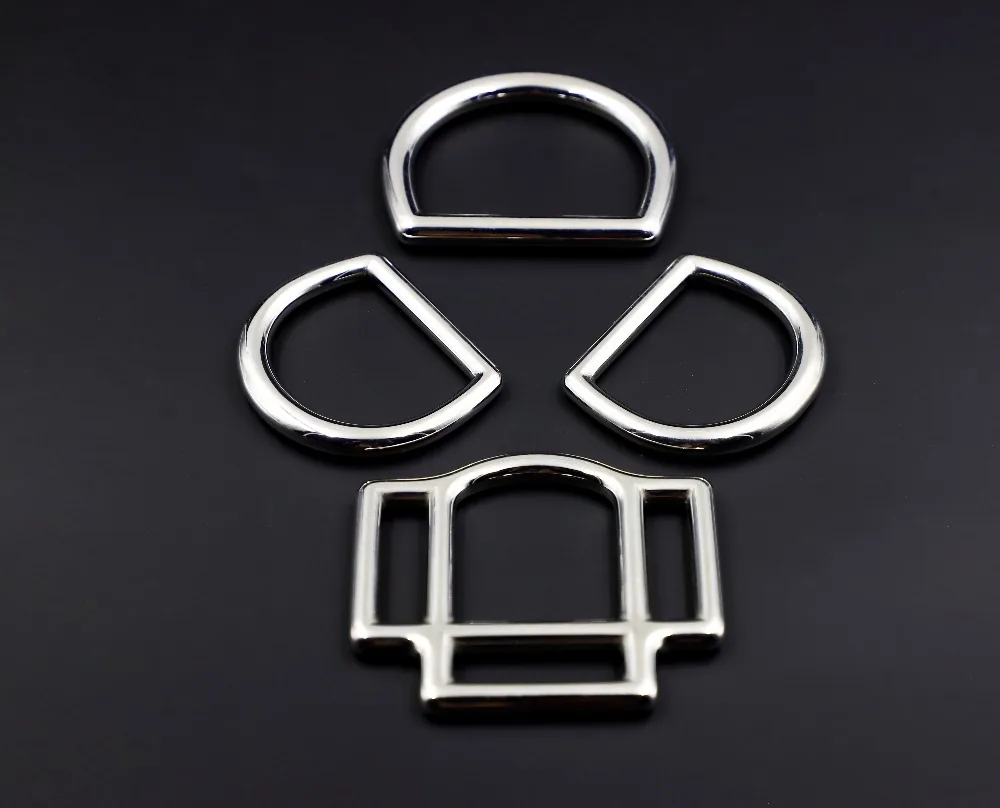
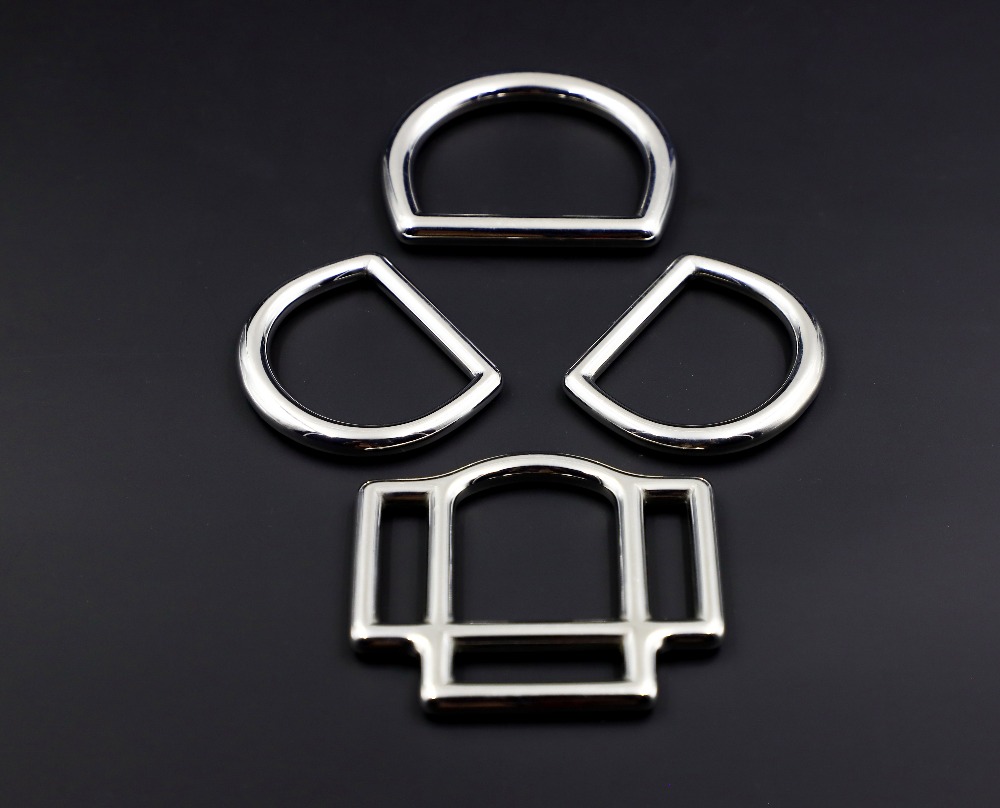
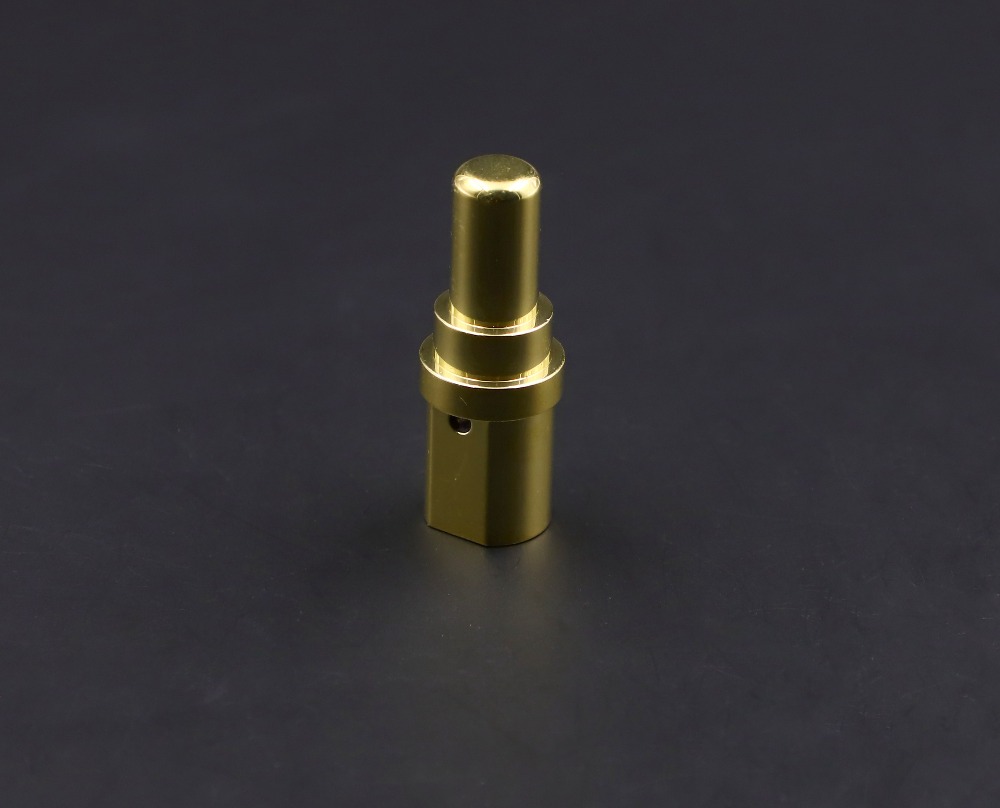
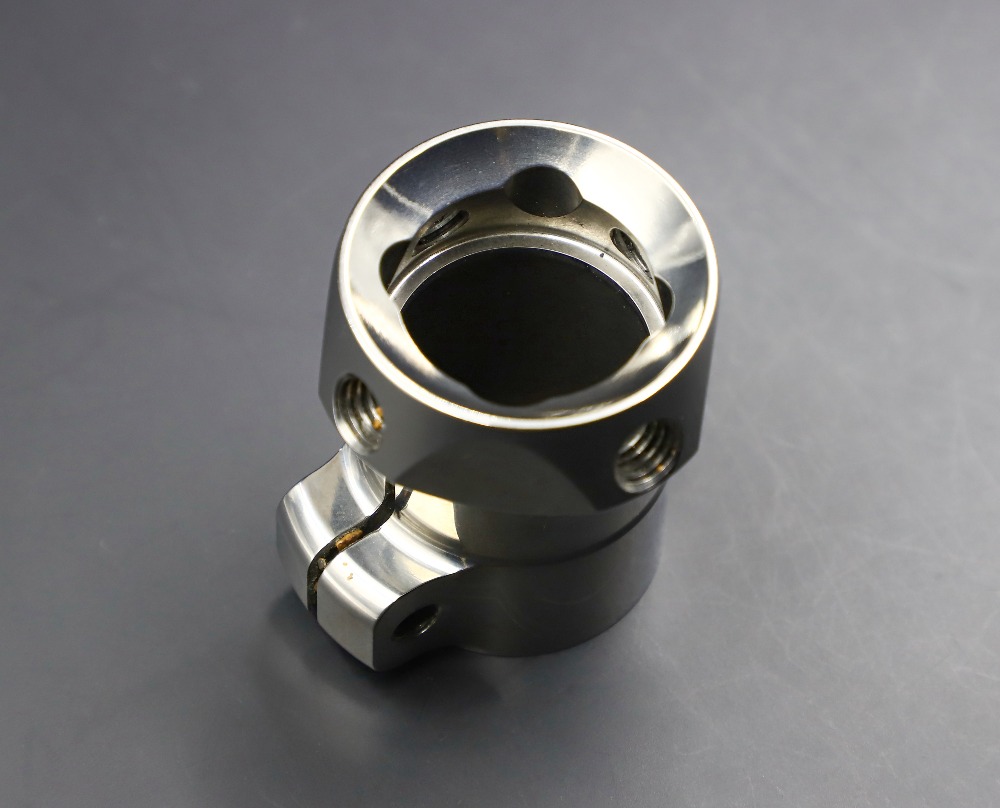
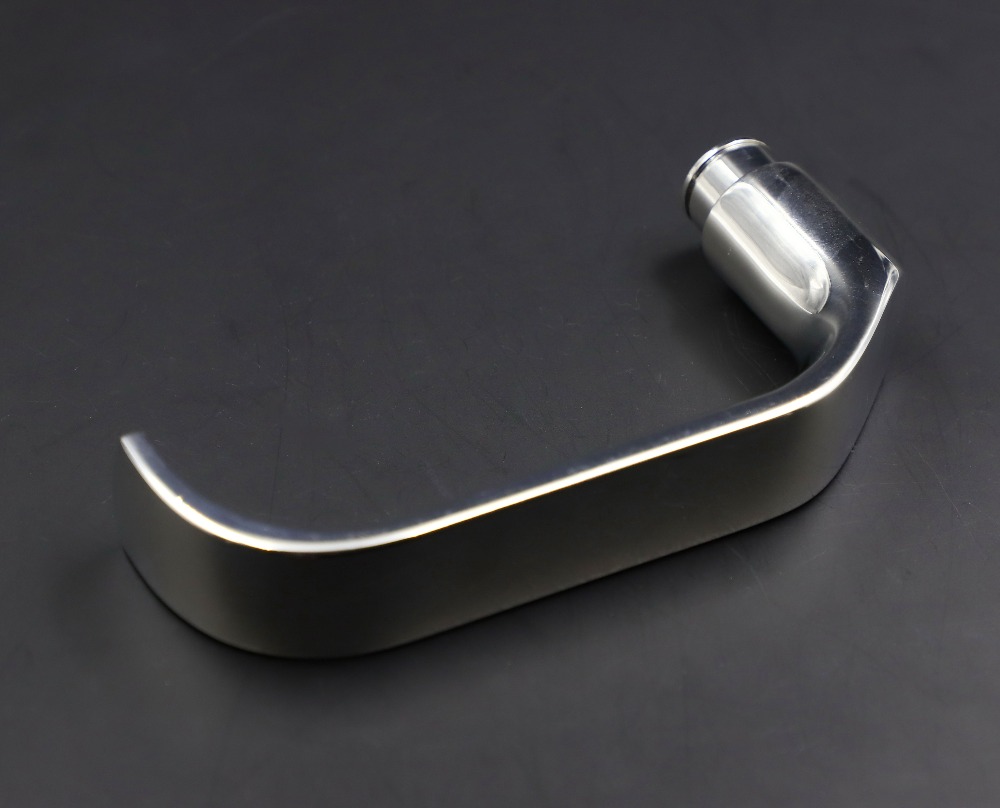
The archive preserves four foundry-related images. They can illustrate the equipment or part family shown in the source record. They should not be labelled as a customer case, a guaranteed result or a measured before-and-after comparison unless supporting evidence is added.
What to submit
- Material, casting method and part drawing
- Photos of incoming defects and protected areas
- Batch quantity and handling limits
- Target finish, inspection method and downstream operation
Next step
Send the casting details so the team can identify the most useful trial question.
Request a free sample test
Send the workpiece information needed for a practical review.
| Casting condition | Suggested starting point | Reason |
|---|---|---|
| Sand residue on the surface | Cleaning stage before finishing | Residue loads the media and dulls the action |
| Flash and parting-line step | Controlled cutting stage | A polishing stage rounds edges before the step is level |
| As-cast skin that must stay | Check what the part is allowed to lose | Removing the skin changes the part, not just its look |
| Large or heavy casting | Tub process or a method that suits the size | Bowl machines suit smaller, lighter parts |
| Mixed batch of castings | Separate by size | Large castings shield small ones from the media |
| Porous surface areas | Gentle cycle, check for media lodging | Media and compound can lodge in surface porosity |
Directions to test on a representative sample, not validated results for a specific component.
What is different about a casting
A casting arrives at the finishing stage with problems that a machined part does not have. The surface carries sand residue and mould material, the parting line leaves a step, and the as-cast skin has a texture and a hardness that differ from the material underneath. Each of these changes what the finishing process has to do.
Sand residue is the first issue, and it is a cleaning problem rather than a finishing one. Residue loads the media charge and dulls its action, so a casting that goes into a finishing stage without being cleaned will produce a weaker result than the same casting cleaned first — and the media will need attention sooner. Cleaning is therefore the first stage, not an optional preparation.
The parting line is the second issue. It is a step, not a burr, and removing it is a cutting operation. Running it as a polishing operation does not remove the step any faster; it rounds the surrounding edges while the step is still there. Treating the two as separate operations is the difference between a casting that meets its surface requirement and one that has rounded edges and a visible line.
Size, weight and porosity
Foundry components tend to be large and heavy relative to other work, which narrows the choice of process. A processor's chamber has to be able to carry the part and let the charge move around it, and a heavy casting in a chamber with lighter parts will damage them rather than being finished alongside them. Separating castings by size is usually necessary.
Porosity is the feature that is easy to overlook. A cast surface often has small voids, and media and compound can lodge in them. Rinsing that does not reach into porosity leaves residue that shows up later as a finishing defect. Where a casting is porous, the rinse stage deserves the same attention as the finishing stage.
 +86-592-2381506


 IPv6 network supported
