By Max, Technical Engineer at Jintaijin Polishing Technology Co., Ltd.
As a technical engineer at Jintaijin Polishing Technology Co., Ltd., I am dedicated to advancing the field of surface polishing and grinding technology. Today, I am excited to share a technical case study involving one of our South American clients, who sought our assistance in refining the surface of their brass products.
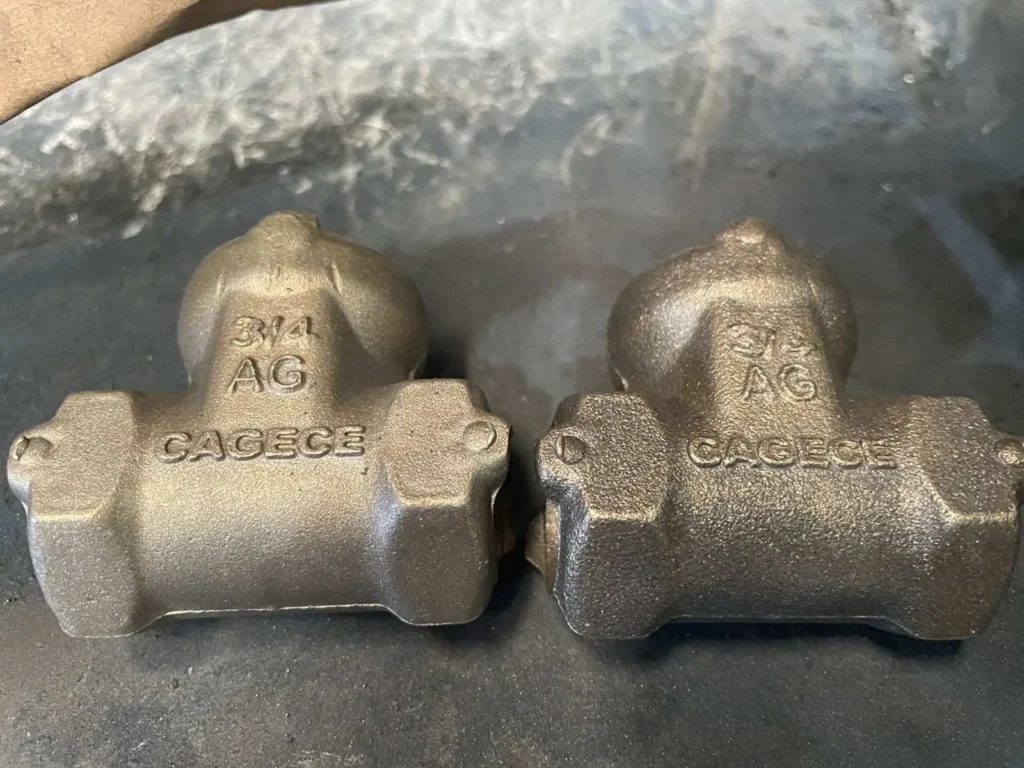
Our client was facing challenges with the rough surface of their forged brass pipes. They needed a solution to achieve a bright, smooth finish without compromising the integrity of the engraved text on the products. The solution we provided involved the exclusive use of our automated polishing technology, eliminating the need for manual polishing.
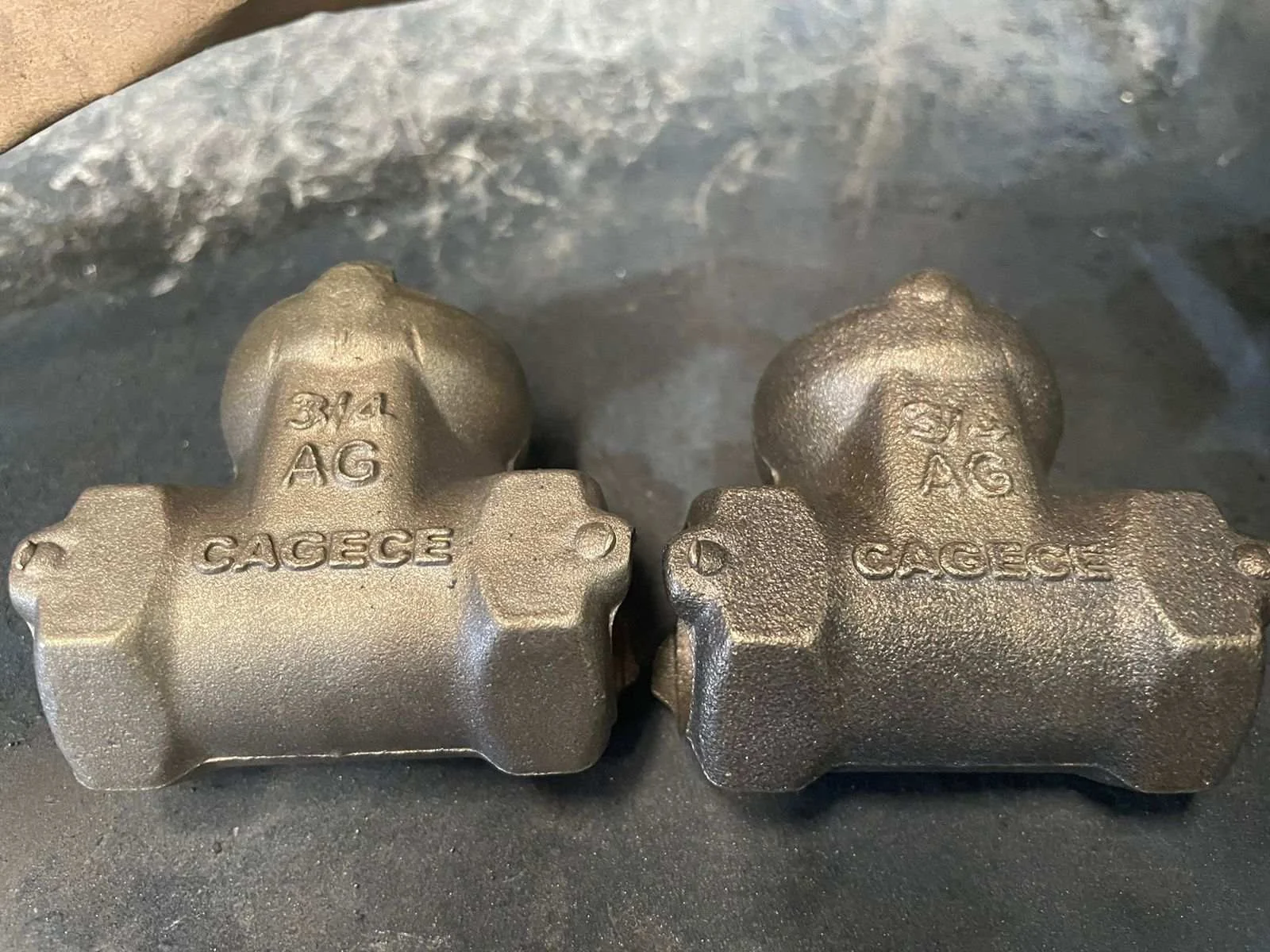
- We used a strong cutting force abrasive material, specifically No. 15 plant-based abrasive media, to perform the initial rough polishing. This step was crucial in removing the majority of the surface irregularities and preparing the product for finer polishing.
- During this stage, we added our proprietary Jintaijin polishing paste to lubricate the process, ensuring a smooth and consistent finish.
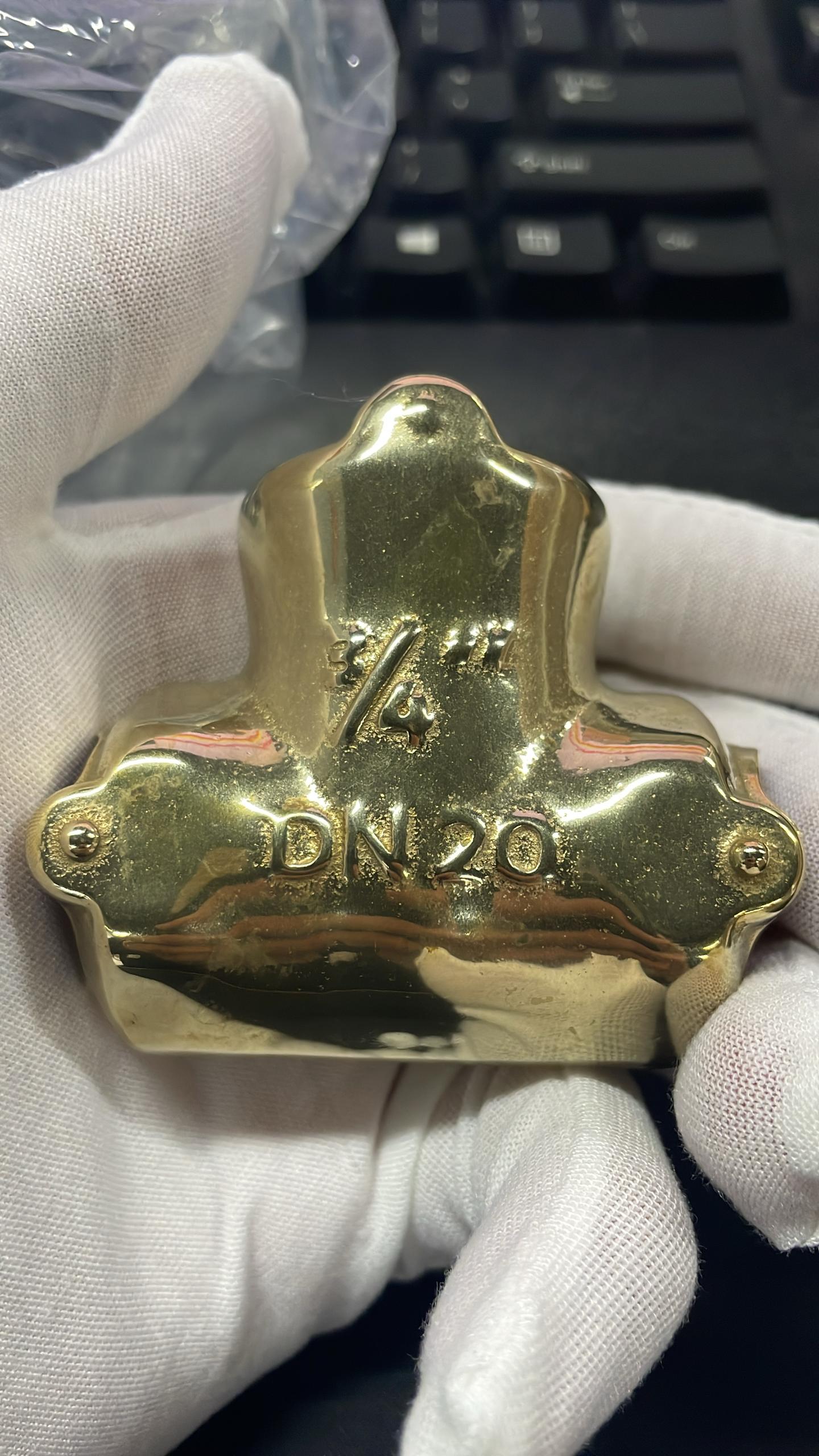
- Following the initial rough polishing, we transitioned to finer abrasives, using No. 10 and No. 8 plant-based media. These abrasives further refined the surface, enhancing the brightness and smoothness of the brass pipes.
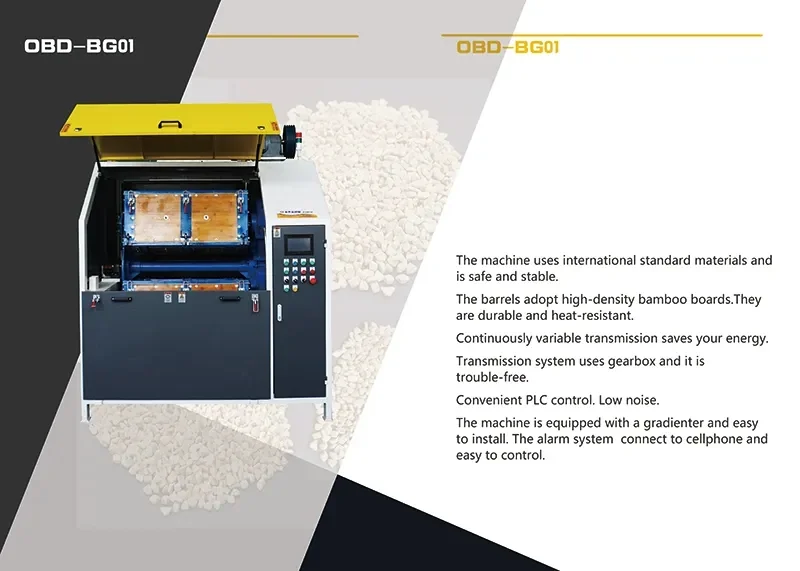
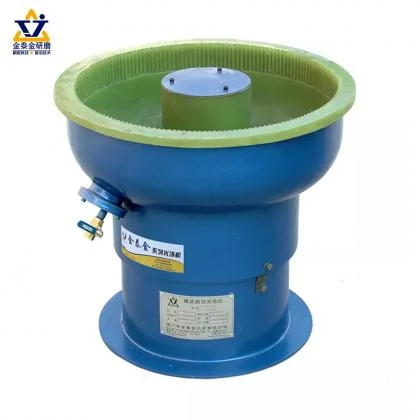
- The automated nature of the OBD-BG01 machine allowed for precise control and consistency throughout the polishing stages, ensuring an even finish across all products.
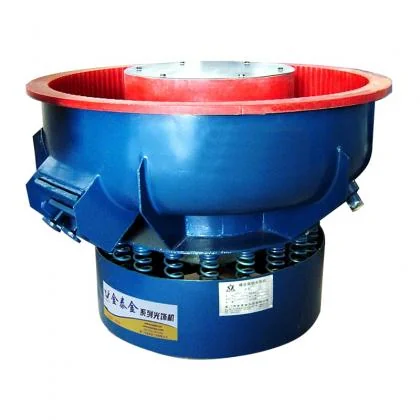
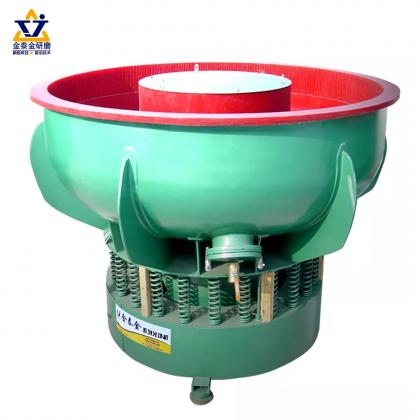
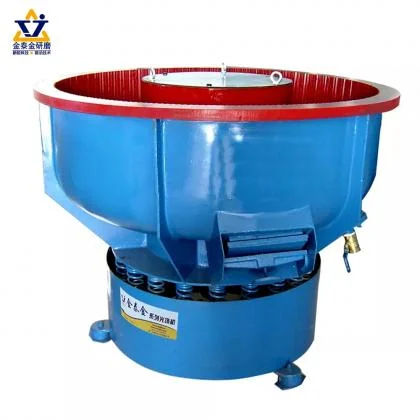
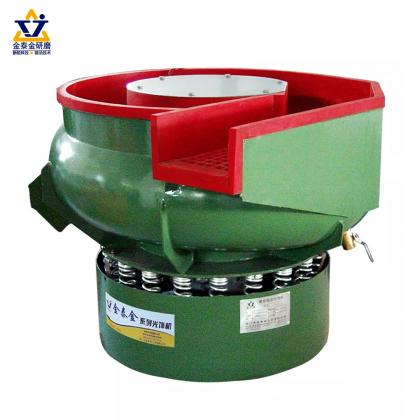
The OBD-BG01 high-speed rotary grinding machine proved to be the ideal solution for our client's needs due to several key advantages:
- Efficiency and Speed: The automated process significantly reduces polishing time compared to manual methods, allowing for higher production rates.
- Environmental Benefits: The machine operates with minimal environmental impact, reducing waste and the need for hazardous chemicals.
- Precision and Consistency: The machine ensures uniform polishing, maintaining the integrity of engraved text and intricate details on the brass products.
- Versatility: The OBD-BG01 can effectively polish both the external and internal surfaces of products, including irregular and uneven areas.
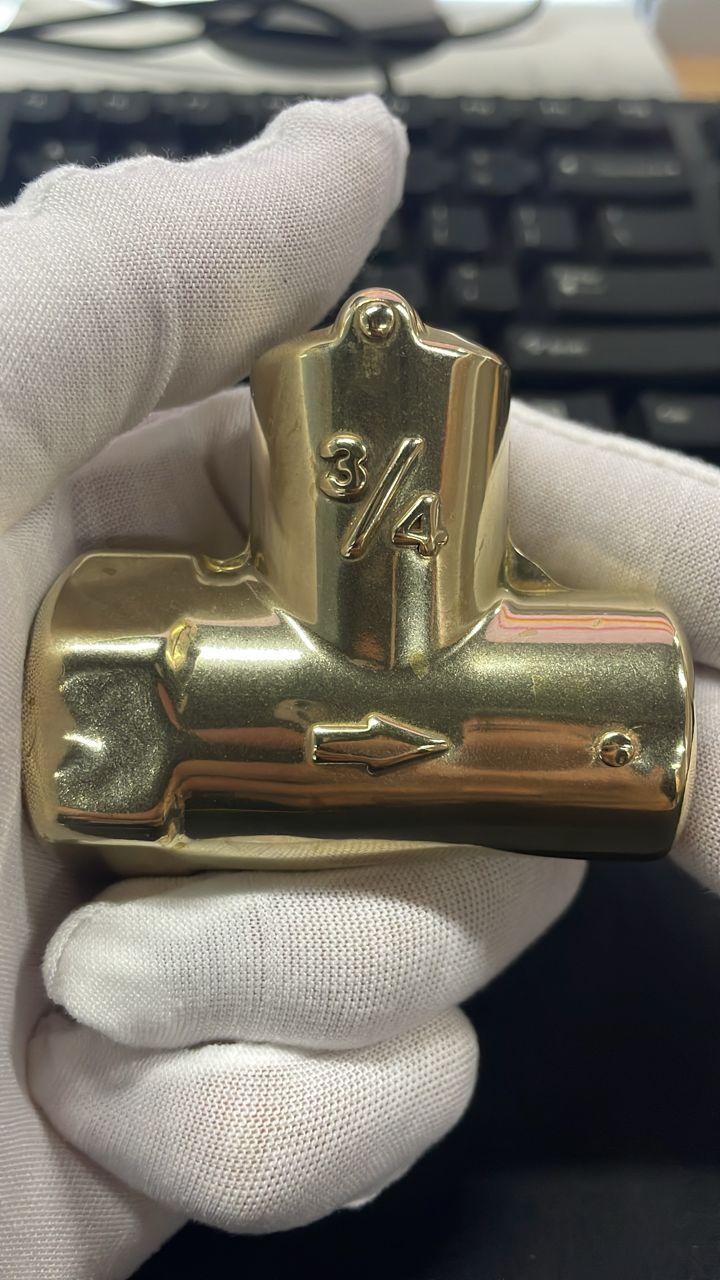
The implementation of our automated polishing technology not only met but exceeded our client's expectations. By utilizing the OBD-BG01 machine, we achieved a smooth, bright finish on their brass pipes without damaging the engraved text. This case highlights the importance of advanced polishing solutions in modern manufacturing, demonstrating how technology can enhance product quality and production efficiency.
At Jintaijin Polishing Technology Co., Ltd., we are committed to providing innovative solutions that meet the diverse needs of our clients. Our dedication to excellence and continuous improvement drives us to push the boundaries of surface polishing technology.
| Brass condition | Consideration | Starting direction |
|---|---|---|
| Soft material marks easily | Brass takes marks from heavy media | Lighter media and a lower load |
| Tarnish or oxidation present | Polishing over oxidation traps it | Remove it in an earlier stage |
| Bright decorative finish | Brass responds well to a final gentle stage | Stage the grades progressively |
| Threaded or sealing surfaces | Geometry must survive the process | Media sized below the thread form |
| Mixed brass parts in one batch | Different sizes shield each other | Separate by size |
| Tarnish after processing | Polished brass marks in handling | Consider handling and storage after drying |
Directions to test on a representative sample, not validated results for a specific component.
Brass is a soft alloy, and most of the difficulty in finishing it follows from that. It takes marks from media that would leave steel untouched, it loses edge detail quickly, and a flat decorative surface shows even slight variation across a batch.
The practical response is to reduce energy rather than to increase time. Lighter media and a lower load keep the mechanical contact within what the material tolerates, and a shorter cycle limits how much the part changes. Where the surface is not bright enough, the more productive questions are whether the media grade suits the material and whether the process has enough stages — not whether the cycle should be longer.
Threaded and sealing surfaces on brass fittings need particular attention. On a valve or fitting, the thread and the sealing face are the functional geometry, and they are exactly the areas where a media charge produces its largest effect. Media size is set below the thread form, and the result on the threads is checked rather than assumed.
Brass tarnishes, and older parts usually arrive with an oxide layer already present. Working a finishing stage over tarnish tends to push it into the surface rather than remove it, so removing the oxide in an earlier stage keeps the finishing stage working on metal.
After processing, the freshly exposed surface begins to react again. How the parts are handled and stored after drying is part of keeping the result, and it matters more on brass than on stainless because brass has no passive layer to slow the reaction down.
Email : info@surface-polish.com


 IPv6 network supported



 +86-592-2381506
